
Arudra Darshan 2026 : Date, Time, Puja Vidhi, Significance & Benefits

 Home
Home DKSCORE AI
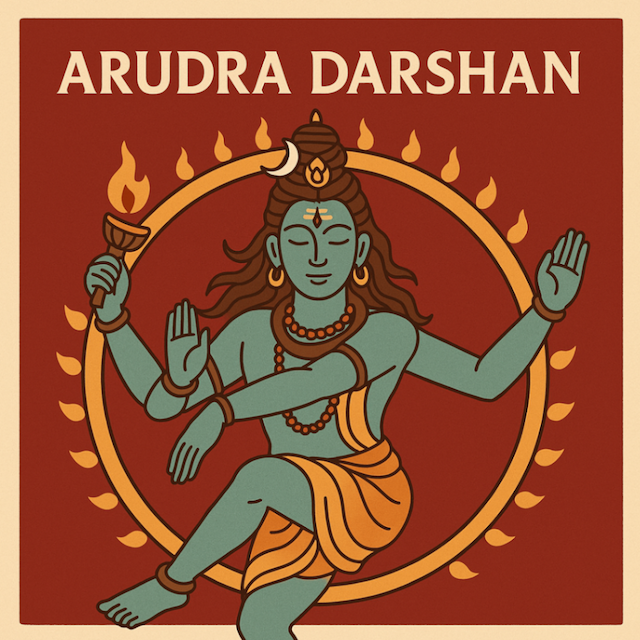 Arudra Darshan 2026
Arudra Darshan marks the divine cosmic dance of Lord Shiva as Nataraja, symbolizing creation, preservation, and destruction. Devotees observe rituals, abhishekam, and special temple ceremonies seeking spiritual cleansing and inner transformation.
festival
Arudra Darshan 2026
religion
Hinduism
Date
03-01-2026
day
Saturday
Muhurat time
02:30 AM 02 Jan – 10:57 PM 03 Jan
Duration
--
 Festival Date
03 Jan, 2026
Arudra Darshan
 Today Date
30 Jan, 2026
Arudra Darshan
Time Remaining
Why we Celebrate Arudra Darshan ?
Occurs when the Moon aligns with Ardra Nakshatra, signifying cosmic dissolution and renewal energies.
Important Days
Meditation and Mantras
Arudra Darshan 2026 : Date, Muhurat, Puja Vidhi and Importance
Significance of Arudra Darshan 2026
Arudra Darshan honors Lord Nataraja, the cosmic dancer 🕉️✨. It arrives when Ardra Nakshatra shines in Margazhi, marking a powerful moment of rhythm in the universe. The day symbolizes creation, preservation, and destruction as a divine dance. Devotees seek purification, spiritual renewal, and blessings for prosperity and peace 🙏🌙.
Arudra Darshan 2026 Date, Muhurat and Timing
| Title | Corresponding values |
|---|---|
| Tithi | Ardra Nakshatra day during Margazhi |
| Nakshatra | Ardra |
| Sunrise | 07:15 IST |
| Sunset | 17:25 IST |
| 6:45 PM – 7:45 PM | |
| Date | January 8, 2026 |
Traditions & Rituals of Arudra Darshan 2026
- Head to the temple for darshan of Lord Nataraja and offer a simple abhishekam with water, milk, or honey 🕯️🥛.
- Light a ghee lamp and incense around the idol to invite pure energy and focus 🔥🪔.
- Offer flowers, fruits, milk, and coconuts as prasad to seek blessings ✨🌺.
- Chant prayers like Om Namah Shivaya and verses dedicated to Nataraja to center the mind 🗣️🙏.
Remedies to Perform on Arudra Darshan 2026
- Light a ghee lamp before the Nataraja idol.
Benefit: Purifies the space and attracts positive energy. - Recite Om Natarajaya Namah at dawn for 5 minutes.
Benefit: Focused mind and graceful protection from negativities. - Donate a small amount to charity after Puja.
Benefit: Cultivates generosity and good karma.
Mantras & Chants on Arudra Darshan 2026
- Om Natarajaya Namah.
Significance: Invokes Lord Nataraja’s grace and inner balance. - Om Namah Shivaya.
Significance: Purifies the mind and harmonizes body and breath.
Fasting Rules & Food Guidelines on Arudra Darshan 2026
- Observe a light fast or a partial fast from grains and salt; dairy and fruits are allowed.
- Opt for sattvic foods: fresh fruits, milk, coconut water, and steamed vegetables.
- Avoid onions, garlic, meat, and heavy oils; break the fast with a simple, gentle meal after Puja.
Dos and Don’ts on Arudra Darshan 2026
Dos
- Visit temples with reverence and maintain cleanliness around the deity.
- Offer a simple abhishekam, aarti, and namaskars with devotion.
- Speak softly and practice gratitude; keep the surroundings peaceful.
Don’ts
- Don’t rush prayers or crowd the sanctum; give others space for darshan.
- Don’t litter temple premises or misuse water resources.
- Don’t consume meat, alcohol, or onion and garlic on this day (if following strict vrat rules).
Charity and Donations
Joy Stories Foundations
Joy Story Foundation is a section-8, non-profit organization founded in November 2019, registered with Ministry of Corporate Affairs, Government of India. It aspires to build stories around “Joy for Everyone” by practicing the values of collective philanthropy and by maintaining utmost transparency in order to achieve it. Our vision is to ensure that we do our bit to free the world of gloom, sorrow, deprivation, pessimism, and pain by inducing small positive moments to bring joy in the world. And we would go to any extent to achieve that, irrespective of geographical boundaries, religion, age, color or need. Our giving would be completely unbiased, non- religious and non-political.
 Donation Links
https://joystoryfoundation.org/Upcoming Festivals

Gandhi Punyatithi 2026
Gandhi Punyatithi, also known as Martyrs' Day, marks the assassination anniversary of Mahatma Gandhi… Read more

Shukra Pradosha Vrat 2026
Shukra Pradosha Vrat is a sacred Friday fast dedicated to Shiva, performed during the twilight perio… Read more

Kumbha Sankranti 2026
Kumbha Sankranti is an important day in the Hindu calendar when the Sun enters the Aquarius sign, ma… Read more

Valentines Day 2026
Valentine's Day is a day dedicated to celebrating love and affection between intimate partners. It i… Read more

Maha Shivaratri 2026
Night dedicated to Lord Shiva
Related Video
Have doubts and need help?
Check out our Frequently Asked Questions to find the answers. But hey, if your doubts still persist, we are only a demo call away!
Frequently Asked Questions
Do's: - Arrive early and follow temple crowd management directions. - Dress modestly (shoulders and knees covered). - Remove footwear before entering temple premises and keep the footwear in designated areas. - Keep mobile phones on silent; avoid loud conversations and photography in restricted zones. - Carry only essential items; avoid large bags and valuables. - Follow all announcements and temple staff instructions during darshan. Don'ts: - Do not smoke or consume alcohol on temple grounds. - Do not bring outside food, drinks, or plastic items into most temple precincts. - Do not litter; use designated bins. - Do not push or shove; maintain orderly queues. - Do not wear heavy jewelry or attire that may obstruct movement during darshan. - If unwell, postpone visit and seek medical attention if needed.
Arudra Darshan 2026 is observed on the Margazhi full moon day (Arudra Nakshatra) when devotees perform special prayers to Lord Nataraja/Shiva. Remedies or upayas commonly followed include taking an early purifying bath, wearing clean clothes, performing abhishekam or symbolic ablutions to the Shivalinga or a home Nataraja idol with milk, water, honey or other sacred liquids as permitted by the temple; reciting Shiva and Arudra stotras and chanting Om Namah Shivaya; conducting a simple home puja with lamp, incense and prasad; donating dana to temples or the needy and engaging in seva within one's capacity; and observing a vegetarian diet or fasting on the day and during the Margazhi season to cultivate discipline. Benefits attributed to keeping these observances include purification of the mind and heart, removal of negative influences and obstacles, fulfillment of wishes related to health, family, prosperity and harmony, spiritual growth, stronger devotion, inner peace, and divine protection. Always follow local temple guidelines and seek guidance from a priest for specific rituals.
Arudra Darshan, also known as Arudra Darisanam, is a Hindu festival dedicated to Lord Shiva in the form of Nataraja (the cosmic dancer). It is observed on the full moon night in the Margazhi month when the Arudra star (the star in Orion) is prominent. The celebration honors Shiva's cosmic dance that represents the creation, preservation, and destruction of the universe, as well as the balance of cosmic energies. Devotees attend temple rituals, processions, and special prayers to seek spiritual purification, blessings, and auspicious beginnings in the new year. In 2026, as in other years, the festival is marked by these traditional observances at Shiva temples, especially those dedicated to Nataraja.

 Download App