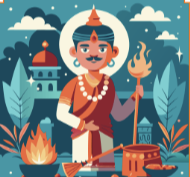
Bhogi Pandigai marks the opening day of Pongal celebrations, a beloved festival across Tamil Nadu and other parts of South India. It is a day dedicated to purification, renewal, and warm communal gathering. In 2026, the festival invites households to reflect on clutter, embrace sustainable living, and welcome new energy through fire, family, and food.
Understanding the Significance of festival Bhogi Pandigai 2026
Bhogi Pandigai is more than a holiday on the calendar; it is a cultural ritual that unites households in a shared practice of letting go of the past to make way for the future. The word “Bhogi” itself is tied to the fire ritual that signals purification. Homes are scrubbed clean, doorsteps are decorated with mango leaves, and colorful rangolis (kolam) adorn the courtyards. The day is a preface to Tamil harvest celebrations and the broader Pongal festival, emphasizing gratitude for harvests, prosperity, and familial harmony.
Key aspects of the festival’s significance include the following:
- Purification and renewal: Old possessions, worries, and negative energies are symbolically burned in the bhogi fire, creating space for fresh starts.
- Community and sharing: Bhogi is a social occasion where neighbors exchange greetings, share sweets, and participate in collective rituals such as the bhogi bonfire and community meals.
- Auspicious beginnings: The festival aligns with seasonal transitions, the harvest, and the movement of the sun into a new solar segment, signaling a time for new goals and projects.
- Spiritual focus on fire as purifier: Agni, the fire deity, is honored for cleansing the home and heart, making Bhogi an essential prelude to the more agriculturally focused Pongal celebrations.
Understanding Bhogi’s significance helps participants approach the day with intention. It is common to reflect on personal clutter—physical, emotional, and digital—and to decide on practical steps to reduce waste, conserve resources, and help others who are in need. In 2026, this spirit of renewal can be harmonized with modern sustainability practices while preserving the rites that have been handed down through generations.
Bhogi Pandigai 2026 Date and Timing
In 2026, Bhogi Pandigai is observed as the first day of the Tamil month Thai, typically falling on January 14. Regional calendars sometimes announce a one-day variance depending on local astronomical calculations, temple schedules, and cultural customs. It is prudent to consult local almanacs or temple notices for the exact date in a given year and locale.
Timing for Bhogi Pandigai is anchored in the early hours of the day. Common practice includes the following:
- Dawn rituals: Cleaning the home, drawing kolams, lighting small lamps, and preparing a simple sacred space before dawn.
- Fire ceremony (Bhogi fire): The central ritual typically happens in the late morning when families gather to light the bhogi bonfire, symbolically burning old belongings and releasing negative energy.
- Pongal cooking in auspicious hours: The preparation of harvested rice and other festive dishes often begins after the bhogi fire and continues through the day, with timing varying by family and region.
- Temple timings and cultural programs: Temples may host special bhajans, processions, and cultural programs during the day, especially in Tamil Nadu and adjoining regions.
Because the exact muhurat (auspicious time) can differ by location, families often rely on their family priest or local astrologers to choose the most favorable times for rituals, cooking, and gifting. Even when times vary, the spirit remains the same: a joyful and conscientious start to the year’s harvest cycle.
Pro tip: If you’re planning an in-depth Bhogi celebration, prepare a rough schedule a week in advance, keeping in mind school and work commitments, so you can participate fully in both the quiet rituals and the communal bonfires.
Mythological Stories Behind Bhogi Pandigai 2026
Mythology attached to Bhogi Pandigai centers on purification, renewal, and gratitude to the divine for a bountiful harvest. While there are multiple regional legends, several core narratives are widely shared across communities:
- Agni and the cleansing fire: Bhogi is closely associated with Agni, the fire god. The bhogi fire is believed to carry away impurities and negativity from the previous year, inviting new energy and blessings for the upcoming months.
- Acknowledgment of the harvest: The day begins the Pongal season, when farmers express gratitude to the Sun, the rain, and the earth for a successful harvest. The burning of redundant items symbolizes making space for growth and abundance.
- Departures and new beginnings: The ritual of discarding worn items mirrors the mythical removal of obstacles from life, enabling individuals and families to step into a fresh cycle with clarity and optimism.
- Regional lore and variations: In some communities, Bhogi is tied to stories of family ancestors or local deities. While the origin narratives may differ, the central themes of purification, gratitude, and renewal remain consistent.
For families with a strong storytelling tradition, Bhogi night can be an opportunity to recount local legends, sing folk songs, and recount personal memories of growth and resilience. These narratives help younger generations connect emotionally with the festival’s deeper meanings beyond the surface rituals.
Note: Mythology can be highly regional. If you want to capture local flavors for a festival details page, include a sidebar that highlights temple-specific legends and family customs in your area. This adds authenticity and inclusivity for readers from diverse backgrounds.
Vedic Astrology and Bhogi Pandigai 2026
Vedic astrology offers a framework to interpret the festival within the larger cosmic pattern. Bhogi Pandigai falls at a time when the Sun’s journey begins to point toward Uttaraayana—the northern movement—marking a season of new beginnings and longer daylight. This seasonal shift is considered auspicious for letting go of the past and initiating new projects, plans, and relationships.
Important astrological themes relevant to Bhogi Pandigai 2026 include:
- Uttarayana and solar ingress: The Sun’s transition into a new zodiac during the Pongal window is associated with inner clarity and extended opportunities. This cosmic backdrop supports purification rituals and new-year intentions.
- Makara Sankranti alignment: In many traditions, Makara Sankranti (the Sun entering Makara/Capricorn) aligns with harvest abundance and spiritual discipline. Bhogi’s proximity to this solar event reinforces the idea of disciplined release and renewal.
- Mercury and Venus considerations: Personal and financial matters, family harmony, and communication can be influenced by the positions of Mercury and Venus around the festival days. Readers are encouraged to consider soft communications and generous acts during this time.
- Karma and renewal: The day invites reflection on karma—the results of past actions—and a conscious choice to begin anew with positive deeds and mindful consumption.
Astrological guidance is a tool, not a guarantee. For those who seek it, a simple approach is to consult a trusted astrologer for a personalized muhurat (auspicious moment) and to align major decisions with the day’s energies. Even without specific readings, the symbolic meaning of Bhogi—purification, renewal, and gratitude—aligns with universal human aspirations for growth and betterment.
Bhogi Pandigai 2026: Astrological Insights
This section builds on general Vedic astrology to offer practical, reader-friendly insights that can help families plan their celebrations and set intentions for the year ahead. The purpose is not to predict promising outcomes, but to foster mindful participation in the festival’s rituals.
- Auspicious times for rituals: Many households look for a calm, quiet dawn or early morning slot for cleaning the home, drawing kolam, and starting the bhogi ritual. A gentle, undistracted start supports focus on intention-setting rather than haste.
- Purification and consumption: Bhogi is an opportunity to consider mindful consumption. The astrological lens encourages letting go of excess and embracing sustainable choices—such as recycling, donating usable items, and reducing waste in the feast preparations.
- Harvest gratitude and nourishment: The Pongal dish itself—rice cooked with milk, jaggery, and spices—reflects generosity, abundance, and appreciation for farmers and the earth.
- Family harmony and communication: With the Sun’s upward journey, harmonious relationships within the home are favored. Use this time to repair misunderstandings, express gratitude, and plan collaborative family activities for the year ahead.
Practical takeaway: whether you follow astrology or simply enjoy the festival’s spirit, Bhogi Pandigai offers a structured moment in the year to align actions with values—simplicity, generosity, and renewal. Consider writing down three renewal goals and one charitable act you can accomplish in the month following Bhogi.
Rituals and Practices of Bhogi Pandigai 2026
Rituals form the heart of Bhogi Pandigai. They weave together household rituals, community participation, and spiritual contemplation. The following practices are widely observed, with regional variations that reflect local customs, language, and dialects.
Rituals at Home
Home-centered rituals create a sacred space for families. Typical steps include:
- Cleaning and decorating: Homes are thoroughly cleaned, floors are washed, and surfaces polished. Doors and thresholds are decorated with mango leaves (tor منع) and fresh flowers. Kolam or rangoli designs welcome auspicious energy and brighten the entrance.
- Kolam/Rangoli drawing: Intricate white-lime patterns or colorful designs are drawn in courtyards or entrances to invite positive vibrations and beauty.
- Oil lamps and incense: Small oil lamps (deepams) are lit to symbolize the dispelling of darkness and the dawn of new light. Incense and fragrant powders are used to purify the atmosphere.
- Discarding old items (Bhogi fire prep): A ritual circle or a safe area is prepared for the bhogi bonfire. Old, broken, or unused items—clothes, containers, décor—are gathered and ready to be burned as a symbolic cleansing.
Bhogi Fire (Bonfire) Ceremony
The Bhogi fire is the centerpiece of the day. Families gather around the fire, offer prayers, and sing folk songs, while the ritual of discarding takes place. Practical guidelines include:
- Ensure safety by keeping the fire away from dwellings, dry vegetation, and flammable materials.
- Use a metal or brick enclosure if available, and never leave the fire unattended.
- Burn only permitted items that are safe to dispose of in this ritual; avoid hazardous materials or toxic substances.
- As the fire roars, recite short prayers or mantras of purification and gratitude.
Pongal Cooking and Offerings
After the bhogi fire, families prepare Pongal—a traditional rice dish cooked in new milk and sweetened with jaggery. The main Pongal dish (Sakkarai Pongal or Venn Pongal) is prepared in a clean, well-ventilated space, often near the stove or hearth. Common elements include:
- Gathering fresh harvest ingredients: Fresh rice, lentils, jaggery or sugar, ghee, and cardamom are typical components.
- Offerings to the Earth and Sun: A portion of Pongal is offered to the Sun, the earth, and farmers for a bountiful year ahead.
- Distribution of sweets: Friends, neighbors, and the less fortunate are given Pongal or sweets as a gesture of sharing and community connection.
Community and Charity
Bhogi Pandigai emphasizes generosity. Community rituals might include:
- Food drives or communal meals organized in villages or housing societies.
- Donations of clothes, groceries, or essentials to those in need.
- Visits to temples and offerings to temple charities and dairy farms, or local food distribution programs.
Regional Variations
In Tamil Nadu and neighboring regions, you’ll find variations in the way the day is observed. Some communities incorporate specific songs, stories, or temple-specific rites. In urban areas, people may combine bhogi with modern comforts—eco-friendly solutions, digital greetings, and community service projects—while maintaining the core rituals of purification, gratitude, and sharing.
Health and Spiritual Benefits of Bhogi Pandigai 2026 Rituals
Engaging in Bhogi Pandigai rituals offers a blend of physical, mental, and spiritual benefits. While the practice is rooted in tradition, it also supports contemporary well-being through mindful activity, community connection, and reflection. Some expected benefits include:
- Physical activity and household renewal: Cleaning, organizing, and outdoor activities around the bhogi fire contribute to physical movement and a sense of accomplishment.
- Detoxification and emotional release: The symbolic burning of old items can be a cathartic experience, helping release emotional baggage and reduce mental clutter.
- Mindful consumption and sustainability: The emphasis on discarding excess aligns with modern health concerns about waste, packaging, and overconsumption.
- Family bonding and social well-being: Shared rituals strengthen family ties and neighborly goodwill, which have positive effects on mental health and social support networks.
- Spiritual grounding: Sacred practices, prayers, and gratitude foster inner calm, a sense of purpose, and a mindful approach to the year ahead.
Practical advice to maximize benefits: prioritize safety during fire rituals, choose eco-friendly materials for kolam designs, and incorporate small acts of service—such as helping a neighbor with household chores or sharing a meal—with your family ritual. By combining tradition with mindful choices, Bhogi Pandigai can contribute to holistic well-being.
Mantra Chanting During Bhogi Pandigai 2026
Chanting mantras is a meaningful way to set a contemplative tone for the day. It is common to chant during the morning hours, before or after completing the early rituals. Below are some practical mantra suggestions suitable for Bhogi Pandigai. Readers may choose those that resonate with their tradition and family customs.
- Ganesh Mantra (to seek blessings for new beginnings): Om Gan Ganapataye Namaha. A short recitation to invoke Ganesha, the remover of obstacles, at the start of new ventures and rituals.
- Surya Mantra (to honor the Sun and harvest): Om Suryaya Namaha. A simple invocation of the Sun, expressing gratitude for light, growth, and nourishment.
- Agni Mantra (to honor fire and purification): Om Agni Devaaya Namaha. A traditional line to acknowledge Agni as purifier and witness to the day’s rituals.
- Gayatri Mantra (a universal, morning prayer for insight and wisdom): Om Bhur Bhuvaḥ Svaḥ, Tat Savitur Varenyam, Bhargo Devasya Dhimahi, Dhiyo Yo Nah Prachodayat. This chant invites enlightened thinking and positive energy for the day ahead.
- Shanti Mantras (peace and harmony for the household): Om Shanti Shanti Shanti. A brief blessing recited to foster calm, balance, and goodwill among family members.
Practical chanting tips:
- Keep chants short and focused, ideally 5–10 minutes in the morning before meals or the bhogi fire.
- Use a small prayer corner or a clean space so the environment remains serene and distraction-free.
- Encourage family participation to reinforce collective intentions for renewal and generosity.
Note: Mantra usage can vary by community and family. If your locale has traditional bhakti songs, bhajans, or folk chants associated with Bhogi, include those in your practice to honor your lineage and local culture.
Bhogi Pandigai 2026 in Modern Times
Modern celebrations of Bhogi Pandigai retain the essence of the festival while embracing contemporary lifestyles and sensitivities. Across urban and rural settings, families adapt the rituals to fit their needs, budgets, and environmental concerns. Here are some notable trends and practical adaptations in 2026:
- Eco-friendly fires and waste management: Communities are increasingly adopting eco-friendly bonfires, using safe, non-toxic materials and responsible disposal practices for discarded items. Some households replace traditional bonfires with symbolic, smaller fires or digital “fire of renewal” visuals to minimize smoke and air impact.
- Sustainability and minimalism: The focus on letting go of unnecessary possessions coincides with sustainable living. People donate usable items, recycle materials, and consciously reduce packaging in festive foods and gifts.
- Digital and social sharing: Families share messages of renewal, Kolam designs via social media, and virtual greetings to connect with relatives who live far away. Online kolam templates and digital rangoli ideas have become popular.
- Community service and philanthropy: Many neighborhoods organize food drives, distribute blankets or clothing to those in need, and support local farmers and agricultural initiatives as part of the festival’s benevolent spirit.
- Urban implications: In cities, limited space and pollution concerns encourage multiple households to join in small-group bhogi events or community centers where portable bonfires are permitted and supervised by safety personnel.
For readers planning a contemporary Bhogi celebration, a balanced approach works well: preserve the core rituals (cleaning, kolam, bonfire, Pongal), incorporate eco-friendly practices, and use the day to strengthen family bonds and social responsibility. This blend respects tradition while acknowledging current environmental and social realities.
Conclusion
Bhogi Pandigai 2026 invites us to begin anew with intention, gratitude, and generosity. It is a moment to cleanse homes and hearts, to honor the gifts of harvest and sunshine, and to share warmth with family and neighbors. The day’s rituals—cleanliness, kolam, the bhogi fire, and festive cooking—are a tapestry of culture that binds generations and geographies. Whether you observe the festival in a rural village, an urban apartment, or a temple complex, the underlying message remains clear: discard what no longer serves you, welcome what nourishes you, and spread compassion to others.
As you prepare for Bhogi Pandigai 2026, consider creating a simple plan that blends tradition with personal and environmental responsibility. You might set an intention to donate a winter wardrobe, recycle old containers, or share a meal with a neighbor. You might also design a mini sacred space at home that honors the day’s energies with a modest kolam, a lamp, and a few fresh flowers. By embracing both the ritual and the ethics of renewal, Bhogi Pandigai becomes not merely a ceremony, but a practical pathway toward a brighter year.
In the end, Bhogi Pandigai is about energy—the energy of fire that purifies, the energy of the sun that sustains life, and the energy of communities that uplift one another. By observing the festival with mindfulness, gratitude, and responsibility, you participate in a tradition that has sustained families and villages for generations, while adapting gracefully to the realities of the 21st century.