FESTIVAL_IMAGEPATHFESTIVAL_IMAGEPATH

Chandra Darshan February 2026 Festival Details, Dates & Guide

AI search -DKSCOREDKSCORE AIsearchaicircle
  • ICON Chandra Darshan February 2026

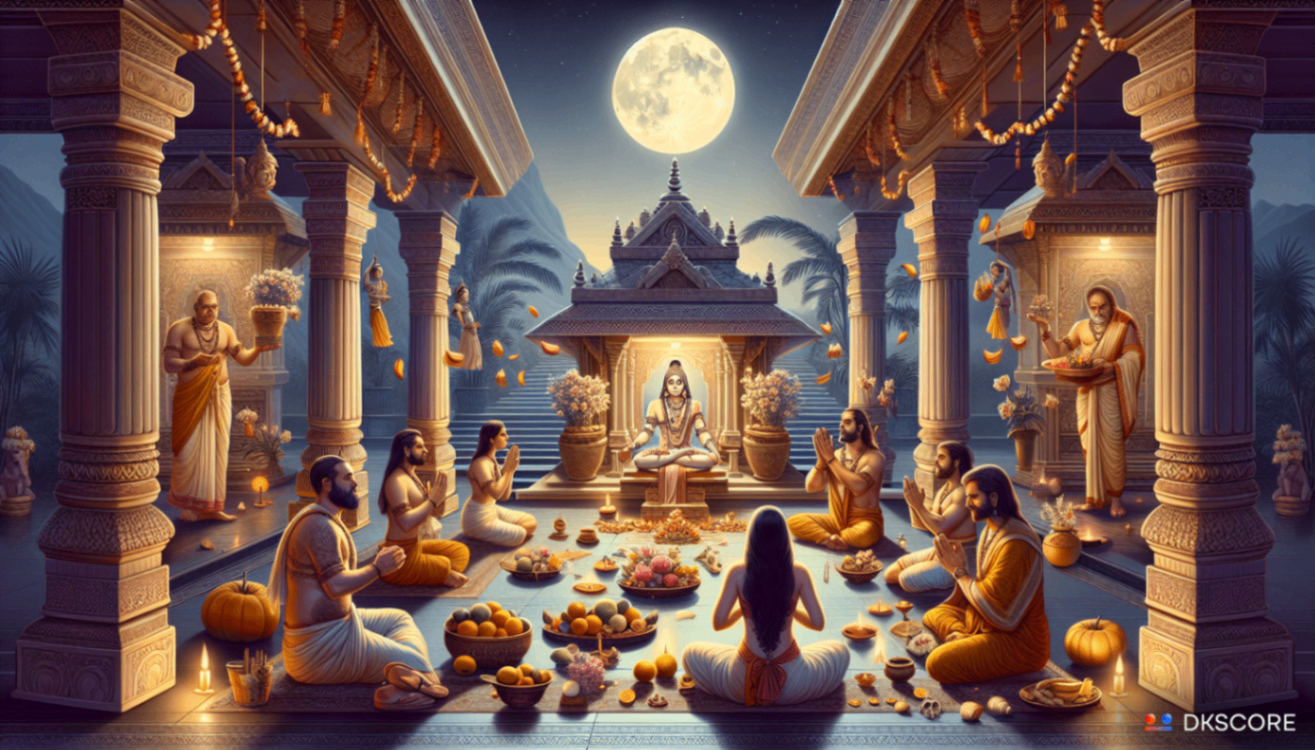
    Devotees observe a fast throughout the day and break it after seeing the Moon, offering Arghya (water) and prayers, seeking blessings for prosperity and mental peace.

    festival
    Chandra Darshan February 2026
    religion
    Hinduism, Jainism
    Date
    18-02-2026
    day
    Wednesday
    Muhurat time
    --
    Duration
    --
  • swastik Festival Date

    18 Feb, 2026

    Chandra Darshan

    calblue Today Date

    15 Feb, 2026

  • Chandra Darshan

    Time Remaining

Why we Celebrate Chandra Darshan ?

Chandra Darshan marks the first sighting of the Moon after the new moon (Amavasya), symbolizing new beginnings and prosperity. It is considered highly auspicious to offer prayers to the Moon for peace, wealth, and overall well-being.

Important Days

Meditation and Mantras

FESTIVAL_IMAGEPATH

Chandra Darshan February 2026: Festival Details & Guide

Chandra Darshan is a revered lunar observance rooted in devotion to the Moon (Chandra) as a celestial symbol of mind, emotions, and nourishment. The February 2026 edition invites devotees and curious readers to explore the festival’s deeper meaning, its mythic roots, practical rituals, and how communities today honor the Moon’s gentle light. This article provides a comprehensive festival details page, blending tradition with modern observances to offer insights for practitioners, seekers, and organizers alike.

Understanding the Significance of festival Chandra Darshan February 2026

Chandra Darshan, literally the sighting or viewing of the Moon, is a ritual of gratitude and renewal. In many parts of the Indian cultural sphere, the Moon’s appearance after a dark lunar phase marks a turning point—an invitation to pause, reflect, and realign intentions. February 2026’s edition retains this core purpose while echoing contemporary concerns: mindfulness, emotional balance, family harmony, and a sense of connection with the rhythms of nature in a fast-paced world.

The Moon is widely associated in Hindu and broader Indian cosmology with mind, emotions, memory, and nourishment. When communities come together to observe the Moon’s crescent, the gathering becomes a moment to cultivate inner brightness, much like the Moon’s own light brightens the night. The festival therefore serves multiple roles: a calendrical marker, a devotional practice, a cultural celebration, and a shared space for intergenerational learning. For households, Chandra Darshan can become a regular seasonal ritual—an opportunity to slow down, nurture relationships, and express gratitude for the small, luminous moments of daily life.

In addition to its spiritual significance, the festival prompts practical considerations: understanding regional calendars, knowing the appropriate timing for darshan, preparing puja materials, and coordinating with temples or community centers. This section outlines the essence of the observance, while the subsequent sections provide more detailed guidance on dates, mythic stories, astrology, rituals, health benefits, and modern adaptations.

Chandra Darshan February 2026 Date and Timing

One of the most important practical aspects of Chandra Darshan is the timing of the Moon’s sighting. In Hindu festival practice, Chandra Darshan occurs on the evening when the crescent Moon becomes visible after Amavasya (the new moon night). The exact date of first sighting in February 2026 depends on geographical location, weather conditions, and local lunar calendars. Because the Moon’s visibility is influenced by atmospheric conditions and horizon geometry, communities often rely on regional panchangas (calendars) and local temple announcements to determine the official date.

Key timing considerations for February 2026 include:

  • Local moonrise and sunset times: The auspicious moment for darshan usually aligns with moonrise shortly after sunset. In many places, this means the Moon appears in the western sky as twilight fades, followed by a gentle crescent visible above the horizon.
  • Mūhurta and auspicious timings: Some devotees prefer performing puja and darshan during specific mūhurta windows—short, defined time intervals considered especially favorable for spiritual activities. Local priests or temple organizers can provide these windows.
  • Weather and horizon clarity: Clear skies, low humidity, and an unobstructed horizon improve the likelihood of an early crescent sighting. In urban centers with light pollution, communities may rely on temple-affiliated observatories or community networks.
  • Regional variations: In certain regions, the lunar calendar treats Chandra Darshan as a month-long awareness rather than a single date; some communities observe additional related rituals during Shukla Paksha or Krishna Paksha depending on tradition.

Because dates and timings vary, readers should check with their local temples, cultural associations, or regional panchangas for the precise February 2026 Chandra Darshan date. The core practice—honoring the Moon’s light after darkness—remains constant, even as the calendar details shift from place to place.

Practical tips for participants:

  • Consult your local lunar calendar or temple calendar for the announced date.
  • Prepare puja items in advance (see Rituals and Practices) and set a gentle, contemplative mood for the evening.
  • Plan to view the Moon from an open, unobstructed space or a temple courtyard where the Moon may be visible.
  • Consider documenting the experience with a family journal or a photo series to create a personal tradition for future years.

Mythological Stories Behind Chandra Darshan February 2026

Mythology surrounding Chandra Darshan centers on the Moon’s role as a celestial luminary and as a symbol of mind and nourishment. Across traditions, several legends illuminate why the Moon’s sighting is celebrated with reverence, gratitude, and sometimes ritual offerings. Here are a few widely shared narratives and their symbolic takeaways for the February 2026 observance:

The Moon God Soma and the 27 Nakshatras

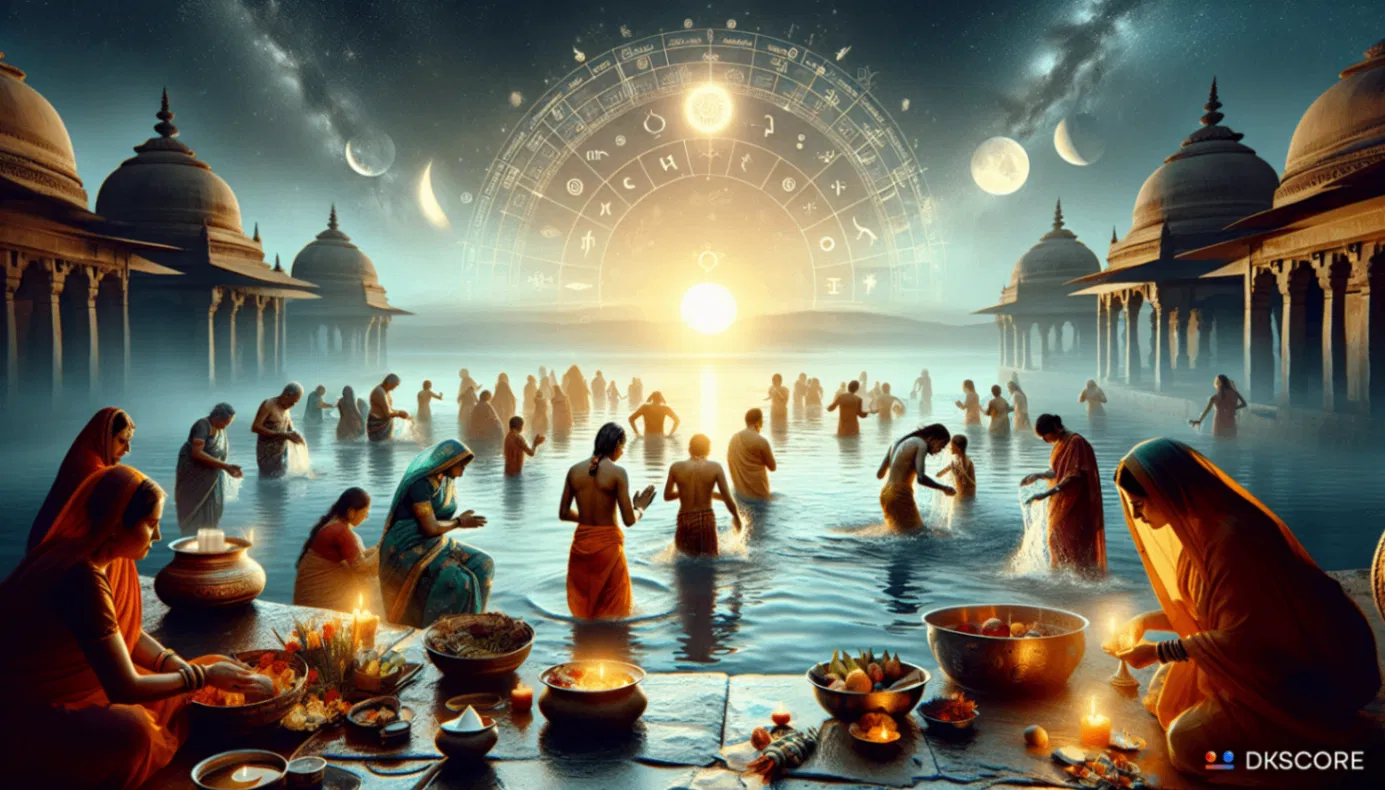
In Hindu cosmology, Soma (the Moon) is often described as a gracious deity who travels across the sky each night. He is associated with the Moon’s waxing and waning cycle, which listeners and devotees interpret as a metaphor for emotional cycles, memory, and vitality. A common thread in many retellings is that Soma is married to multiple Nakshatras—the 27 lunar mansions that serve as the guardian constellations in Vedic astrology. Each night’s journey across the sky aligns with these nakshatras, and the Moon’s visible crescent after Amavasya is seen as a gentle reminder of renewal, access to inner light, and the possibility of fresh insights after periods of darkness.

Rohini, Nakshatras, and the Moon’s Favor

Among Soma’s many connections, Rohini—the brightest and most radiant of the nakshatras—holds a special place in popular lore. Rohini’s association with the Moon’s radiant phase resonates with the experience of new beginnings and the nourishment that relationships, family, and community provide. In many homes, the Moon’s return after Amavasya becomes a moment to acknowledge Rohini’s luminous influence on warmth, generosity, and the emotional climate of the household.

A Legend of Pride, Curses, and Renewal

Another oft-told tale concerns the Moon’s pride or overconfidence in his brilliance. In some versions, Sage Durvasa or other sages censure the Moon for pride, leading to a period when the Moon loses brightness or visibility. The remedy in these stories often involves humility, acts of service, and devotion—timeless themes that echo in the modern observance: by grounding our moods and emotional life in gratitude, we invite the Moon’s gentle radiance back into daily experience. While versions vary by region, the throughline remains relevant: humility, responsibility, and devotion can restore balance, both in the heavens and in the heart.

Chandra as Healer of Emotions

Across many communities, Chandra is celebrated as the healer of emotional storms. The Moon’s light is seen as something that can soothe anxiety, calm restless minds, and encourage introspection. February 2026’s Chandra Darshan thus offers a practical portal for emotional renewal—an annual invitation to check in with one’s inner weather, acknowledge what agitates the mind, and invite gentleness, patience, and compassion into relationships.

These myths are not mere stories but living symbols. They remind participants that darshan is not simply a visual act; it is an experiential practice that aligns inner states with natural cycles. In modern celebrations, storytellers, temple priests, and families often weave these legends into kirtan, discourses, or family discussions, helping to connect ancient wisdom with contemporary life.

Vedic Astrology and Chandra Darshan February 2026

Vedic astrology places the Moon (Chandra) at the center of the mind and emotional landscape. Unlike the Sun, which governs vitality and outward orientation, the Moon is considered the reflector of inner experience—how we feel, remember, and respond to others. Chandra is one of the key planetary influences for any given day, month, or year. In the context of Chandra Darshan, astrology offers both a framework for interpretation and practical guidance for spiritual practice.

Key concepts often highlighted include:

  • The Moon’s rulership and sign position: The sign where the Moon resides at the time of darshan can indicate emotional temperament. For example, a Moon in Cancer may suggest a nurturing, protective mood; in Taurus it can indicate steadiness and dependability; in Aquarius, a humanitarian or imaginative stance may emerge. While translating this to a specific February 2026 moment requires a precise chart, the general principle holds: the Moon’s sign influences the tone of observances and collective mood.
  • Chandra’s strength (Shadbala and Digbala concepts): Strong lunar placement is often associated with clarity of feeling, better nighttime sleep, and a sense of inner balance. Weak or afflicted lunar status can call for mindful practices, such as calming mantras or gentle rituals, to restore harmony.
  • Nakshatras and lunar transits: The Moon’s current nakshatra during February 2026 can guide the emphasis of ritual offerings and meditative focus. For instance, certain nakshatras are linked to healing, learning, or devotion, and observers may tailor their chants and prayers accordingly.
  • Akrati and lunar disorders: In traditional texts, the Moon’s cycles influence tides, hormones, and collective mood. Practically, this is interpreted as a reminder to attend to sleep quality, diet, and emotional well-being, especially during the darshan period when the Moon’s influence is celebrated.

For devotees, a practical takeaway is to align personal practice with lunar phases. If February 2026’s Chandra Darshan signals a gentle crescent after Amavasya, it is often interpreted as a favorable time to begin new emotional initiatives, strengthen family ties, and set intentions for healing and renewal. Couples may view this as a moment to cultivate mutual understanding, while individuals may seek to balance inner dialogue and outward actions.

Chandra Darshan February 2026: Astrological Insights

Astrological insights for this festival edition emphasize a harmonious, emotionally attuned period. While precise planetary transits require an accurate chart, several themes commonly highlighted in Vedic astrology around Chandra Darshan include:

  • Emotional resonance: The Moon’s position can amplify moods, empathy, and receptivity. Observances during this time are often described as conducive to deep listening, compassionate communication, and attentiveness to the needs of family and community.
  • Nurture and healing: Lunar phases are associated with healing rituals, restorative activities, and acts of care. People might be drawn to supportive conversations, memorial practices, or community service that nourishes the collective heart.
  • Introspection and dreams: The Moon governs dreams and inner narratives. February 2026 may invite meditators and dream-seekers to journal, reflect on personal patterns, and seek inner clarity through quiet contemplation.
  • Balance between outer and inner world: The ritual also highlights the balance between external duties and inner awareness. Practitioners are encouraged to honor both aspects by engaging in gentle rituals, meaningful dialogue, and mindful rest.

To translate these insights into daily practice, readers can adopt a simple approach: plan a modest, emotionally meaningful activity on the festival evening—such as a quiet family prayer, a moonlit walk, or a short meditation—followed by a journal entry about feelings, hopes, and gratitude. This keeps the experience grounded and personally transformative rather than merely symbolic.

Rituals and Practices of Chandra Darshan February 2026

Rituals surrounding Chandra Darshan are designed to honor the Moon’s light, cultivate inner calm, and strengthen social bonds. While regional variations exist, certain core practices are widely observed and can be adapted for households, temples, and community centers. The following sections describe the typical sequence, with practical details that readers can implement this February 2026 edition.

Preparatory Observances

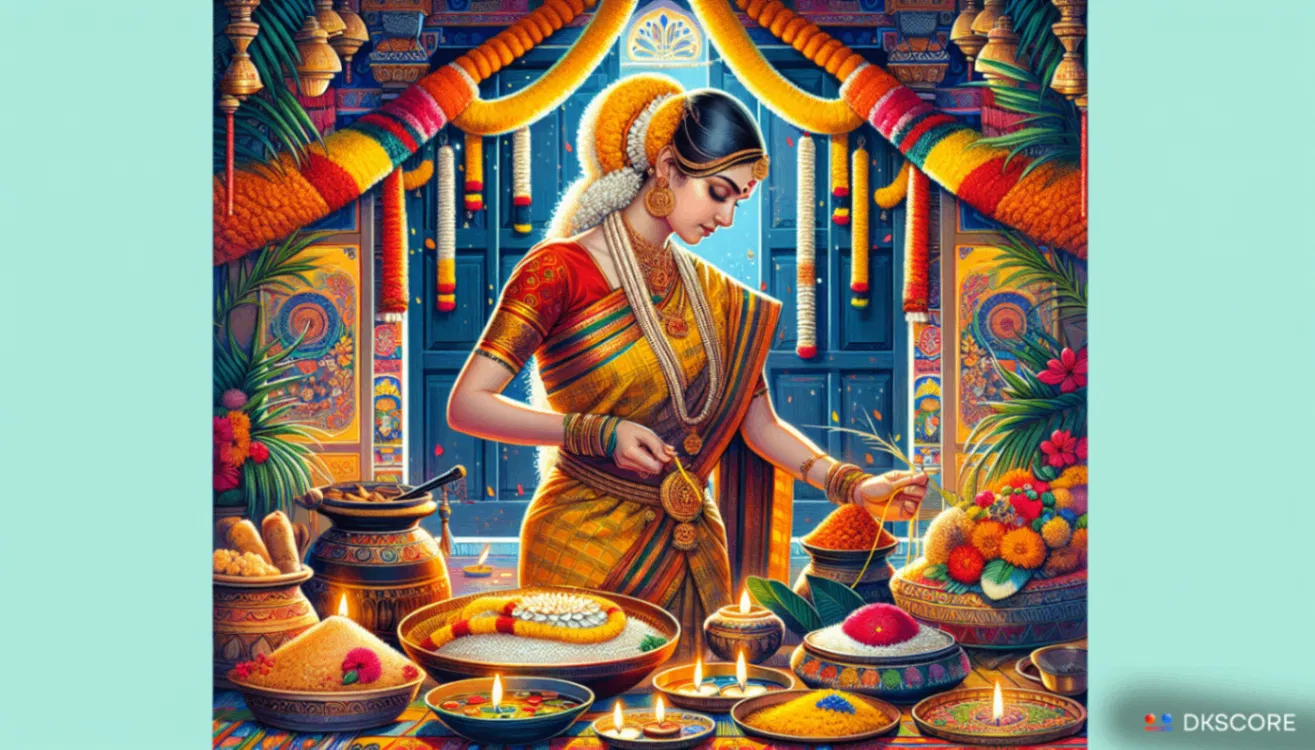
Before the Moon becomes visible, families often undertake preparatory steps that purify the space and invite positive energies. Common preparations include:

  • Cleaning and decorating the home altar: a clean space enables a clear, grateful atmosphere.
  • Purification rites: sprinkling water with a touch of turmeric or chandan (sandalwood paste) to sanctify the area.
  • Offering materials: fresh flowers (often white or pale-colored blooms), fresh fruits, and a small lamp with ghee or oil ready for the arati.
  • Water and dairy offerings: placing a small bowl of water or milk in front of the Moon’s image or symbol, signifying nourishment and purity.

Evening Darshan and Arati

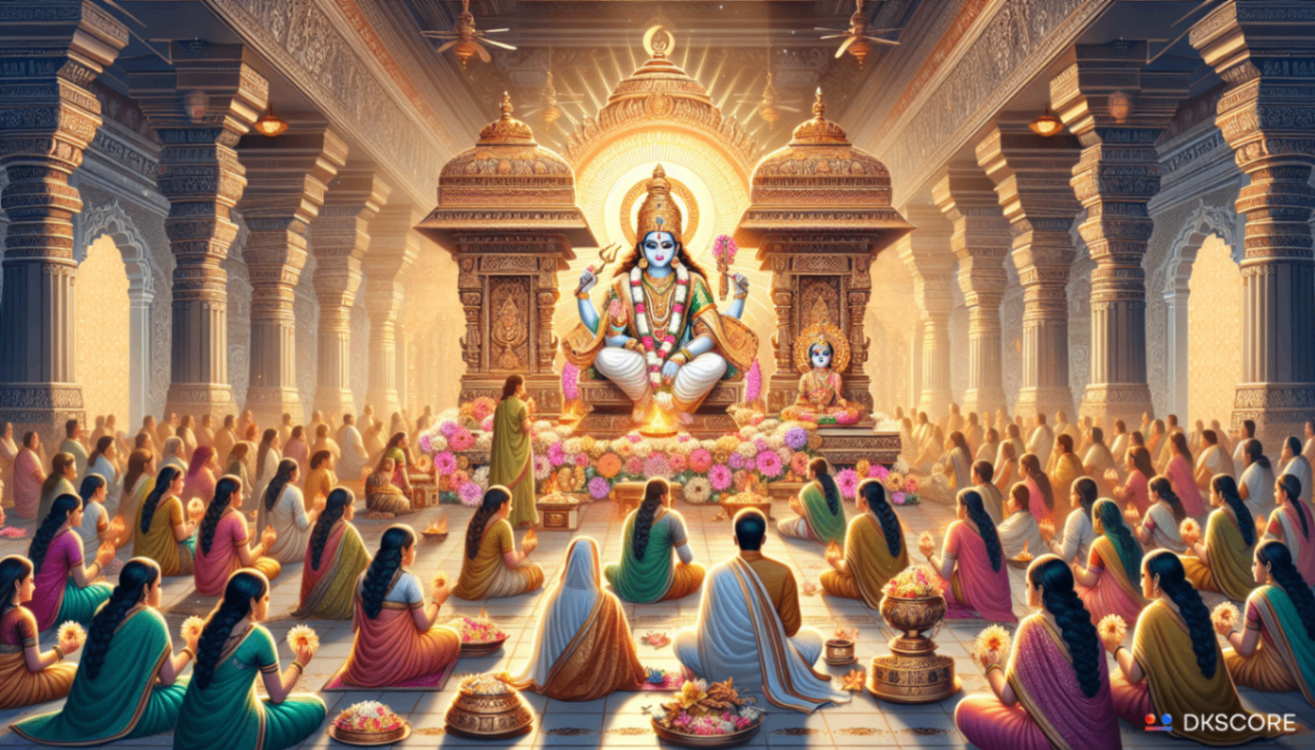
The central moment of the observance is the darshan itself—the sighting of the crescent Moon—and the accompanying arati (a devotional light ceremony). Steps typically include:

  • Lighting lamps or candles: warm, calm illumination helps create a tranquil atmosphere for contemplation.
  • Moon-specific offerings: a small tray with water, milk, coconut, and white sweets is commonly placed before the Moon symbol or image.
  • Chanting and bhajans: sing or recite prayers dedicated to Chandra or to the Moon’s benevolent influence on mind and emotions.
  • Arati with camphor: rotate a lamp in a clockwise circle before the moonlit elements, offering gratitude for renewal and emotional clarity.
  • Personal vows and intentions: devotees may present personal intentions or family prayers for health, harmony, and spiritual growth.

Food Offerings and Fasting

In many households, a modest fast or light meal follows the darshan. Food offerings often reflect the Moon’s association with nourishment and gentleness. Typical practices include:

  • Light meals: fruit, yogurt, or a simple vegetarian dish that’s easy to digest and grounding for the mind.
  • Dishes made with white or pale ingredients: rice, kheer (rice pudding), milk-based sweets, and coconut.
  • Satvik preparations: avoiding excess spice or heavy fats to maintain mental calm and spiritual receptivity.
  • Sharing food: at the end of the ceremony, many families distribute prasad (blessed food) to neighbors and guests, reinforcing social bonds.

Home Altar and Decor

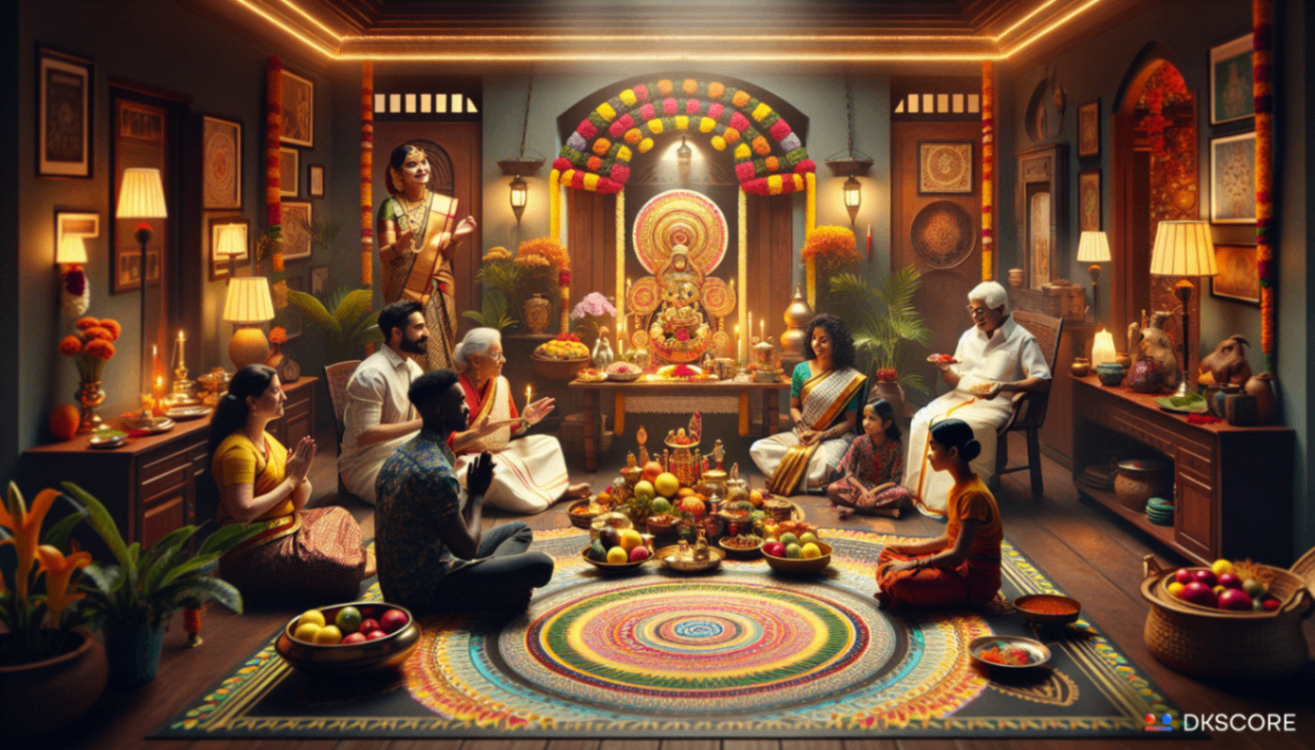
A dedicated altar is a focal point for the evening. Suggestions for altar setup include:

  • A clean, well-lit space with a modest image or symbol representing Chandra (crescent Moon, silver disc, or a Moon cradling figure).
  • White or pale fabrics, flowers like jasmine or frangipani, and a copper or brass lamp to hold the diya.
  • Symbols of nourishment and care: a bowl of water, a spoon, and a small offering tray with coconut and fruits.
  • Printed mantras or a small booklet with the Moon’s prayers, so family members can recite aloud together.

Outdoor Observances and Community Activities

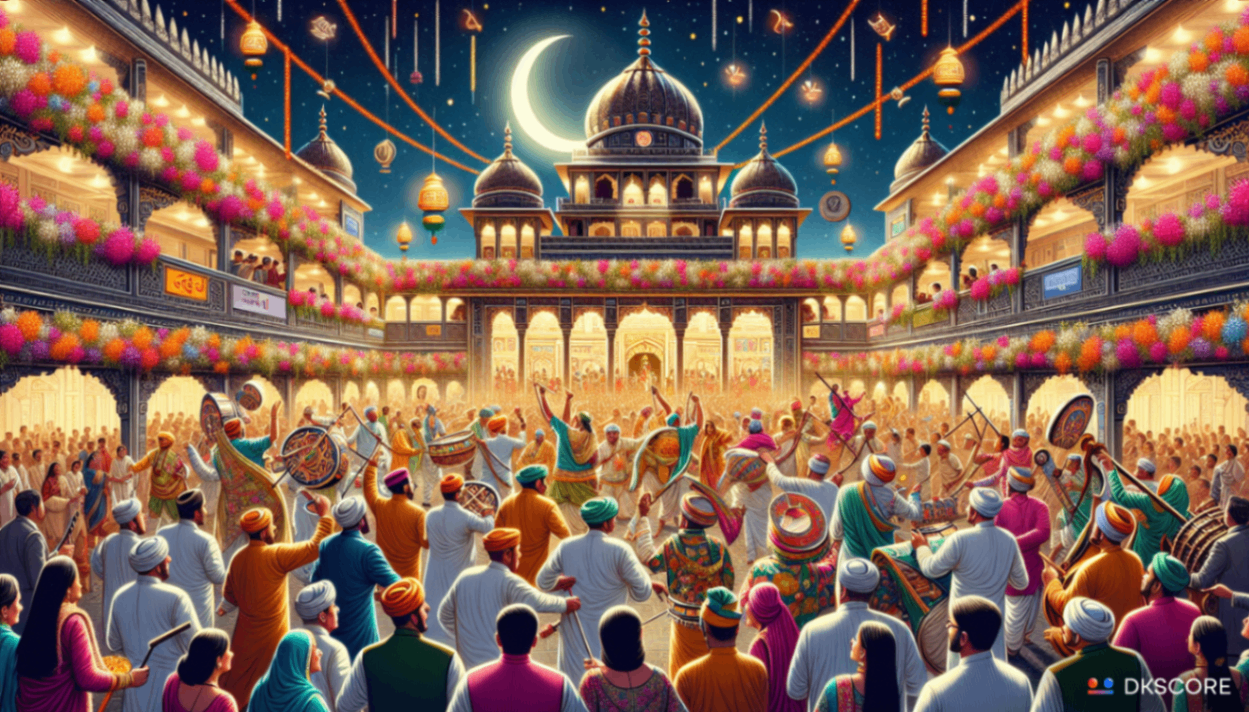
When feasible, communities extend the observance beyond the home by hosting moonlit walks, star-gazing sessions, or temple gatherings. Activities may include:

  • Guided moonlit discourses on the Moon’s symbolism and emotional well-being.
  • Group meditation focusing on inner calm and gratitude.
  • Star-gazing or astronomical talks to connect lunar myth with science.
  • Special prayers for sunrise and dusk, acknowledging the Moon’s influence on tides and weather, as a reminder of interconnection with nature.

Rituals are designed to be accessible to all ages and levels of familiarity with traditional practices. The core objective—cultivating awareness, gratitude, and emotional balance—can be adapted to suit different cultural and familial contexts in February 2026.

Health and Spiritual Benefits of Chandra Darshan February 2026 Rituals

Across regions and generations, devotees report a range of health, spiritual, and psychological benefits associated with Chandra Darshan rituals. While individual experiences vary, several consistent themes emerge in traditional and contemporary accounts:

  • Emotional balance: The Moon’s association with mind and emotions makes the darshan a mindful practice for soothing anxiety, reducing emotional turbulence, and encouraging compassionate responses to others.
  • Improved sleep and restoration: Moon-focused rituals can help establish calming evening routines, contributing to better sleep quality, deeper rest, and improved daytime functioning.
  • Enhanced family connections: Shared rituals foster communication, gratitude, and mutual support among family members, reinforcing compassionate dynamics within households.
  • Stress reduction and mindfulness: Slow, devotional activities—chanting, arati, and reflection—provide a structured path to reduce stress and cultivate present-moment awareness.
  • Spiritual clarity and intention setting: The lunar phase invites contemplation about values, goals, and relationships, supporting purposeful living and ethical choices.
  • Respect for nature’s cycles: Emphasizing the Moon’s changing phases reinforces a sense of environmental rhythm and humility before larger cosmic cycles.

These benefits align with broader wellness practices that encourage ritual, reflection, and community connection. For practitioners seeking a holistic approach to February 2026, Chandra Darshan offers a gentle framework to nurture mental health, emotional resilience, and spiritual well-being.

Mantra Chanting During Chandra Darshan February 2026

Mantras dedicated to Chandra are widely chanted during Chandra Darshan. Repetition of sacred sounds is believed to calm the mind, purify speech, and invite lunar blessings. If you plan to include mantra practice in February 2026, consider the following commonly used mantras. Keep in mind that pronunciation and intention matter most; learning from a teacher or a reliable audio recitation can be valuable if you are unfamiliar with the sounds.

  • Chandra Mantra (Moon God): Om Chandraya Namaha. Translation: Salutations to the Moon God. This mantra evokes the Moon’s cool, nourishing energy and mental balance.
  • Soma or Chandra Beej Mantra: Om Som Somaya Namaha. Translation: Salutations to Soma, the Moon. Often recited to align with the lunar cycle and inner reflection.
  • Moon and Mind Mantra for Calmness: Om Chandraya Namah, Om Shreem Chandraya Namaha. Translation: Honor to the Moon; a variation that also invokes auspicious abundance in some traditions.
  • Evening Dhyana Mantra: Om Shanti Shanti Shanti Om. Translation: Peace—an essential accompaniment to the contemplative mood of moonlit evenings.

Guidelines for mantra practice:

  • Chant slowly and clearly, ideally 11, 21, or 108 times per session, as suits your tradition.
  • Pair mantra recitation with a short breath-centered meditation (pranayama) to deepen focus.
  • Offer the recitation as a form of gratitude for nourishment, protection, and emotional balance.
  • Include a brief intention ( sankalpa ) before the chant, such as “May this month bring harmony to my family and clarity to my mind.”

Always practice with reverence and awareness of your own limits. If you are new to mantras, consider a guided session with a knowledgeable teacher or a reputable audio resource to ensure correct pronunciation and rhythm.

Chandra Darshan February 2026 in Modern Times

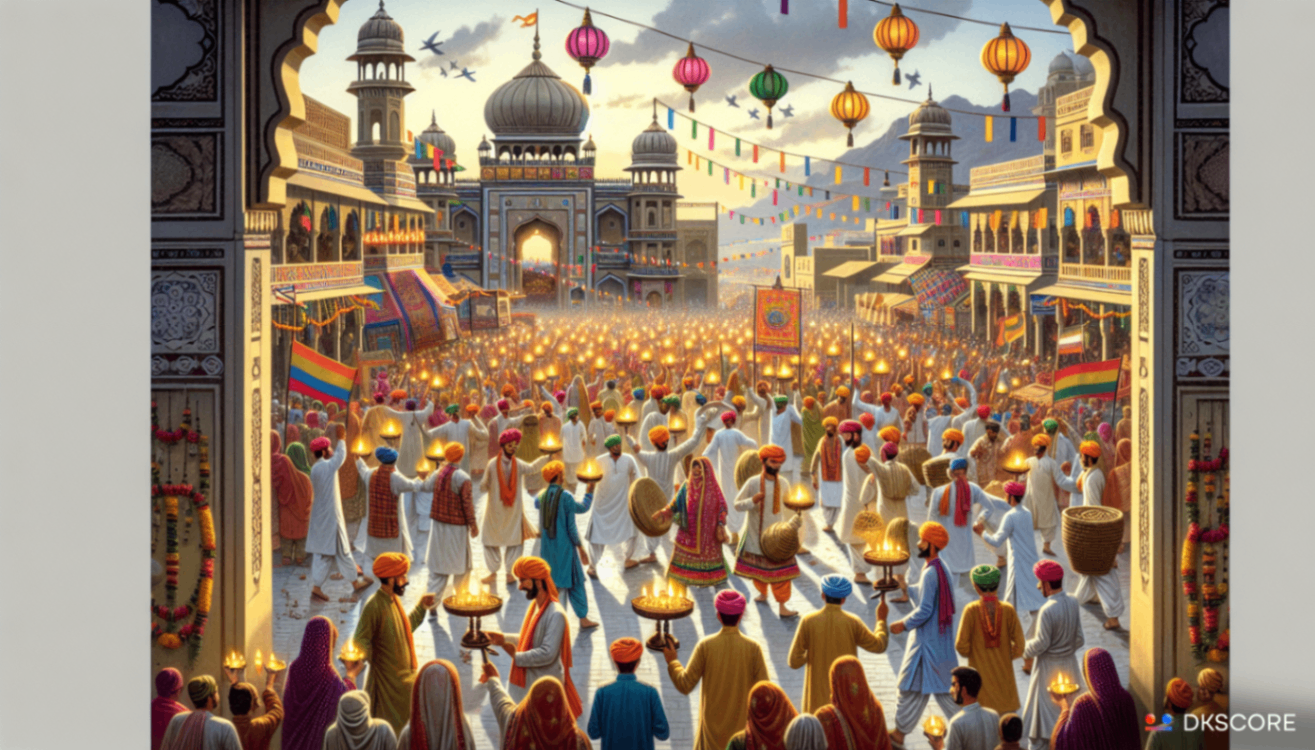
In contemporary society, Chandra Darshan evolves while preserving its core spiritual essence. Urban temples host evening programs, live streams, and virtual prayer circles to accommodate families who cannot travel to a temple. Cultural associations organize moon-viewing sessions, astronomy-augmented discussions, and community service events that align with the luminous spirit of the Moon. Here are several modern manifestations you may encounter in February 2026:

  • Temple programs with live Moon darshan: Temples may open a scheduled window for public darshan, arati, and prasad distribution. In many places, these events are broadcast online for wider participation.
  • Community moon-gazing and education: Astronomy clubs paired with spiritual groups host night-sky observations, combining science with mythic storytelling for children and adults alike.
  • Social media and digital calendars: Followers share lunar calendars, crescent sightings, and reflections on the Moon’s symbolism. Community posts may include practical tips for moonlight rituals at home.
  • Environmentally conscious observances: Moon-based rituals are sometimes integrated with sustainable practices, such as using renewable oils, reusing decor, and minimizing waste for temple celebrations.
  • Intergenerational learning: Families balance modern schedules with rituals—grandparents recount myths, while younger members contribute via music, art, or short videos about their experiences of the Moon’s light.

For organizers, modern Chandra Darshan can be a bridge between tradition and contemporary life. Planning considerations include accessibility (parking, seating, weather contingencies), inclusive language in discourses, and materials that accommodate diverse audiences, including children and seniors. Embracing both the spiritual heart and practical needs of a modern audience helps the festival remain relevant and inclusive in 2026.

Conclusion

Chandra Darshan February 2026 offers a meaningful intersection of myth, astrology, ritual practice, and modern community life. By honoring the Moon’s light after darkness, devotees engage in a reflective ritual that nurtures emotional balance, strengthens family bonds, and invites a renewed sense of inner brightness. Whether observed in a quiet household, a temple courtyard, or an online gathering, the festival remains an invitation to slow down, listen to one’s heart, and cultivate compassion for oneself and others.

As you prepare for the February 2026 Chandra Darshan, consider the following practical steps to enrich your experience:

  • Consult your local calendar to confirm the observed date and muhurtas for darshan in your community.
  • Prepare a simple home altar with a Moon symbol, a lamp, fresh flowers, water, and a small offering tray.
  • Involve family or friends in a short collective ritual that includes arati, a calm discussion about gratitude, and a gentle mantra session.
  • Engage with the mythic stories of Soma, Rohini, and the lunar cycles to deepen your understanding and personal resonance with the Moon’s symbolism.
  • Consider keeping a brief lunar journal for February 2026—note moods, dreams, and moments of gratitude, then revisit them after the festival to observe patterns and growth.

In addition to spiritual enrichment, Chandra Darshan can be a practical catalyst for improved emotional well-being and enhanced family cohesion. By integrating ancient wisdom with mindful modern practice, February 2026’s Chandra Darshan becomes more than a date on a calendar—it becomes a living, luminous practice that invites us to reflect, nurture, and grow in alignment with the Moon’s quiet, steady glow.

Charity and Donations

Joy Stories Foundations

Joy Story Foundation is a section-8, non-profit organization founded in November 2019, registered with Ministry of Corporate Affairs, Government of India. It aspires to build stories around “Joy for Everyone” by practicing the values of collective philanthropy and by maintaining utmost transparency in order to achieve it. Our vision is to ensure that we do our bit to free the world of gloom, sorrow, deprivation, pessimism, and pain by inducing small positive moments to bring joy in the world. And we would go to any extent to achieve that, irrespective of geographical boundaries, religion, age, color or need. Our giving would be completely unbiased, non- religious and non-political.