FESTIVAL_IMAGEPATHFESTIVAL_IMAGEPATH

Ishti Krishna Amavasya JAN 2026: Festival Dates, Lineup, Tickets & Guide

AI search -DKSCOREDKSCORE AIsearchaicircle
  • ICON Ishti Krishna Amavasya JAN 2026

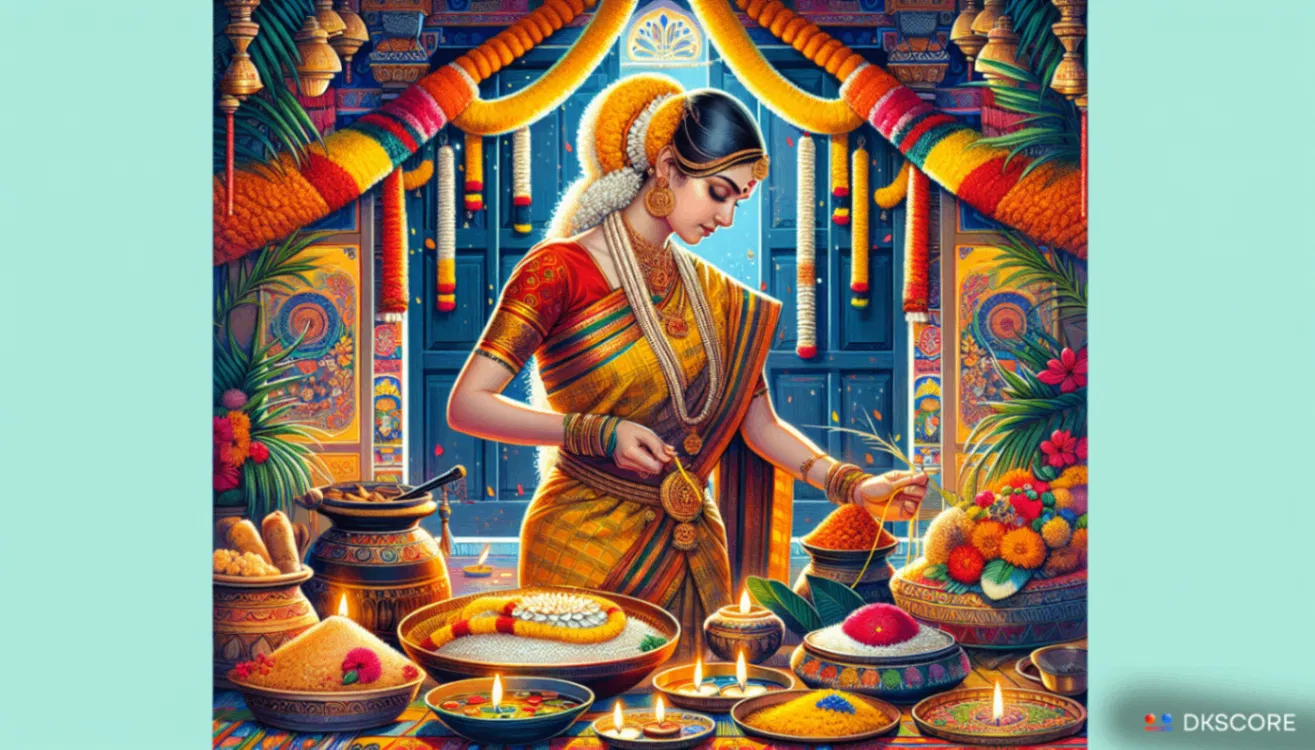
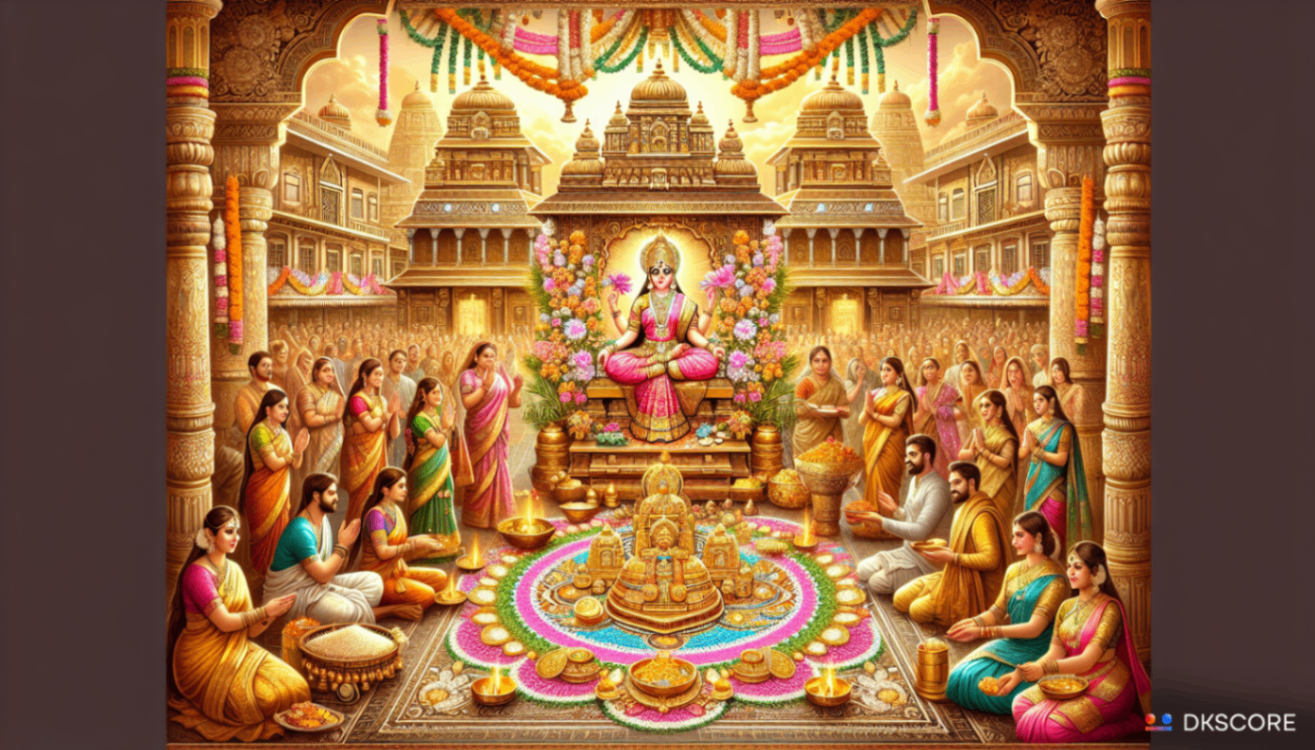
    This festival is centered around performing the Yajna (fire ritual) by chanting Vedic mantras, offering various grains and ghee into the fire to please the deities and align planetary energies for personal and communal well-being.

    festival
    Ishti Krishna Amavasya JAN 2026
    religion
    Hinduism
    Date
    19-01-2026
    day
    Monday
    Muhurat time
    --
    Duration
    --
  • swastik Festival Date

    19 Jan, 2026

    Ishti

    calblue Today Date

    17 Jan, 2026

  • Ishti

    Time Remaining

Why we Celebrate Ishti ?

Ishti is a Vedic ritual performed to seek divine blessings for prosperity, peace, and removal of obstacles, based on the principles of sacred fire offerings.

Important Days

Meditation and Mantras

FESTIVAL_IMAGEPATH

Ishti Krishna Amavasya JAN 2026 Festival Guide: Dates, Lineup & Tickets

Ishti Krishna Amavasya January 2026 is a festival that blends devotion to Lord Krishna with the quiet reverence of the new moon night. While Amavasya—literally the “no moon” night—appears every lunar month, the specific naming and regional rituals of Ishti Krishna Amavasya in January 2026 reflect particular cultural interpretations, timings, and devotional practices. This article provides a comprehensive overview designed for readers seeking a detailed festival details page: its significance, sacred myths, astrological considerations, ritual practices, healthful and spiritual benefits, mantra recitations, and how contemporary communities celebrate it in the modern world. We also address how to determine the precise date and muhurtas for your location, since lunar calendars vary by region.

Understanding the Significance of festival Ishti Krishna Amavasya JAN 2026

Ishti Krishna Amavasya JAN 2026 sits at the intersection of devotion to Krishna and the austere beauty of the dark night. The term Ishti, in many spiritual contexts, connects to rites intended to fulfill sincere wishes or to honor a chosen deity with specific offerings. Krishna, as the beloved avatar of Vishnu, embodies compassion, divine play (leelas), and the triumph of light over darkness. On Amavasya, when the night is at its deepest, devotees often turn to Krishna to invite inner illumination, cleanse the heart of negativity, and awaken bhakti (devotion).

The significance of this observance goes beyond a single day. It is a reminder that spiritual practice—chanting, prayer, and service—can bring clarity during times of inner darkness. Families and temples may use this night to reconnect with Krishna’s stories, recite sacred verses, perform ancestral rites (where culturally appropriate), and share prasadam, strengthening communal bonds. In many Vaishnava and Krishna-conscious communities, Ishti Krishna Amavasya is viewed as an auspicious time to begin or renew personal vows (sankalp) that align with compassion, generosity, and self-improvement.

Cultural variations exist. Some regions emphasize nocturnal vigils (jagrata) and kirtan, while others highlight a more introspective fast, meditative chanting, or a ritual bath (abhishek) for the deity. Regardless of regional flavor, the common thread is a deliberate turn toward Krishna’s grace, a mindful receptivity to divine guidance, and a renewal of ethical living. For practitioners, this festival supports a broader spiritual calendar that encourages gratitude, service, and a reorientation away from distraction toward devotion.

Practical takeaway: if you’re preparing for Ishti Krishna Amavasya JAN 2026, plan a simple, heart-centered observance that suits your household schedule. The essence is devotion, not complexity. A thoughtful puja, a short reading of Krishna-related passages, lighting a lamp, and sharing food with others can be deeply transformative.

Ishti Krishna Amavasya JAN 2026 2024 Date and Timing

Important note about dates and timings: Hindu lunar dates (tithis) shift slightly depending on regional panchangs (calendars). Amavasya occurs on the darkest night of the lunar fortnight in a given month, and Ishti Krishna Amavasya is named within a cultural frame that places emphasis on Krishna worship. Because the exact date and muhurta (auspicious timing) can vary by location, it is essential to consult a trusted local Panchang or a temple priest for precise calculations in your area.

General guidelines for planning around Ishti Krishna Amavasya JAN 2026:

  • Amavasya begins at sunset of one day and ends at the next sunrise; tithi calculations may place the main observance on the night of the Amavasya or the following early hours.
  • Muhurta options commonly used for Krishna-focused rituals include early morning (before sunrise) and evening hours after sunset when the atmosphere feels calm and receptive; many devotees aim for a Brahma Muhurta window (roughly 1.5 hours before dawn) if possible.
  • Because regional daylight-saving and local calendars differ, rely on your region’s calendar to identify the exact date (Gregorian) and the most auspicious times for pooja and chanting.
  • If you are participating in temple events, arrive with time to perform your personal puja, seek darshan, and participate in communal kirtan or yajna programs if offered.

For those in early planning stages, you can track the evolving dates with:

  • Local temple announcements and calendars
  • Regional panchang apps or websites maintained by astrologers or Hindu organizations
  • Consultations with a priest or pandit who knows your city’s or district’s verbanded calculations

In 2024 compared to 2026, the underlying astronomical phenomena (new moon, darkened night, and planetary transits) follow the same lunar mechanics, though the exact date shifts. The key point is that both years adhere to the same practice framework: honor Krishna on a night of minimal moonlight, with emphasis on inner light, devotion, and charitable acts. Always confirm with a reliable source specific to your locality.

Mythological Stories Behind Ishti Krishna Amavasya JAN 2026

While there may not be a single canonical myth specific to the title “Ishti Krishna Amavasya,” the night’s themes are deeply infused with Krishna-centered narratives and the symbolic power of Amavasya—the time when the inner light is most needed to dispel external darkness. The following mythic strands are commonly evoked to enrich understanding and devotion on this occasion.

Mythic Theme 1: Krishna as the Light in Darkness

In many Vaishnava traditions, Krishna is described as kuwa (the source of light) who dispels night’s fear with music, compassion, and steadfast presence. On Amavasya, devotees imagine Krishna’s banishment of ignorance, inviting the heart to awaken to truth. Stories and bhajans emphasize that even a small flame can outshine a vast darkness when guided by love for Krishna.

Mythic Theme 2: The Power of Bhakti in Quiet Nights

Amavasya nights are quiet, but the anthology of Krishna’s leelas in scriptures often illuminate the possibility that devotion carried in the heart can illuminate a crowd of thoughts. In many tales, the Gopis’ devotion, Krishna’s flute, and the simple rituals of lighting lamps demonstrate that steady, heartfelt worship does not depend on elaborate ceremonies alone. The narrative encourages practitioners to be present, attentive, and grateful.

Mythic Theme 3: Tarpan, Ancestors, and the Circle of Light

In regions where Shraaddha rites (ancestor offerings) are observed on Amavasya, the mythic link between light and ancestral remembrance emerges clearly. The lamp lit for Krishna can also symbolize communal memory—keeping alive the lineage of kindness, service, and gratitude across generations. The stories remind devotees that spiritual life includes reverence for those who came before us, who carried light under difficult circumstances.

These mythic themes are not about myth alone; they serve as ethical anchors. They invite believers to translate the narrative into daily practice: cultivate compassion, sustain truthfulness, share with others, and keep a personal vow to grow in devotion.

Vedic Astrology and Ishti Krishna Amavasya JAN 2026

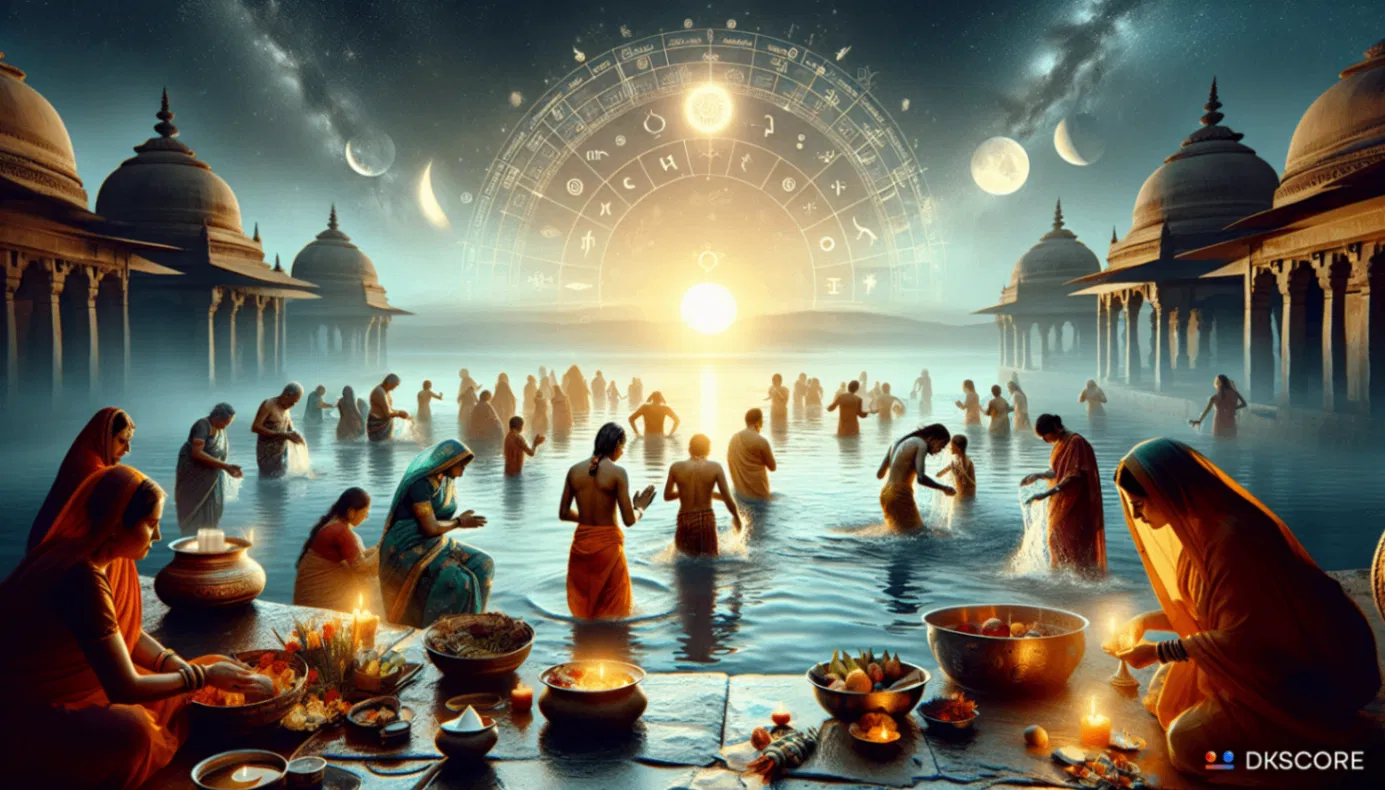
Vedic astrology (Jyotisha) regards Amavasya as a potent time for spiritual focus and ancestor-related rites. The Moon’s phase (new moon) signifies a natural opening—a space for introspection, purification, and prayer. The celestial alignment on Ishti Krishna Amavasya JAN 2026 can influence the mood and outcome of rituals, according to regional astrological traditions.

Key concepts often discussed by astrologers in relation to Amavasya include:

  • Moon–Sun conjunctions and the Moon’s nakshatra on Amavasya; the quality of the night is thought to be enhanced or tempered by the lunar mansion (nakshatra) the Moon occupies.
  • Planetary transits that may favor introspection, spiritual practice, and service-oriented acts on this night.
  • The significance of performing tarpan and other offerings for ancestors—believed to invite blessings and remove obstacles in the family line.
  • Auspicious timings (muhurtas) during dawn or dusk when chanting and rituals are considered especially potent.

While astrology provides a framework for timings and mood, it also recognizes that personal intention and devotion are primary. You can use astrological guidance as a supplementary tool to choose a time that feels most meaningful for your family’s practice.

Ishti Krishna Amavasya JAN 2026 2024: Astrological Insights

The juxtaposition of 2024 and 2026 on this lunar night offers a lens into how variations in planetary positions can color devotional experiences. Although the sun’s position, the moon’s phase, and planetary transits differ year to year, several consistent themes emerge that help devotees prepare spiritually:

  • The Amavasya phase itself remains a universal reminder of letting go of ego and inviting inner light. This aligns with a broad spiritual principle across eras and communities: darkness is a natural phase that can be transformed through devotion and remembrance.
  • Ancestors and lineage: Amavasya nights often highlight rites of remembrance and gratitude. Astrology notes that this can be a time of healing within families when combined with sincere prayers for well-being and harmony.
  • Practice intensity: Some years may present a slightly more contemplative mood, while others may invite more communal singing and public kirtan, depending on the Moon’s nakshatra and the positions of benefic planets in the local astrology forecasts.
  • Regional variability: Different regions may emphasize different deities or narratives on Ishti Krishna Amavasya; astrology supports tailoring practice to fit local spiritual currents and temple calendars.

Practical takeaway for devotees studying 2024 vs. 2026: treat Ishti Krishna Amavasya as a day to deepen ritual consistency, not as a fixed alarm clock for spectacular cosmic events. The focus should be steady devotion, compassionate action, and a clear intention to align life with Krishna’s teachings.

Rituals and Practices of Ishti Krishna Amavasya JAN 2026

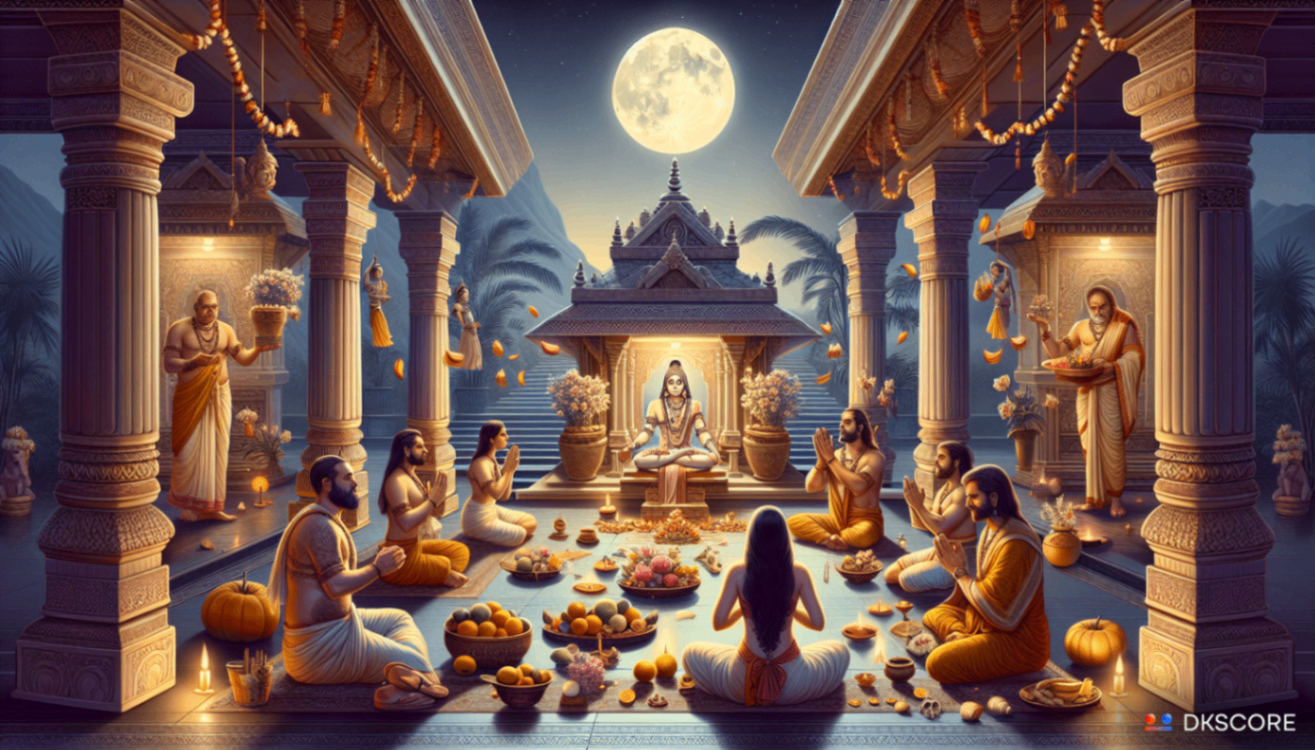
Rituals on Ishti Krishna Amavasya JAN 2026 typically blend personal devotion with communal observance. The following practical guide offers a structured approach that can be adapted to household tradition or temple rituals.

Pre-dawn Preparations

- Clean the home temple area and set up a Krishna altar with a picture or murti, Tulsi plant, and fresh flowers. - Cleanse yourself with a short bath or ritual washing to approach the deity with purity. - Assemble puja items: a diya (lamp), camphor, incense, fresh flowers, tulsi leaves, prasad (fermented or sweet offerings), coconut, rice, sandalwood paste, kumkum (vermilion), and a jug of water for abhishek if desired.

Puja and Abhishek

- Begin with sankalp (intention) for Ishti Krishna Amavasya, stating your devotion and any personal wishes in a humble, finite way. - Perform a simple abhishek (ablution) of the murti with water or milk, followed by a rinse with yogurt, honey, and a sprinkle of saffron if available. - Offer bhoga (food offerings) such as fruit, sweets, and prasadam. - Apply tilak and circumambulate the altar, chanting verses or bhajans in praise of Krishna.

Chanting, Kirtan, and Reading

- Chant familiar Krishna mantras: the Hare Krishna maha-mantra and/or Om Namo Bhagavate Vasudevaya (or other favorite krishnashtakam verses) to create a devotional atmosphere. - Read from sacred texts such as the Bhagavad Gita, Srimad Bhagavatam, or regional Krishna-stories, even if only for 10–20 minutes. - If time permits, assemble with family or neighbors for a group bhajan or kirtan session.

Lighting and Symbolic Offerings

- Light a lamp before Krishna as a symbol of inner illumination. Use an oil lamp or ghee lamp; sparklers or colored lights can be avoided if you prefer a simple, serene setting. - Use Tulsi leaves and a small garland as a symbolic offering, reflecting Krishna’s intimate connection with nature and devotion. - Place a small plate of prasad on the altar to share with family members and, if possible, neighbors and guests.

Fasting, Charity, and Community Service

- Many devotees observe a light fast or partial fasting, especially if the day begins early in the morning. If fasting is not feasible, consider a light, sattvic meal. - Charity is encouraged: donate to a temple, feed the less fortunate, or sponsor a meal for the elderly or children. Acts of service are considered part of the devotional practice and align with Krishna’s teaching of compassion.

Tarpan and Ancestral Rites

- In communities where Shraaddha or tarpan is observed on Amavasya, perform tarpan prayers for ancestors with water offerings and chants. This practice is region-specific, so consult your priest about appropriate rites for your family tradition.

Post-Observance Reflection

- Conclude the observance with a short meditation and gratitude practice. Consider journaling insights, setting intentions for the coming lunar month, or sharing reflections with close friends or family.

Health and Spiritual Benefits of Ishti Krishna Amavasya JAN 2026 Rituals

While the primary purpose of Ishti Krishna Amavasya is spiritual, many practitioners report tangible benefits when rituals are performed with sincerity and consistency:

  • Calmness and focus: The quietness of an Amavasya night, combined with mantra repetition and mindful breathing, can calm the nervous system and sharpen concentration.
  • Emotional clarity: Devotional practices often create a space for emotional release, gratitude, and a sense of connection to something larger than the self.
  • Social and communal well-being: Shared rituals strengthen community bonds, increase mutual support, and encourage acts of charity and service.
  • Spiritual resilience: Observances that acknowledge darkness as a stage for inner light can foster resilience and hope during challenging times.
  • Healthy discipline: Fasting or structured devotion fosters self-control, which can translate to other aspects of daily life.

It is important to understand that health and well-being improvements are personal experiences influenced by beliefs, culture, and lifestyle. If you have medical concerns, consult a professional rather than replacing medical advice with spiritual practices.

Mantra Chanting During Ishti Krishna Amavasya JAN 2026

Chanting mantras is a central practice on Ishti Krishna Amavasya. It trains the mind, deepens devotion, and aligns the practitioner with Krishna’s transcendental presence. Here are essential mantras and practical guidance:

  • Hare Krishna Mahamantra – Hare Krishna, Hare Krishna, Krishna Krishna, Hare Hare; Hare Rama, Hare Rama, Rama Rama, Hare Hare.
  • Om Namo Bhagavate Vasudevaya – A classic Vaishnava mantra honoring Krishna as Vasudeva, often recited during japa (repetition) with a mala (rosary).
  • Shri Krishna Govind Hare Murari (popular in bhajans) – A melodious invocation praising Krishna as the divine guide and friend.
  • Bhagavan Krishna Sharanam – A short, heartfelt chant requesting refuge in Krishna’s mercy.

Practical chanting guidelines:

  • Use a mala (108 beads) to keep track of repetitions. A typical practice is 108 rounds or a smaller set (e.g., 16, 18, or 28) if pressed for time.
  • Set a calm, clean environment with minimal distractions. If possible, chant in a dedicated space or near the Krishna altar.
  • Practice slowly and with attention to the meaning. Reflect on the words as you chant to cultivate heartfelt devotion.
  • Even a short daily routine has value. Consistency matters more than duration.

If you’re new to mantra practice, begin with 5–10 minutes of gentle repetition and gradually increase as you feel comfortable. You may also join a local sangh or online community to share chants, prasad, and reflections.

Ishti Krishna Amavasya JAN 2026 in Modern Times

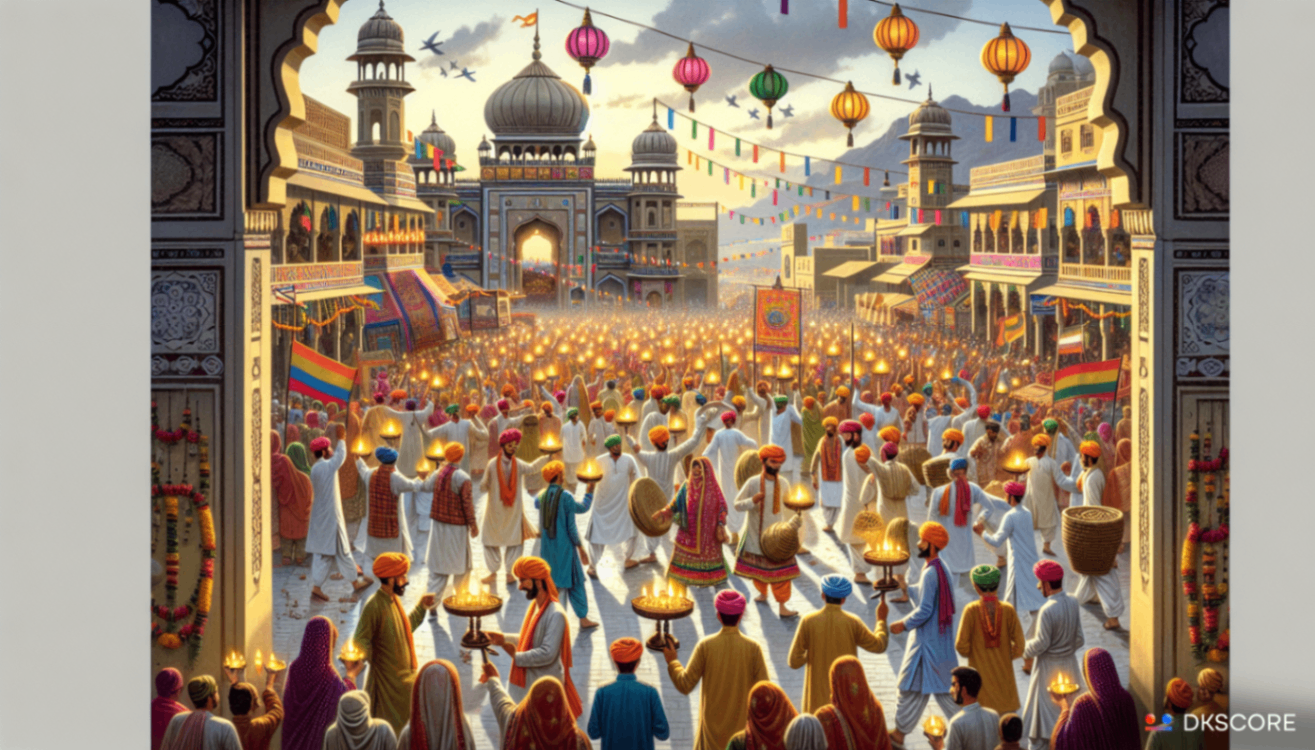
In contemporary life, Ishti Krishna Amavasya JAN 2026 is celebrated in diverse styles, spanning traditional temple observances to home rituals and digital communities. Modern celebrations often blend scenery and symbolism with practicality and accessibility:

  • Temple celebrations: Temples host kirtan (devotional singing), darshan (holy viewing of the deity), and night-long vigils or early morning aratis (ritual worship with lamps).
  • Home observances: Families create intimate puja corners, perform abhishek, offer prasad, and engage children in simple devotional activities to instill values from an early age.
  • Community service: Charitable programs, free meals, and feeding programs align with Krishna’s teachings of compassion and sharing with those in need.
  • Digital and social media: Virtual darshan, online aartis, and educational videos broaden access for people who cannot attend temples in person. Online satsangs and bhajans foster a sense of global community.
  • Eco-conscious observances: Communities increasingly emphasize sustainable rituals—using cloth decorations, oil lamps instead of disposables, and paper-free or recycled materials for invitations and banners.
  • Regional flavors: Local festivals may feature specific Krishna stories, regional music styles, or unique prasad offerings that reflect local culture.

Practical tips for modern observers:

  • Plan activities in advance but allow space for spontaneity in singing and singing.
  • Respect your own pace—some people observe a light fast, others join longer night vigils. Adapt to what feels spiritually meaningful.
  • Share learning: invite family, friends, or neighbors to participate in a small reading or discussion about Krishna’s teachings and how they apply today.
  • Document your practice with a simple journal or a photo/story post to reflect on your spiritual journey over time.

Modern celebrants often note that the essence remains constant: light conquers darkness through devotion, compassion, and community. Whether you celebrate with a grand temple event or a quiet home ritual, the aim is to cultivate inner peace and outward kindness.

Conclusion

Ishti Krishna Amavasya JAN 2026 offers a meaningful opportunity to re-center devotion to Krishna on a night associated with darkness and reflection. By understanding its significance, recognizing the mythic imagery behind Krishna during Amavasya, considering astrological perspectives, and following practical rituals, practitioners can cultivate a more mindful, compassionate, and joyful spiritual life.

Remember: the precise date and muhurta for Ishti Krishna Amavasya JAN 2026 depend on your local panchang. Always consult a trusted regional calendar or speak with a knowledgeable pandit to confirm timing, tithi, and auspicious moments for your family. Use the festival as an invitation to reflect on inner light, to perform acts of service, and to deepen your connection with Krishna’s teachings in daily life.

Whether you observe with a major temple gathering or a quiet domestic ritual, the core message remains the same: darkness can be transformed into light through devotion, remembrance, and selfless action. May Ishti Krishna Amavasya JAN 2026 bring clarity, compassion, and renewed devotion to all who honor it.

Charity and Donations

Joy Stories Foundations

Joy Story Foundation is a section-8, non-profit organization founded in November 2019, registered with Ministry of Corporate Affairs, Government of India. It aspires to build stories around “Joy for Everyone” by practicing the values of collective philanthropy and by maintaining utmost transparency in order to achieve it. Our vision is to ensure that we do our bit to free the world of gloom, sorrow, deprivation, pessimism, and pain by inducing small positive moments to bring joy in the world. And we would go to any extent to achieve that, irrespective of geographical boundaries, religion, age, color or need. Our giving would be completely unbiased, non- religious and non-political.

Have doubts and need help?

Check out our Frequently Asked Questions to find the answers. But hey, if your doubts still persist, we are only a demo call away!

Frequently Asked Questions

Ishti Krishna Amavasya in January 2026: What are the Do's and Don'ts?

Do's: - Take a purifying bath early in the morning. - Light a lamp (diya) and incense; offer prayers to Krishna and your ancestors. - Perform Krishna Puja and chant or read scriptures like Vishnu Sahasranama or Krishna Ashtakam. - Donate to charity or feed the needy; Brahmins or temple priests. - Observe a light/sattvic fast and eat pure vegetarian meals; avoid heavy or non-vegetarian foods. - Keep the home clean and play devotional kirtan or bhajans. Don'ts: - Avoid non-vegetarian foods, eggs, and, for Vaishnava followers, onions and garlic. - Do not consume alcohol or smoke; avoid gambling. - Do not quarrel, gossip, or speak ill of others. - Do not waste food, water, or natural resources. - Do not perform noisy or disruptive activities that disturb the sacred observance.