
Lambodara Sankashti Chaturthi 2026 : Date, Time, Puja Vidhi, Significance & Benefits

 Home
Home DKSCORE AI
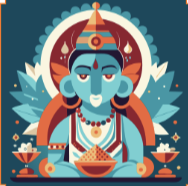 Lambodara Sankashti Chaturthi 2026
Lambodara Sankashti Chaturthi is an auspicious day for worshipping Lord Ganesha in his form as 'Lambodara,' the one with a large belly symbolizing contentment and acceptance. Devotees observe fasts and offer prayers, seeking Ganesha's blessings for overcoming hurdles and ensuring success in their endeavors. The festival's rituals include chanting specific mantras and reciting the Sankashta Nashana Ganesha Stotra during moonrise.
festival
Lambodara Sankashti Chaturthi 2026
religion
Hinduism
Date
06-01-2026
day
Tuesday
Muhurat time
6 PM – 8:30 PM
Duration
--
 Festival Date
06 Jan, 2026
Lambodara Sankashti Chaturthi
 Today Date
30 Jan, 2026
Lambodara Sankashti Chaturthi
Time Remaining
Why we Celebrate Lambodara Sankashti Chaturthi ?
Lambodara Sankashti Chaturthi occurs on the Chaturthi (fourth day) of the Krishna Paksha (waning phase of the Moon) and is dedicated to Lord Ganesha, specifically worshipped to remove obstacles and bring prosperity. Astrologically, this day holds special significance as it is believed that Ganesha blesses devotees with relief from planetary afflictions.
Important Days
Meditation and Mantras
Lambodara Sankashti Chaturthi 2026 : Date, Muhurat, Puja Vidhi and Importance
Significance of Lambodara Sankashti Chaturthi 2026
Lambodara Sankashti Chaturthi is a sacred vrata devoted to Lord Ganesha, the remover of obstacles. It blends devotion, culture, and astrology across many Indian communities. Observers seek Ganapatis blessings for wisdom, courage, and fresh beginnings in work and family life. The day reinforces values such as discipline, gratitude, and sharing. It links daily routines with the lunar cycle, temple rituals, and stories of Ganesh worship passed down through generations. Celebrations vary by region but share a common spirit of reverence and joy. 🙏🕉️
Lambodara Sankashti Chaturthi 2026 Date, Muhurat and Timing
| Tithi | Krishna Paksha Chaturthi |
| Nakshatra | Rohini |
| Sunrise | 06:15 AM IST |
| Sunset | 05:45 PM IST |
| Auspicious Timing | Moonrise after sunset (Chandra Darshan) |
| Date | 26 November 2026 |
Traditions & Rituals of Lambodara Sankashti Chaturthi 2026
- Wake up before sunrise for bath and purification, then wear clean clothes. 🛁
- Set up a simple Ganesh altar with image or idol, decorate with flowers and a red cloth. 🪷
- Offer modaks, fresh fruit, and coconut as prasad during the puja. 🍥🥥
- Read or listen to a short Ganesh story and chant a couple of mantras. 📖🎶
- See the Moon (Chandra Darshan) after sunset and break the fast with prasad. 🌙✨
Remedies to Perform on Lambodara Sankashti Chaturthi 2026
- Offer fresh red flowers and tilak on Lord Ganesha’s idol.
Benefit: Clears obstacles and invites prosperity. - Light a ghee lamp and chant a short Ganesh mantra.
Benefit: Focuses the mind and brings calm energy. - Donate fruits or sweets to the needy after puja.
Benefit: Spreads generosity and blesses the family.
Mantras & Chants on Lambodara Sankashti Chaturthi 2026
- Om Gan Ganapataye Namah.
Significance: Removes obstacles and invites wisdom. - Vakratunda Mahakaya Surya Koti Sama Prabha, Nirvighna Vidya Dadha Namah.
Significance: Bestows strength and removes fear.
Fasting Rules & Food Guidelines on Lambodara Sankashti Chaturthi 2026
- Many devotees observe a strict or partial fast until the Moon is sighted; some follow a no-grain vrat. 🕯️
- Consume fruits, milk, juice, and light vegetarian foods after moonrise; avoid onion and garlic if following a sattvic vrat. 🥛🍎
- Break the vrat with simple prasad like modak, fruit, or nuts, and share with family. 🫙🍬
Dos and Don’ts on Lambodara Sankashti Chaturthi 2026
- Do wake up early and take a holy bath before Puja. 🛁
- Do perform Ganesh Puja with lamps, incense, and aarti. 🪔
- Do see the Moon (Chandra Darshan) and break the fast with prasad. 🌙
- Don’t eat before Moonrise if you are fasting strictly. 🚫🍽️
- Don’t eat non-vegetarian foods on this vrat. 🥩🚫
- Don’t skip the ritual or the Moon sighting after Puja. 🙏
Charity and Donations
Joy Stories Foundations
Joy Story Foundation is a section-8, non-profit organization founded in November 2019, registered with Ministry of Corporate Affairs, Government of India. It aspires to build stories around “Joy for Everyone” by practicing the values of collective philanthropy and by maintaining utmost transparency in order to achieve it. Our vision is to ensure that we do our bit to free the world of gloom, sorrow, deprivation, pessimism, and pain by inducing small positive moments to bring joy in the world. And we would go to any extent to achieve that, irrespective of geographical boundaries, religion, age, color or need. Our giving would be completely unbiased, non- religious and non-political.
 Donation Links
https://joystoryfoundation.org/Upcoming Festivals

Gandhi Punyatithi 2026
Gandhi Punyatithi, also known as Martyrs' Day, marks the assassination anniversary of Mahatma Gandhi… Read more

Shukra Pradosha Vrat 2026
Shukra Pradosha Vrat is a sacred Friday fast dedicated to Shiva, performed during the twilight perio… Read more

Kumbha Sankranti 2026
Kumbha Sankranti is an important day in the Hindu calendar when the Sun enters the Aquarius sign, ma… Read more

Valentines Day 2026
Valentine's Day is a day dedicated to celebrating love and affection between intimate partners. It i… Read more

Maha Shivaratri 2026
Night dedicated to Lord Shiva
Related Video
Have doubts and need help?
Check out our Frequently Asked Questions to find the answers. But hey, if your doubts still persist, we are only a demo call away!
Frequently Asked Questions
Do's: take an early bath, wear clean clothes, set up a clean Ganesh altar; perform Ganesh Puja with offerings like red kumkum, durva grass, coconut and modak; recite a Ganesh stotra or Sankashti Kavach; observe a vrat (fast) until the Moon is seen (Chandra Darshan); if following a strict vrat, consume fruits, milk and light vrat foods; after sighting the Moon in the evening, break the fast with arati and prasadam; keep the day calm, positive and devotional. Don'ts: do not eat non-vegetarian food or alcohol on this day; avoid heavy meals before Moon sighting if you observe a strict vrat; if your family follows onion/garlic restrictions, follow those; do not break the fast without Chandra Darshan or on a later date; avoid quarrels, loud activities, and waste of food; maintain cleanliness and help those in need.
Observing Lambodara Sankashti Chaturthi (Lord Ganesha in Lambodara form) is believed to remove obstacles and bless devotees with prosperity and peace. Remedies (upayas) commonly recommended for 2026 include: fasting from sunrise to moonrise and breaking the fast after sighting the Moon; performing a Ganesha Puja at home or in a temple with a Lambodara idol or image, offering red flowers, coconut, modak, vermilion, and a ghee lamp; reciting or listening to the Sankashti Chaturthi story and chanting mantras such as Om Gan Ganapataye Namah; reading Sankashti Kavach or Ganesha Stotram; charitable acts (daana) to the needy; keeping the environment clean and calm, avoiding alcohol and non vegetarian foods during the vrat; and maintaining a devotional, peaceful mindset. Benefits believed from observing the vrat include removal of obstacles in education, career, business, and personal life; enhanced focus, memory and decision-making; increased prosperity and family harmony; spiritual growth and protection from negative influences; and improved overall well-being. Note: the exact date and timings of Lambodara Sankashti Chaturthi in 2026 vary by the lunar calendar and locality; check your regional panchang for the precise day.
Lambodara Sankashti Chaturthi is celebrated to worship Lord Ganesha in his form 'Lambodara' (the pot-bellied one), the remover of obstacles and bestower of prosperity. It occurs on the fourth day of the Krishna Paksha in the Hindu month of Kartik (often falling in December or January). Devotees observe a strict fast from dawn to moonrise, perform a Ganesh puja, recite the Sankashti Ganapati vrata katha or other Ganesh mantras, and break the fast after sighting the Moon with prayers and offerings. The day emphasizes beginnings and removing obstacles, and hence is observed every year, including 2026.

 Download App