FESTIVAL_IMAGEPATHFESTIVAL_IMAGEPATH

Magha Navratri 2026: Festival Details, Dates & Highlights

AI search -DKSCOREDKSCORE AIsearchaicircle
  • ICON Magha Navratri 2026

    Magha Navratri is one of the four Navratris observed during the year, but it is less popular compared to Chaitra and Sharad Navratri. During this nine-day festival, devotees perform special prayers, rituals, and fasting to honor the different avatars of Goddess Durga, also known as Shakti. Temples are adorned with decorations, and devotional songs and chants resonate in many homes and places of worship. It is a time for devotees to cleanse their minds and bodies, offering devotion and seeking divine intervention for success in their endeavors.

    festival
    Magha Navratri 2026
    religion
    Hinduism
    Date
    19-01-2026
    day
    Monday
    Muhurat time
    --
    Duration
    --
  • swastik Festival Date

    19 Jan, 2026

    Magha Navratri

    calblue Today Date

    17 Jan, 2026

  • Magha Navratri

    Time Remaining

Why we Celebrate Magha Navratri ?

Magha Navratri occurs during the Shukla Paksha (waxing phase of the Moon) in the month of Magha as per the traditional Hindu lunar calendar. It is dedicated to the worship of the nine forms of Goddess Durga to seek blessings for prosperity, health, and victory over negativity. The festival's timing aligns with auspicious planetary positions, which enhances the energy for spiritual growth and purification.

Important Days

Meditation and Mantras

FESTIVAL_IMAGEPATH

Magha Navratri 2026: Dates, Details & Highlights

Magha Navratri is a sacred nine-day celebration honoring the feminine divine, rooted in the Magha month of the Hindu calendar. While widely observed in many Indian communities, it carries unique regional flavors and practical practices that blend ancient ritual with contemporary living. This article explores the significance, timing, myths, astrology, rituals, health benefits, mantra practices, and how Magha Navratri is celebrated in modern times.

Understanding the Significance of festival Magha Navratri 2026

Magha Navratri marks a dedicated nine-day period to worship the Divine Mother, commonly associated with Durga and her nine forms. The festival sits at the intersection of spiritual purification, cultural devotion, and seasonal transition. In many communities, Magha—named after the Maga month in the Hindu lunar calendar—gives the celebration a distinct tone. The emphasis is on discipline, inner cleansing, and a renewed sense of purpose.

  • Spiritual purification: Nine days of focused prayer, fasting (vrat), and mantra recitation invite inner clarity and emotional balance.
  • Shakti worship: The festival honors Shakti, the divine feminine energy that sustains life, nourishes the earth, and protects households.
  • Ancestral remembrance: Magha is closely linked with Pitri, or ancestors, and the practice can include prayers and offerings honoring lineage and memory.
  • Dharma and social harmony: The rituals encourage ethical behavior, generosity, and service to others as expressions of devotion.

In 2026, the festival invites personal reflection as well as community celebration. It is a time when families come together, temples host special ceremonies, and cultural programs highlight regional customs. The core message remains universal: transform devotion into action, compassion, and positive change in daily life.

Magha Navratri 2026 Date and Timing

The exact dates for Magha Navratri 2026 vary across regions because the festival follows the lunar calendar. Primarily, Magha Navratri takes place during the Magha month in the bright (Shukla) or dark (Krishna) fortnight, depending on local panchang (astrological almanac). Because tithi (lunar day) moving can shift by a day or two regionally, it is essential to confirm start and end dates with a trusted local source, temple calendar, or a learned astrologer.

General guidelines:

  • The nine days typically begin at dawn or early morning on the first day and conclude by the end of the ninth day, often in the evening with a grand arati.
  • In many communities, the practice starts with a ritual installation of a kalash or image of the goddess, followed by daily pujas, fasting, and devotional singing.
  • Timing can vary by region: some temples follow sunrise-to-sunset routines, while households may conduct pujas in the evenings after work hours.

To plan accurately, check your local panchang or temple announcements. You can also ask temple priests for the specific muhurats (auspicious times) and nakshatras (lunar constellations) that influence the day-by-day ceremonies.

Practical planning tips:

  • Mark the first day with a light puja and Kalash ceremony at home if you cannot attend temple rituals.
  • Prepare the nine-day menu in advance if you observe a vrat; consider simple, satvik, nourishing foods that align with your health needs.
  • Use a family calendar to coordinate prayers, bhajans, and charitable activities so every member participates meaningfully.

Mythological Stories Behind Magha Navratri 2026

Hindu mythology offers several layers of significance for Navratri and, by extension, Magha Navratri. The central myth revolves around the goddess Durga’s victory over the asura Mahishasura, a tale that embodies triumph of good over evil, courage, and righteous action. Across nine days, devotees reflect on different aspects of the Goddess through the classical “Nav Durga” forms.

Durga’s Victory over Mahishasura

The legend of Durga’s battle with Mahishasura is a timeless reminder that strength plus wisdom, compassion plus resolve, can overcome overwhelming force. In this story, the gods join forces after their own efforts fail. Durga embodies the combined powers of all the gods, and through intense devotion, she defeats Mahishasura. This narrative resonates deeply during Navratri, including Magha Navratri, as a call to confront personal fears and negative habits with grace and perseverance.

Nav Durga: The Nine Forms

Navdurga refers to nine manifestations of the goddess, each representing different facets of feminine power and cosmic energy. While the specific stories and attributes vary regionally, the common thread is that devotees honor the unique energy of each form on a designated day. For Magha Navratri, many families focus on the overall empowerment and protection the goddess offers, with particular attention to courage, compassion, and spiritual discipline.

Ancestors and the Pitri Connection

Magha is a month linked with ancestors in several regional traditions. Some stories describe how honoring the divine feminine during Magha Navratri helps uplift the family line, grant blessings to descendants, and strengthen the bond between generations. In practice, this can translate into offerings (shraddha or pindi rites), charitable acts in memory of loved ones, and stories shared to keep lineage history alive.

These myths are more than abstract tales; they provide a framework for living with intention. The themes of courage, discipline, memory, and generosity echo throughout Magha Navratri, guiding daily choices and communal rituals.

Vedic Astrology and Magha Navratri 2026

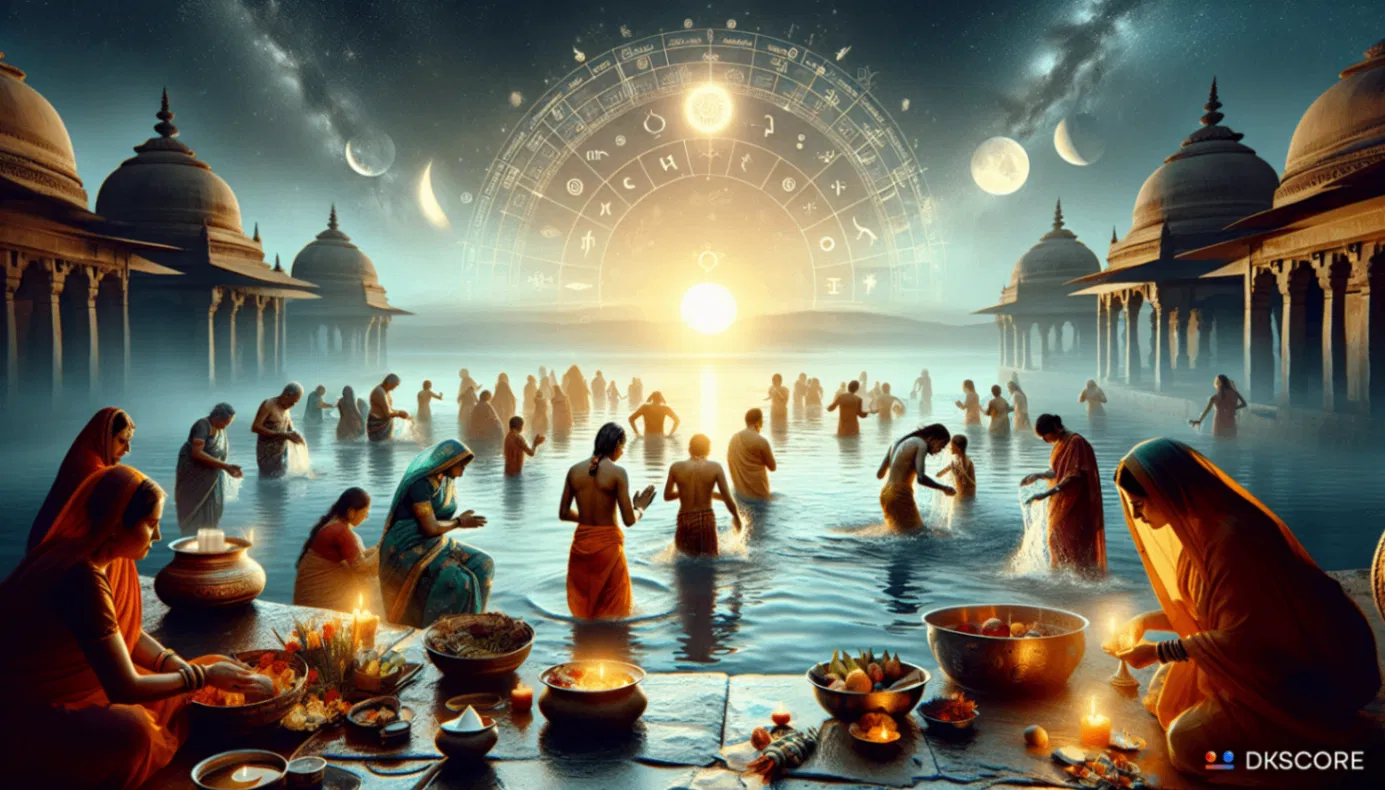
Vedic astrology situates Magha Navratri within the Magha month, which is associated with the Magha nakshatra and the divine energies connected to ancestors and leadership. The nakshatra Magha itself is linked with Regulus, a bright star in the old computations, and is governed by the planet Ketu. The energies of Magha are often described as firm, purposeful, and transformative.

In astrology, this period is considered favorable for:

  • Deepening spiritual practices and self-discipline.
  • Prayers for protection and guidance in new endeavors.

Practical astrological reflections for 2026:

  • Mercury, Venus, and Jupiter transits around this time can influence home life, learning, and prosperity. If these planets are in favorable signs, you may experience harmony in family rituals and education projects.
  • Ketu’s influence invites inner transformation—address patterns that no longer serve you, especially around anger, attachment, or ego. Navratri offers a structured path for such changes through ritual practice and mindful intention.
  • Auspicious days are often identified by a combination of tithi (lunar day), nakshatra, and yoga. Consulting a local astrologer or trusted Panchang can help you pick auspicious timings for ceremonies and new undertakings during Magha Navratri 2026.

Importantly, astrology is a guide, not a constraint. The essence of Magha Navratri remains practical: cultivate virtue, support others, and focus on spiritual growth.

Magha Navratri 2026: Astrological Insights

Beyond general planetary influences, several key insights are commonly discussed during Magha Navratri:

  • The period invites alignment of inner goals with outer actions. The nine days support a disciplined routine that can create lasting changes in habits.
  • The goddess’s energies are believed to clear obstacles and offer protection for families and enterprises during the new year cycle.
  • Because Magha is linked with ancestral energies, prayers and acts of gratitude for ancestors can have a powerful symbolic and practical impact on present life.
  • Charity and helping those in need are emphasized, aligning with the broader cosmic energy of giving and reaping blessings.

For individuals and households, these insights translate into concrete practices: formal puja, structured vrat, daily reflection, and acts of service. Astrology supports a mindful frame of mind rather than prescribing rigid rules.

Rituals and Practices of Magha Navratri 2026

The core rituals of Magha Navratri are practical, attainable, and broadly similar across communities, with local flavor. Here is a comprehensive guide to the main practices:

  • Fasting and Diet: Many observers adopt a vrat (fast) during all nine days or on select days. Common practices include fruit-only days, milk or dairy-based vrat, or light satvik meals. Hydration is important, and people with health conditions should follow a safe plan (consult a physician or elder in the family).
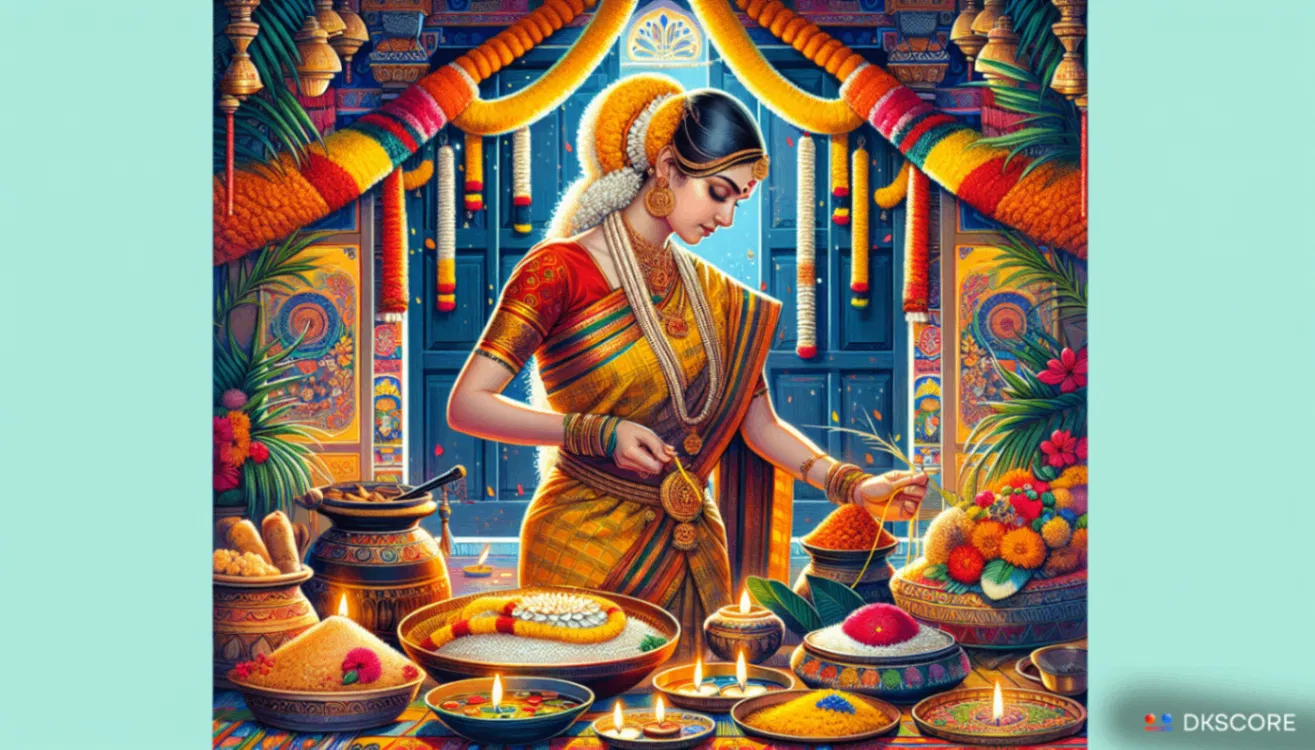
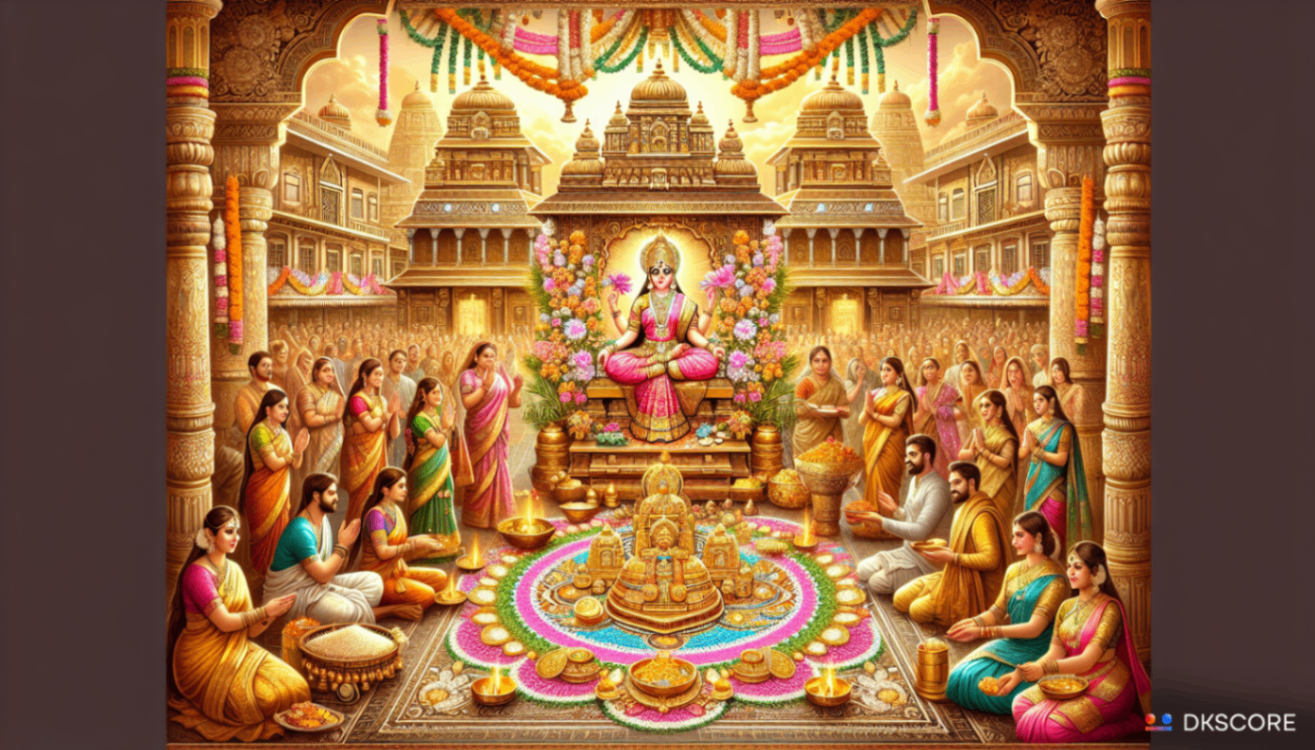
  • Kalash and Puja Setup: A sacred Kalash (pot) with coconut and mango leaves is placed at home or in the temple shrine. This symbolizes the goddess’s presence and invites her blessings into the space.
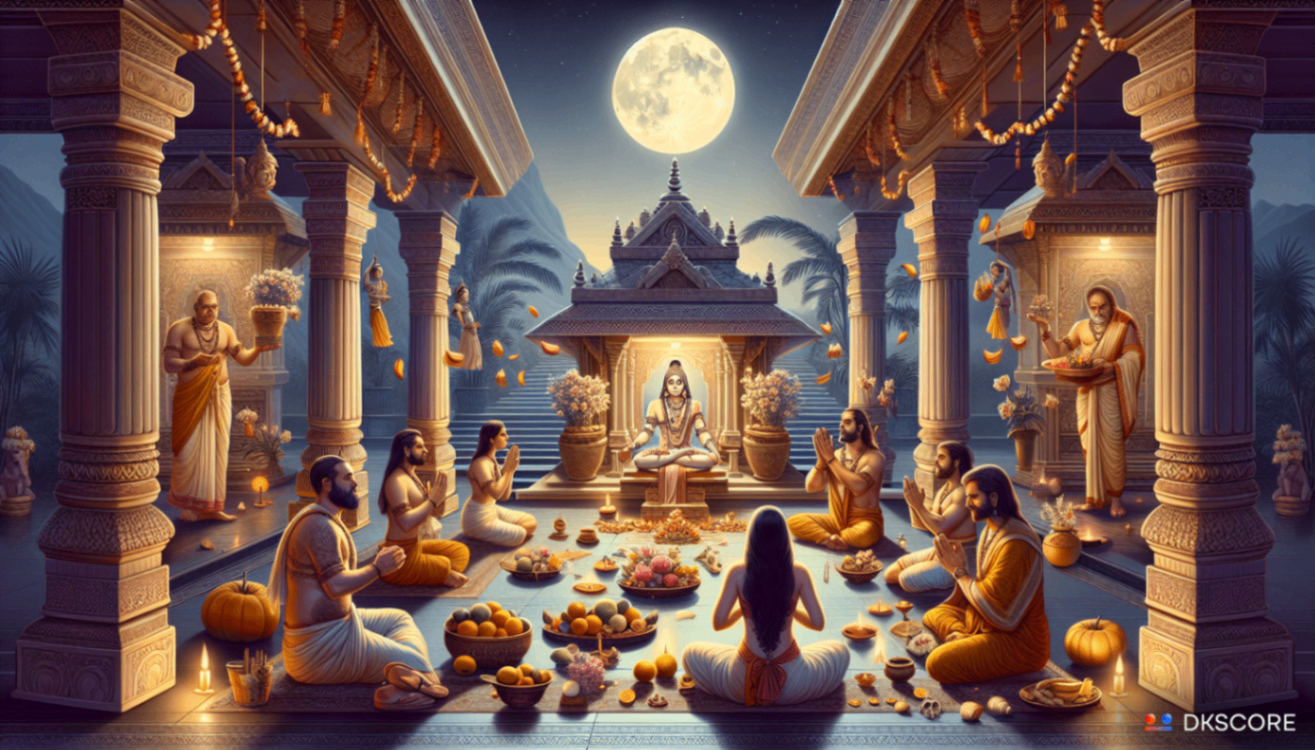
  • Daily Puja and Aarti: Each day features a puja with offerings (bilva leaves, incense, flowers, fruits), aarti, and bhajans. The specific Durga form venerated each day may vary by tradition, and some families recite the Nav Durga mantras or verses from Durga Saptashati (Chandi Path).
  • Nav Durga Worship: Nine days may be assigned to nine forms of Durga. Devotees read stories, perform small homas (fire rituals) where feasible, and sing devotional songs that emphasize courage, wisdom, and compassion.
  • Rangoli and Decoration: Homes and temples are decorated with rangoli or kolam patterns, marigolds, and lamps. Colors associated with each form of Durga may inspire daily décor choices.
  • Charitable Acts: Feeding the hungry, distributing clothes or essentials, and other acts of seva are encouraged as a practical expression of divine grace.
  • Sankalpa and Community Rituals: Many communities make formal sankalpa (resolved intention) to uphold ethics, undertake study, or improve personal health and family well-being during Navratri.

Health considerations and inclusivity:

  • Adults with medical conditions should tailor fasting to their health needs and consult professionals if necessary.
  • Children and seniors can participate through scaled-down rituals, storytelling, and devotional singing.
  • Eco-friendly practices—avoid disposable plastic, use natural colors for rangoli, and minimize water waste—help align the festival with sustainable living goals.

Health and Spiritual Benefits of Magha Navratri 2026 Rituals

The rituals of Magha Navratri offer a blend of physical, mental, and spiritual benefits. While personal experiences vary, several benefits are commonly reported by practitioners:

  • Daily routines, prayer, and mantra repetition help quiet the mind and sharpen attention.
  • Gentle fasting can promote disciplined eating patterns, better digestion, and a sense of lightness when done mindfully and safely.
  • Regular prayers, singing, and community sharing often reduce stress and foster gratitude, compassion, and resilience.
  • The nine forms of Durga symbolize different virtues; invoking these energies can nurture courage, patience, and wisdom in daily life.
  • Temple gatherings, family rituals, and community service strengthen social ties, which support emotional well-being.

Practitioners report that sustained practice during Magha Navratri often leads to a deeper sense of purpose, better self-control, and a renewed commitment to family and community service.

Mantra Chanting During Magha Navratri 2026

Mantra chanting is a central component of Navratri rituals. It focuses the mind, connects with the divine, and deepens devotion. Here are practical guidelines and sample mantras to support your practice:

  • Daily routine: Choose a quiet, clean space. Sit comfortably, breathe deeply, and begin with a short invocation to invite peace and focus. Many practitioners chant for 15–30 minutes each morning or evening, or count japa (repetitions) using a mala of 108 beads.
  • Common mantras for Durga/Nav Durga: These are widely used and can be chanted in a pleasant, clear voice. If you are unsure of pronunciation, seek guidance from a teacher or reliable audio resources to ensure accuracy.

Sample mantras (with general usage):

  • Durga Mantra (general invocation): Om Dum Durgayei Namah. This is a popular, versatile Durga invocation for protection and blessing.
  • Ya Devi Sarva Bhuteshu: Ya Devi Sarva Bhuteshu Shanti Rupena Samsthita, Namastasye Namastasye Namastasye Namaha. This verse honors the goddess in all beings and invites calm, compassionate energy.
  • Chandi Chamundi Seed Mantra (for focused devotion): Om Aim Hreem Kleem Chamundaye Vicche. This seed mantra supports a strong, focused meditative practice and fosters courage.
  • Shanti Mantra (peace): Om Shanti Shanti Shanti. A simple, universal chant that fosters inner peace after prayers.

Practical tips for mantra practice:

  • Start with a short, easy duration and gradually extend as your comfort grows.
  • Maintain correct posture, a soft gaze, and a reverent attitude toward the practice.
  • Use a clean mala and keep count with subtle finger movements to maintain rhythm.
  • Record your progress in a journal, noting any insights, emotions, or shifts in focus.

Important note: Always ensure you are using authentic, properly pronounced mantras from reliable sources or a qualified teacher. If possible, learn short verses in your mother tongue to strengthen comprehension and resonance.

Magha Navratri 2026 in Modern Times

In modern life, Magha Navratri blends tradition with practicality. Here are some ways the festival adapts to contemporary living while preserving its essence:

  • Temples organize special pujas, kirtan, and yajnas. Community kitchens (langars) or prasad distribution is common, sometimes with online streaming for wider participation.
  • Many temples offer live streams of puja, bhajans, and discourses. Social media shareable content helps families stay connected, especially those living abroad.
  • Eco-friendly decorations, natural rangoli colors, and minimal waste are increasingly emphasized to honor both tradition and environmental responsibility.
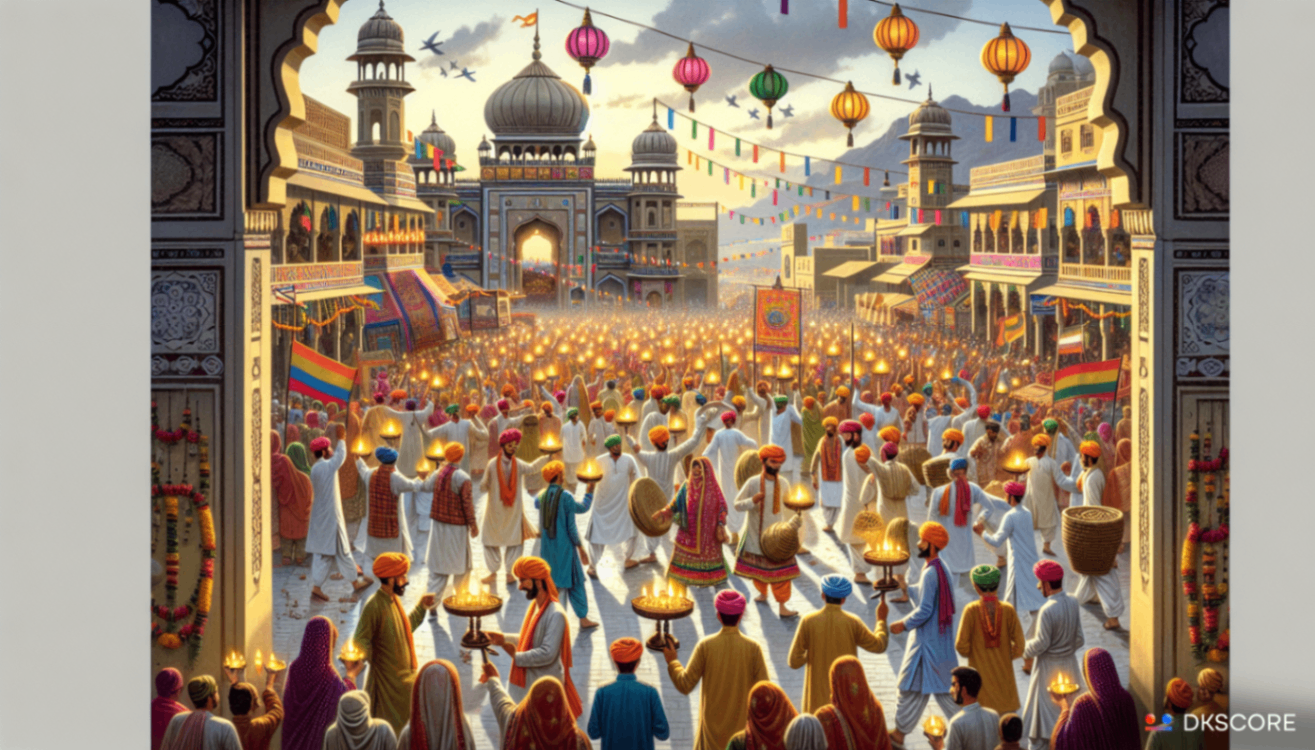
  • While the core devotion remains the same, states across India—and the global Indian diaspora—bring color through local songs, languages, dances, and recipes that reflect regional customs during Magha Navratri.
  • Busy urban schedules can be balanced with simple, meaningful daily practices—short prayers, a family aarti, and shared storytelling about the goddess’s forms and virtues.

Cultural programs during Magha Navratri often include music concerts, dance performances, puppet shows for children, and storytelling sessions that convey the festival’s mythic themes. Communities increasingly emphasize inclusivity, inviting people from all backgrounds to participate and learn.

Regional variations provide a vibrant tapestry of practices:

  • Durga Puja and Navdurga rituals with emphasis on household devotion and temple ceremonies, sometimes including processions and bhajan evenings.
  • Western India (Maharashtra, Gujarat): A mix of domestic pujas and temple ceremonies, with festive foods, cultural programs, and community seva projects.
  • Eastern India (Bengal and Odisha): Strong traditions of Durga devotion, songs, and elaborate ritual offerings; sometimes paired with regional fairs and storytelling.
  • South India: A blend of Durga forms with local ritual flavors, temple-centered celebrations, and classical music or dance performances.

Conclusion

Magha Navratri 2026 offers a meaningful opportunity to pause, reflect, and act with compassion. By honoring the nine facets of the goddess, practitioners cultivate courage, wisdom, and discipline. The festival’s rituals—fasting, Kalash worship, daily puja, mantra chanting, and charitable acts—create a structured path for personal growth and community service.

Whether you observe quietly at home, attend temple ceremonies, participate in community events, or share stories with younger generations, Magha Navratri connects the ancient with the modern. It invites a conscious reordering of priorities, a commitment to health and well-being, and a spirit of generosity that benefits families, neighborhoods, and societies at large.

As you plan Magha Navratri 2026, consider a balanced approach that honors tradition while embracing contemporary life. Confirm local dates with panchang, prepare a practical vrat plan, engage with the nine forms of Durga through study and devotion, and extend the festival’s blessings through acts of service. In doing so, you keep the heart of the festival alive—an auspicious, uplifting, and inclusive celebration of divine feminine energy.

Charity and Donations

Joy Stories Foundations

Joy Story Foundation is a section-8, non-profit organization founded in November 2019, registered with Ministry of Corporate Affairs, Government of India. It aspires to build stories around “Joy for Everyone” by practicing the values of collective philanthropy and by maintaining utmost transparency in order to achieve it. Our vision is to ensure that we do our bit to free the world of gloom, sorrow, deprivation, pessimism, and pain by inducing small positive moments to bring joy in the world. And we would go to any extent to achieve that, irrespective of geographical boundaries, religion, age, color or need. Our giving would be completely unbiased, non- religious and non-political.

Have doubts and need help?

Check out our Frequently Asked Questions to find the answers. But hey, if your doubts still persist, we are only a demo call away!

Frequently Asked Questions

What are the do's and don'ts to follow during Magha Navratri 2026?

Do's include: wake up early, bathe, wear clean traditional clothes; perform Navratri or Durga puja with a lamp, flowers and offerings; chant Durga mantras or read Durga Saptashati; observe a vrat as per family/temple guidance and keep a sattvic diet (fruits, milk, nuts, and allowed grains if your vrat permits); donate to charity and practice kindness. Don'ts include: avoid non-vegetarian foods, alcohol and tobacco; avoid gambling, anger and harsh speech; avoid heavy or non-sattvic foods; and if you follow a strict vrat, avoid onions, garlic and grains. Note: specific practices vary by tradition and calendar; check your local temple or family guidelines for Magha Navratri 2026 dates and rules.