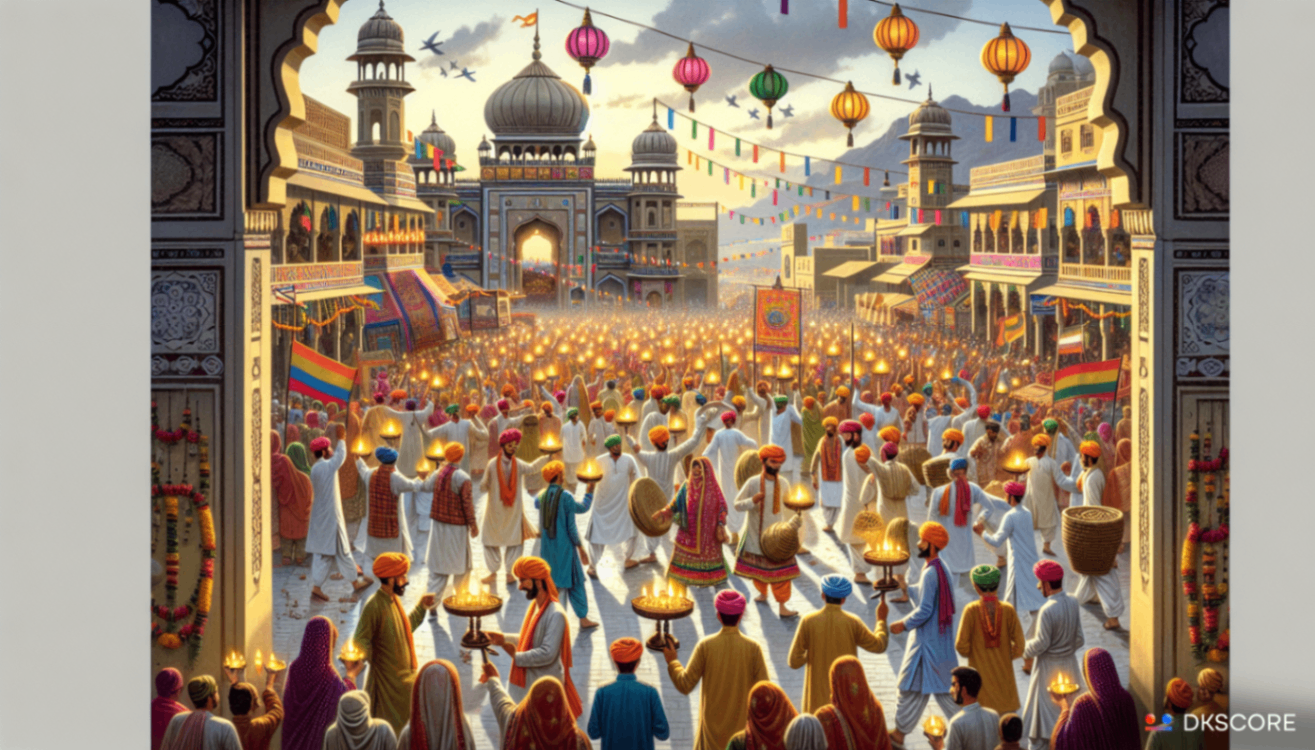
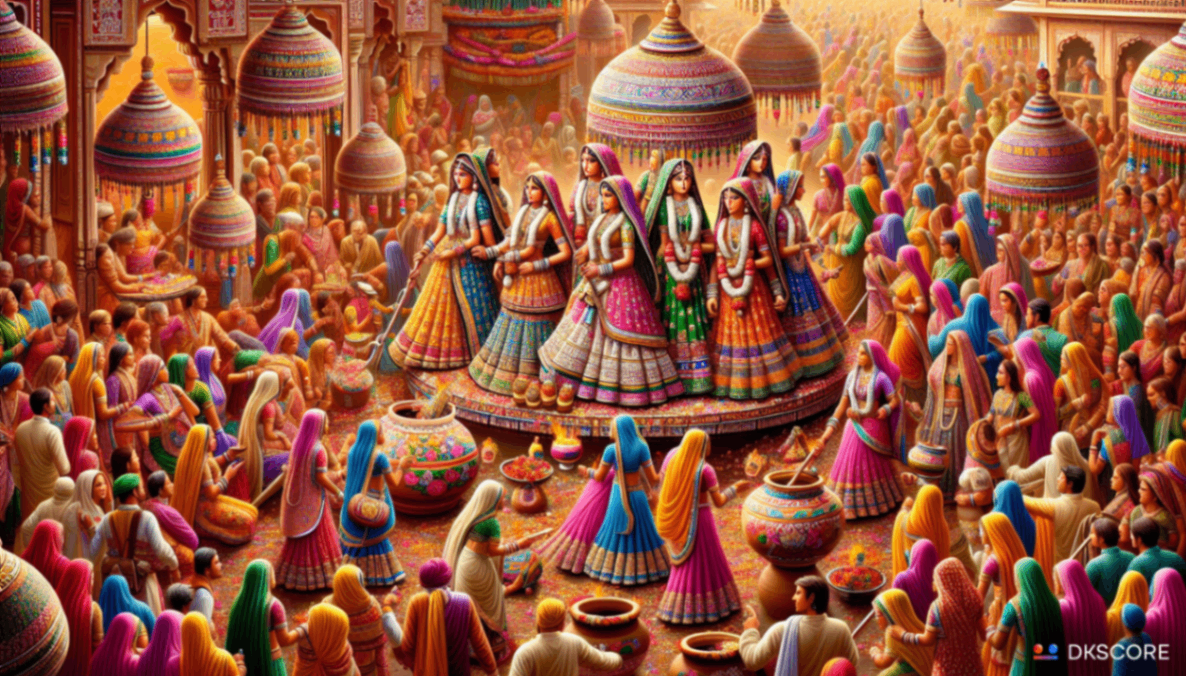
Mauni Amavasya is one of the quietest yet most meaningful days in the Hindu calendar. It centers on silence, purification, and deep spiritual practices. This article offers a comprehensive view of Mauni Amavasya 2026—its significance, timing, mythic roots, astrological insights, rituals, health and spiritual benefits, mantra chanting, and how modern communities observe the festival with respect and mindfulness.
Understanding the Significance of festival Mauni Amavasya 2026
Mauni Amavasya marks a powerful moment of inner stillness and disciplined practice. The word “Mauni” means silence, and “Amavasya” denotes the new moon day when the Moon is not visible in the sky. Together, these aspects create a special opportunity to quiet the mind, suspend ordinary talk, and focus on spiritual disciplines. Devotees across India observe Mauni Amavasya with vows of silence (mauna), fasting, and reflection. The day is seen as a doorway to deeper meditation, heightened focus in prayers, and a chance to reset one’s relationship with the external world.
The festival is not bound to a single, uniform ritual recipe. Different regions emphasize distinct practices that honor local traditions, temples, rivers, and sages. Still, the core intention remains universal: to step back from everyday noise, cultivate patience, and reorient one’s life toward dharma (righteous living), self-control, and devotion. For households, temples, and ashrams, Mauni Amavasya provides a touchstone for family rituals, charitable acts, and communal worship that can be carried forward into the year ahead.
Beyond individual devotion, Mauni Amavasya is often connected to river bathing, shraddha rites for ancestors, and the gathering of pilgrims at holy sites. In this way, the festival links personal inner transformation with communal acts of auspiciousness and spiritual renewal. In 2026, the observance continues to encourage both traditional participation and mindful modern remembrance—an invitation to balance ritual reverence with everyday ethics and compassion.
Mauni Amavasya 2026 Date and Timing
The date of Mauni Amavasya is anchored in the lunar calendar (tithi) and Magh (Magha) month. Because Amavasya occurs when the moon is invisible, regional panchangams (almanacs) can place Mauni Amavasya on slightly different days across states. As a result, you may see small variations in the observed date from one locale to another. In 2026, Mauni Amavasya is expected to fall in late January to early February, during the Magh Amavasya window observed by many communities. Some calendars place it toward the end of January, while others observe it in early February. The exact date is best confirmed with a trusted local panchang or temple calendar for your area.
Timing considerations for Mauni Amavasya are also locale-specific. The day is often observed from early dawn to night, with common rituals performed in the morning and late afternoon. Many families begin the fast before sunrise and break it at dusk or after completing key rites. When pilgrims gather at rivers or holy towns, the bathing, prayers, and sunrise-to-evening rituals follow local riverbank traditions, which can include multiple ritual dips, offerings, and recitations throughout the day.
Tips for planning around Mauni Amavasya 2026:
- Consult your local temple or a trusted Panchang for the exact date and muhurats in your region.
- If you plan to visit a riverbank site or temple town, arrange travel and accommodations well in advance due to seasonal crowds, especially near major pilgrimage hubs.
- Prepare for a day of quiet practice: carry a small mala for mantra japa, a notebook for reflections, and a simple sattvic meal plan if you observe a fast.
- Respect environmental guidelines when bathing in rivers—avoid littering, and participate in organized, safe bathing programs run by authorities or temple trusts.
In summary, Mauni Amavasya 2026 presents a flexible but spiritually potent occasion. The precise date and timings depend on regional lunar calculations, so local verification is essential. The overarching rhythm—dawn rituals, meditative practice, and evening reflection—remains a steady anchor for practitioners across communities.
Mythological Stories Behind Mauni Amavasya 2026
As with many Hindu observances, Mauni Amavasya is enriched by stories and beliefs that vary by region and tradition. While there is not a single canonical tale that defines Mauni Amavasya, several widely told narratives contribute to its sacred aura. Below are representative themes and regional legends that illustrate why this day holds special meaning for devotees:
Mythic Theme: The Power of Mauna (Silence) in Spiritual Practice
A common thread across many communities is the idea that silence is a powerful spiritual practice. Silence disciplines the mind, prevents needless speech that can lead to distraction or harm, and fosters inner awareness. In many stories, sages renounce speech to hear the deeper, subtler voice of consciousness. Mauni Amavasya is celebrated as an auspicious time to honor that discipline and to seek the same inner clarity through a vow of mauna of varying lengths—from a few hours to an entire day or more.
River and Ancestor Traditions: Honoring Greater Currents
Many pilgrims associate Amavasya with ritual offerings to ancestors and deities connected with water. In regions where rivers are central to daily life, the Amavasya bathing rite becomes a symbolic cleansing of past actions and a renewal of connection with the elemental forces that sustain life. While not every tradition ties Mauni Amavasya to a single myth, the belief that water embodies purity, renewal, and the flow of life encourages devotees to approach the day with reverence for both ancestors and the living world.
Regional Legends: Temples, Saints, and Local Lore
Several locales celebrate Mauni Amavasya with stories tied to temples, saints, or river confluences. In places where large crowds gather, the day becomes a living mythology—one in which the act of gathering, bathing, and praying is itself a ritual narrative about faith, patience, and humility. These regional legends enrich the festival by giving communities a shared mythos to recite and reflect upon each year.
Note: The mythic landscape of Mauni Amavasya is diverse. If you belong to a specific tradition or temple network, you may encounter unique stories about sages, rivers, and cosmic order that add personal resonance to the day. The essential takeaway across these stories is the invitation to step back from loudness, to listen deeply, and to align one’s inner life with a sense of timeless spiritual aspiration.
Vedic Astrology and Mauni Amavasya 2026
Vedic astrology (Jyotish) views Mauni Amavasya as a potent alignment of lunar and solar energies, with special resonance for inward focus and spiritual practice. Although astrology should never replace sincere devotion, it can offer useful guidance on the energetics of the day and how to align one’s actions with cosmic rhythms. Here are some key ideas often discussed by astrologers around Mauni Amavasya:
- New Moon Energies: Amavasya marks the Moon’s phase of invisibility. The mind’s reflective space is strongest around this time, making it favorable for meditation, quiet prayer, and introspection.
- Sun–Moon Interaction: The Sun and Moon’s relative positions influence mood, focus, and energy. Astrological practice often notes a natural emphasis on the inner light and spiritual pursuits during Amavasya, encouraging practitioners to seek clarity within rather than pursuing external outcomes.
- Nakshatras and Tithis: Specific lunar constellations (nakshatras) on or near Mauni Amavasya can color the day’s auspiciousness for different individuals. Practitioners may consult a local astrologer to select times for rituals or meditative practices that resonate with their birth charts.
- Mercury, Venus, and Jupiter Influences: The presence of these planets in certain signs around Amavasya can influence communication, spiritual study, and moral decisions. In general, a period marked by Chandra (Moon) with supportive planetary energies invites reflective study, scriptural reading, and service-oriented acts.
Astrological caution: Do not rely solely on astrology to plan important life decisions. Use it as a complementary lens—one that can remind you to slow down, choose wholesome actions, and align your daily rituals with inner intention. Mauni Amavasya offers a window to cultivate discipline, compassion, and mindful living, regardless of the planetary positions on a given year.
Mauni Amavasya 2026: Astrological Insights
Delving deeper into the astrological landscape of 2026, many practitioners view Mauni Amavasya as an opportunity to immerse in spiritual practices during a period of heightened inner resonance. The following insights are commonly discussed by Jyotish scholars when preparing for Mauni Amavasya:
- Spiritual Emphasis: The lunar phase of Amavasya naturally invites contemplation, scriptural study, and vows for self-purification. This is often seen as a favorable time to begin or renew meditation practices, yoga disciplines, and acts of seva (selfless service).
- Mindful Speech: Since Mauni Amavasya centers on silence, astrologers highlight reducing unnecessary talk, gossip, and negative speech. The idea is to conserve mental energy for higher states of awareness rather than dissipating it in casual chatter.
- Health and Rest: The quiet energy of the day can be seen as a natural invitation to rest, nurture, and gentle self-care. The body benefits from reduced stimuli, enabling deeper practice of breathwork or introspective meditation.
- Ritual Timing (Muhurat): For those performing dedicated rites, astrologers may suggest auspicious windows for mantra recitation, havan (sacred fire ritual), and offerings. Always consult a trusted astrologer or temple priest to identify region-specific muhurats.
While astrological insights can enrich the experience, the essence remains the personal vow to cultivate balance, humility, and compassion. A well-planned Mauni Amavasya in 2026 can serve as a launchpad for a calmer, more purposeful year ahead.
Rituals and Practices of Mauni Amavasya 2026
Rituals on Mauni Amavasya are varied, regional, and deeply personal. The common thread is a turn toward silence, self-control, and spiritual nourishment. Here is a comprehensive guide to the traditional and modern practices you may encounter or choose to observe in 2026:
1. Mauna (Silence) and Contemplation
The central practice is silence. Devotees may undertake mauna for a few hours, a day, or longer. Silence helps still the restless mind, reduce impulsive reactions, and create space for inner listening. During mauna, participants often limit phone use, external conversations, and noisy environments to preserve the sanctity of the day.
2. Fasting and Diet
Many observe a light fast or vrat (vows) on Mauni Amavasya. The fasting can range from abstaining from solid foods for part of the day to a full daylight or overnight fast. The focus is on sattvic, simple foods that support clarity of mind and inner calm. Hydration is important, especially if you perform activities outdoors or attend long temple rituals.
3. Sacred Bathing and River Dips
Bathing in sacred rivers or at temple tanks is a hallmark of many Mauni Amavasya observances. The bath is seen as cleansing the body and soul, washing away past misdeeds, and inviting divine grace. In crowded pilgrimage sites, guided bathing programs ensure safety and environmental responsibility, with careful attention to water quality and crowd management.
4. Tarpan and Shraddha for Ancestors
Performing tarpana (offering water to ancestors) and shraddha rites on Amavasya day acknowledges the lineage and gratitude for those who came before. In some communities, the shraddha rituals prevail on this Amavasya as part of wider ancestral remembrance during the Magh season.
5. Pooja, Aarti, and Recitation
Devotees typically visit temples or set up a home shrine to recite mantras and read scriptures such as the Bhagavad Gita, the Upanishads, or the Ramayana. Common mantras include Om Namah Shivaya, the Gayatri Mantra, and the Mahamrityunjaya Mantra. Chanting is often performed in a quiet, focused manner, usually 108 times or for specific durations determined by the practitioner.
6. Seva (Service) and Charity
Compassionate acts—feeding the hungry, donating clothes, helping elders, or participating in community service—are powerful expressions of Mauni Amavasya. These acts extend the inner transformation to the outer world and help cultivate empathy and generosity.
7. Scriptural Study and Reflection
A reflective day can include reading devotional literature, listening to discourses, or journaling insights gained through meditation. Many communities arrange short lectures or satsangs that emphasize self-discipline, ethical living, and mindfulness.
8. Special Observances at Temples and Pilgrim Centers
Major temples near rivers and at sacred sites often host disciplined schedules for bathing, prayers, and cultural programs. If you plan to participate at a renowned site, check official notices for crowd management, accessibility, and safety guidelines.
Practical note: plan according to your health, climate, and personal limits. Mauni Amavasya invites a more introspective pace, not a performance. Gentle pacing, clear intention, and safety come first, especially in crowded or outdoor settings.
Health and Spiritual Benefits of Mauni Amavasya Rituals
While the primary aim of Mauni Amavasya is spiritual growth, many participants report physical, mental, and emotional benefits from mindful practice. Here are some commonly described health and spiritual gains associated with Mauni Amavasya rituals:
- Mental Clarity: Reducing speech, social media use, and excessive stimulation helps calm the nervous system, supporting better concentration, focus, and inner listening.
- Stress Reduction: Quiet contemplation and light dietary adjustments can lessen anxiety and improve mood stability for some people.
- Digestive Reset: A simple, sattvic diet and time-limited eating windows can give the digestive system a rest, often resulting in improved energy and comfort.
- Inner Discipline: The practice of mauna and ritual restraint fosters self-control, which can carry over into daily life, improving decision-making and impulse management.
- Spiritual Alignment: Regular acts of devotion, gratitude, and service create a sense of purpose and belonging, reducing existential stress and promoting emotional balance.
- Ethical Renewal: The emphasis on non-harm, compassion, and mindful speech reinforces ethical behavior, which in turn strengthens social harmony and personal dignity.
Important note: individual experiences vary. If you have medical or psychological concerns, consult a healthcare professional before undertaking extended fasting or intense meditation. The aim is steady, gentle progression toward well-being, not hardship.
Mantra Chanting During Mauni Amavasya 2026
Chanting mantras is a central practice on Mauni Amavasya. The goal is to steady the mind, purify intention, and invite divine presence into daily life. Here are commonly used mantras, along with practical guidance for practice in 2026:
- Om Namah Shivaya: A classic invocational mantra to Lord Shiva, associated with inner strength, purification, and transcendence. Repeat 108 times or for a set duration (e.g., 15–30 minutes) in a quiet space.
- Gayatri Mantra: A universal prayer for illumination and wisdom. Gentle, precise recitation helps focus the mind and invite clarity of thought. Aim for 54 or 108 repetitions in a session.
- Mahamrityunjaya Mantra (Tryambakaya): A healing and protective chant for difficult times, often used in times of stress or illness. Recite 11, 21, or 108 times, depending on your capacity.
- Om Shanti Shanti Shanti: A short peace mantra that calms the breath and anchors the practitioner in a tranquil mood before or after longer chants.
- Other Devotional Chants: Depending on your tradition, you may include names of deities relevant to your family or community, such as Rama, Krishna, Lakshmi, or Saraswati, in your evening or dawn rounds.
Chanting tips for 2026:
- Use a mala with 108 beads or a simple counting method to sustain focus without rushing.
- Maintain a relaxed, upright posture and a comfortable breathing rhythm to avoid strain.
- Choose a quiet space with minimal interruptions. If you attend a temple program, participate with reverence and attentiveness.
- Combine chanting with breath awareness (ujjayi or natural breathing) to deepen concentration.
Mauni Amavasya 2026 in Modern Times
In today’s fast-moving world, Mauni Amavasya adapts to contemporary life while preserving its core intent. Here are ways the festival is observed in modern times, along with practical considerations for participants and communities:
Urban and Rural Balance
In urban centers, families may observe Mauni Amavasya at home, in neighborhood temples, or in quiet meditation spaces within schools or workplaces. Rural and temple-town communities often organize large river or temple gatherings that resemble traditional pilgrimages, but with modern security and crowd management protocols. The balance between intimate home practices and public devotion reflects the festival’s universal message: stillness inside, service outside.
Digital Connectivity and Reminders
Many communities share devotional reminders online, stream satsangs, or publish guided chants for Mauni Amavasya. While technology can support spiritual practice, the emphasis remains on mindful use—soliciting fewer distractions, engaging with compassionate content, and cultivating quieter forms of communication during the observance.
Education, Family, and Intergenerational Connection
Mauni Amavasya offers an ideal occasion to introduce children and young adults to the idea of inner discipline, welcome questions about spirituality, and foster respectful behavior toward elders and seekers. Families can create simple rituals, such as short shared meditations, a quiet read-aloud of a devotional text, or a gentle walk to a nearby temple or park in the early morning.
Environmental and Social Considerations
There is growing emphasis on environmental stewardship during river bathing and temple gatherings. Organizers encourage waste reduction, proper disposal of offerings, and safe bathing practices. Civil authorities and temple trusts increasingly coordinate volunteer safety teams, medical camps, and water-quality monitoring to protect participants and the ecosystems around sacred sites.
Modern celebrations still honor the festival’s timeless values—self-control, compassion, humility, and gratitude—while integrating inclusive, responsible practices that respect both personal health and the environment.
Conclusion
Mauni Amavasya 2026 invites us to slow down, listen inward, and renew our commitments to spiritual growth, ethical living, and service to others. The day’s emphasis on silence is not merely about avoiding speech; it is a doorway to deeper listening—listening to the heart, listening to the divine, and listening to the needs of fellow beings. Whether you observe Mauni Amavasya through fasting, river bathing, mantra chanting, or quiet reflection at home, the festival provides a structured moment to recalibrate priorities, reframe intentions, and cultivate a life that aligns with inner peace and outward kindness.
As communities prepare for Mauni Amavasya 2026, the true reward lies in carrying its lessons beyond the day itself: in how we speak, how we listen, how we treat others, and how we nurture the planet we share. May this Mauni Amavasya bring clarity, compassion, and renewed purpose to all who observe it—today, tomorrow, and in the year ahead.