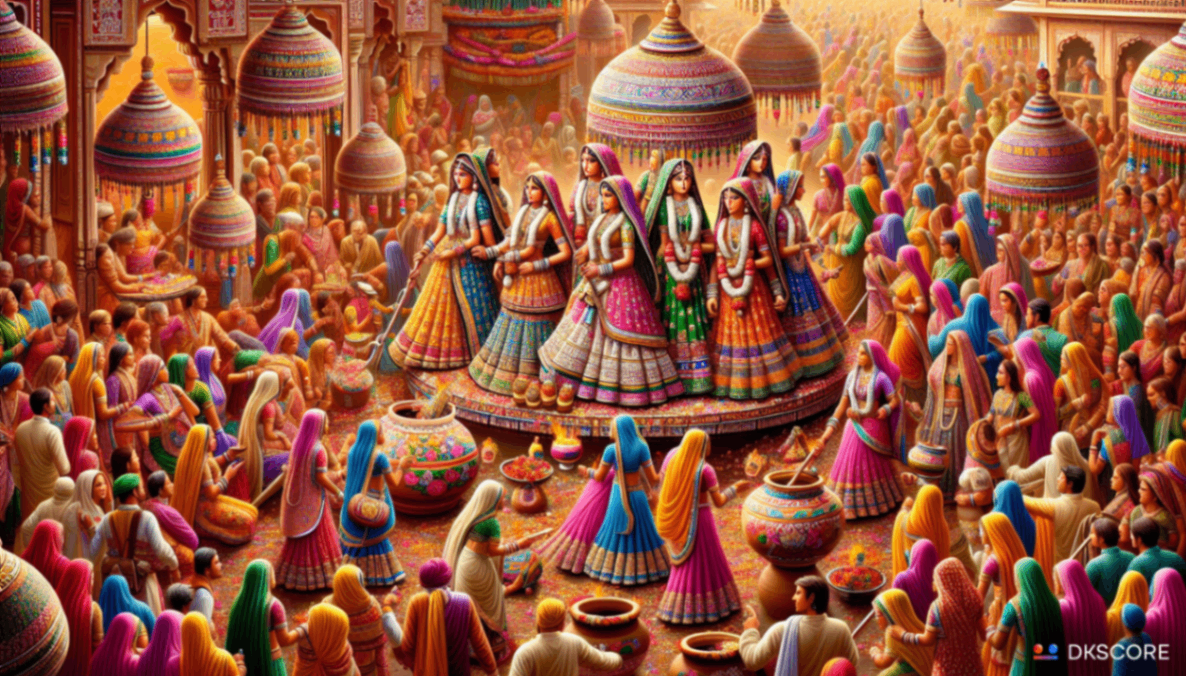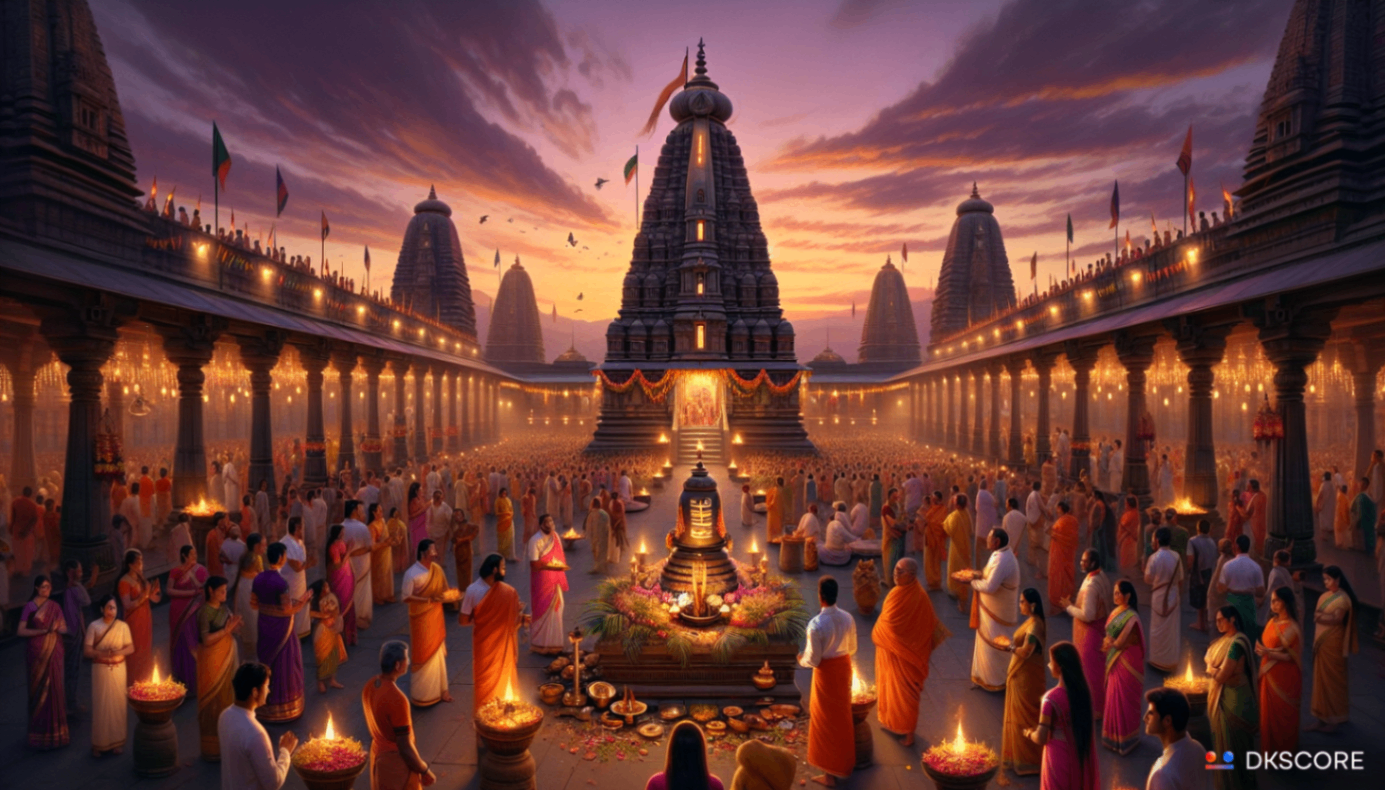
Observed during the twilight period (Pradosh Kala). Pradosh Vrat is observed to seek the blessings of Lord Shiva for prosperity, well-being, and the removal of sins. It is celebrated during the twilight period (Pradosh Kaal) on the 13th day of the lunar fortnight.
Pradosh Vrat is a revered observance in the Hindu calendar that centers on devotion to Lord Shiva and Goddess Parvati. The vrat is observed on Trayodashi, the 13th day of both lunar fortnights (Shukla Paksha and Krishna Paksha), during the twilight period called “Pradosh”—the time when day begins to merge into night. In 2026, the observance of Pradosh Vrat continues to be a meaningful ritual for families, communities, and temples, blending ancient tradition with contemporary life. This article provides a detailed guide to the festival’s significance, dates and timing, mythological stories, astrological insights, rituals, health and spiritual benefits, mantra practices, and how Pradosh Vrat is celebrated in modern settings.
The Pradosh Vrat holds a special place in the devotional calendar for several reasons. First, it emphasizes the idea of balance—the moment when day and night meet is seen as a symbolic window for focused prayer. Practitioners believe that observing the vrat during this auspicious Pradosh window invokes the blessings of Lord Shiva for protection, harmony, and spiritual progress. The vrat is also linked to Parvati, the divine feminine principle, and to the idea of family welfare, domestic peace, and the well-being of the household.
Beyond personal devotion, Pradosh Vrat is a cultural event that brings families together. In many households, the day becomes a time for storytelling, recitation of scriptures, shared meals after the fast, and mindful reflection on one’s duties toward loved ones and the community. The vrata can be observed in various ways—some keep a strict fast, while others adopt a partial fast or observe a day-long puja with Pradosh prayers. Regardless of the level of formality, the central intention is to seek Lord Shiva’s grace through reverent, disciplined practice.
The festival also offers an opportunity to learn and share. Temples curate Pradosh-oriented kirtans, readings from the Shaivite scriptures, and programs for children to introduce them to the values of devotion, humility, and gratitude. For many practitioners, the vrat functions as a yearly reminder to slow down, connect with family, and reflect on one’s responsibilities in the home and community.
The dating of Pradosh Vrat depends on the Hindu lunar calendar, so the exact Trayodashi dates shift each year and vary by locale. In 2026, as in every lunar year, there are two Pradosh Vrat opportunities each lunar month—one on Shukla Paksha Trayodashi (the bright fortnight) and one on Krishna Paksha Trayodashi (the dark fortnight). Each observance occurs on the Trayodashi day, with the Pradosh period extending from sunset to roughly two muhurtas after sunset.
Key points to remember about timing:
In 2024, many families observed Pradosh Vrat with similar timing patterns. The comparison across years shows the same core structure—Trayodashi in both Pakshas, the Pradosh window, and a puja that honors Shiva and Parvati. The main differences come from exact dates and the precise sunset-to-sunset or sunset-to-Moonrise windows in a given city. The takeaway is to verify the calendar for your place and plan the puja accordingly.
Practical guidance for planning:
Mythology surrounding Pradosh Vrat varies by region and scripture, but several core themes recur across traditions. These stories emphasize devotion, humility, and the transformative power of sincere prayer during the Pradosh moment. Here are commonly shared narratives that devotees recount or read during the vrat:
A widely told motif is the symbolic significance of Pradosh—the moment when day and night meet. In many tellings, this is the most auspicious time to call upon Shiva because it represents balance and cosmic harmony. Worship performed in this window is said to connect the devotee directly with Shiva’s transcendental form, allowing sincere prayers to reach the divine more readily. The ritual emphasis on timing reinforces discipline and mindfulness, turning the practice into a daily spiritual habit rather than a merely ceremonial act.
A popular tradition among Shaiva households is to recite or listen to the Pradosh Katha, a narrative found in various Shaivite sources, often attributed to the Skanda Purana or regional adaptations. The Katha typically tells of a seeker who, by observing the Pradosh vrat with devotion and reciting the story, earns Shiva’s blessings—often in the form of protection, prosperity, or spiritual clarity. The moral centers on faith, perseverance, and the belief that even ordinary acts, performed with pure intention, can attract divine grace.
In different parts of India, local legends attach to Pradosh Vrat. Some districts tell of families who observe the vrat for the welfare of their children, others speak of healing and restoration of harmony within the home after a period of upheaval. Families also add child-friendly elements, such as telling shorter Pradosh tales, singing bhajans, or performing a simple, age-appropriate puja for children.
Across mythological stories, a common thread is clear: sincerity in devotion matters more than ritual formality. The Pradosh period is treated as a special doorway—one that invites the devotee to reflect on what truly matters, such as gratitude, compassion, and the welfare of one’s family and community. This is a timeless message that resonates with spiritual practice across generations, including in modern times.
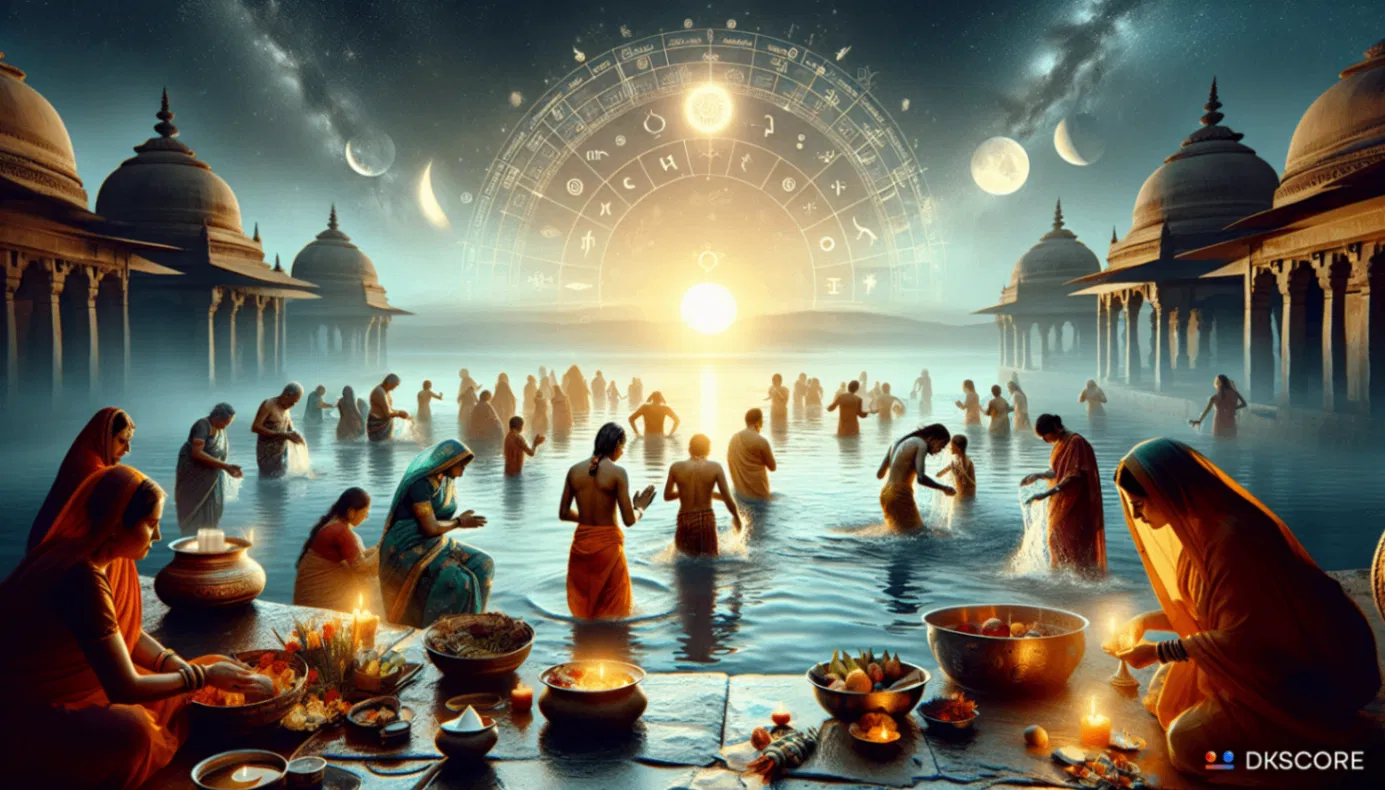
Astrology has long played a role in determining auspicious timings for spiritual practices. When planning Pradosh Puja, many practitioners consult the positions of the Moon, the planets, and the nakshatras (lunar constellations). The Pradosh window is believed to be especially powerful on days when the Moon’s position harmonizes with the planetary energies and the lunar fortnight supports devotion.
Key astrological ideas that commonly influence Pradosh Vrat:
Observers often compare Pradosh Vrat experiences across years to understand how celestial configurations influence the ritual’s impact. While individual experiences vary, several general patterns emerge in astrological discussions:
It is important to interpret these insights with humility. Astrology offers guiding energies, but personal devotion, family circumstances, and sincere intention remain the core of Pradosh Vrat. If you wish to explore how specific planetary configurations correspond to a given year, consult a trusted astrologer who can review your birth chart and local panchang data for the exact dates in your region.
The rituals of Pradosh Vrat can be simple or elaborate, depending on family traditions, temple customs, and personal preference. Here is a practical, comprehensive guide to typical Pradosh Puja practices that many households and temples follow.
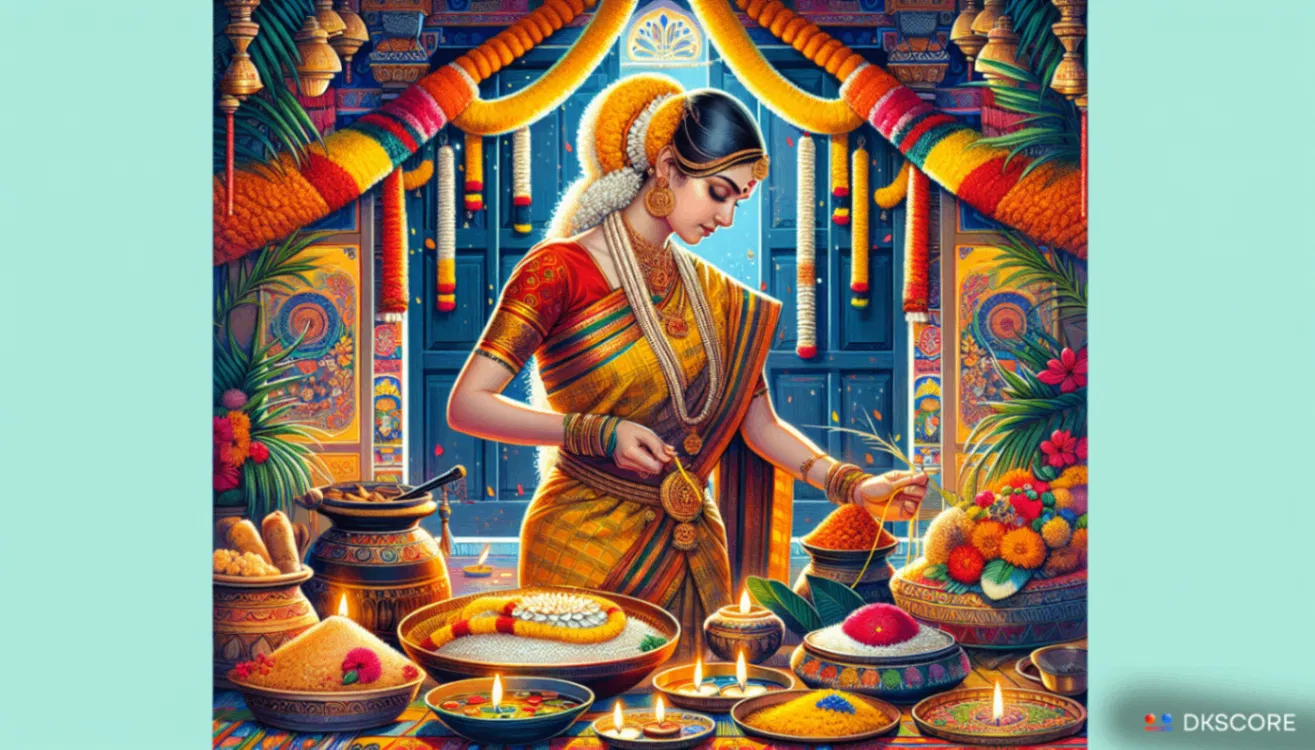
Preparation starts a day or two before the vrat. Cleanliness, a calm environment, and a dedicated prayer space set the tone for devotion. Common preparatory steps include:
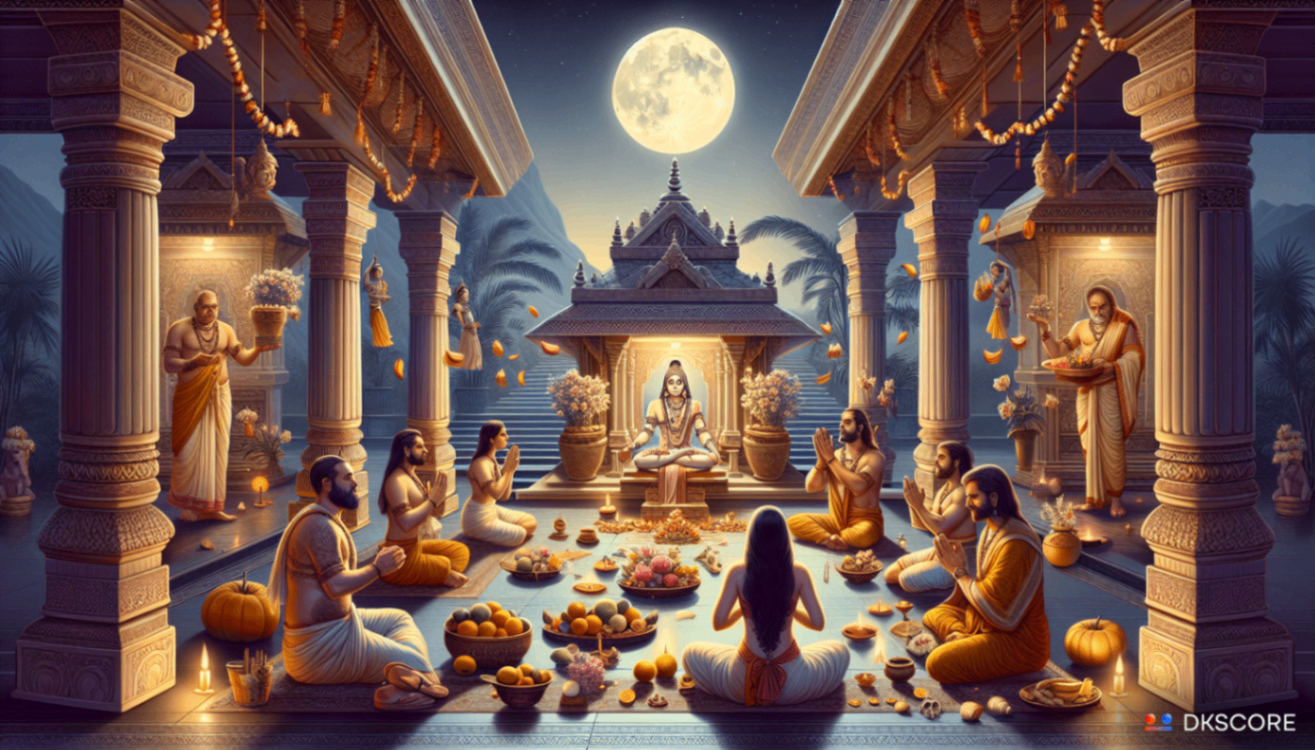
The main puja typically unfolds after sunset. A common sequence is as follows:
Many families read or listen to the Pradosh Katha from scriptures or regional retellings. Reading a short version of the story aloud can help children and guests connect with the spiritual meaning of the vrata. If possible, involve everyone in simple bhajans or a short kirtan in praise of Shiva and Parvati.
The Bilva or Bel tree leaves are considered sacred to Shiva. Placing bel leaves on the Shivalinga is a common and symbolic practice. Other offerings typically include milk, curd, honey, jaggery, water, and sometimes cooked lentils or rice preparations as naivedya. Food offerings remind participants of the connection between spiritual discipline and daily life.
Fasting is a central feature of Pradosh Vrat. Some devotees follow a strict vow not to eat anything until after the Pradosh window ends, while others observe a partial fast that permits fruits, milk, and water. For a family with children or seniors, a milder fast can be a sustainable entry point. The fast is typically broken after the puja concludes and the evening ritual concludes, often with a light, celebratory meal that remains respectful to the spirit of the vrat.
Observing Pradosh Vrat carries both physical and spiritual dimensions. Recognizing these benefits can help practitioners approach the vrat with clarity and gratitude.
While the physical benefits may vary from person to person, the broader spiritual impact—cultivating reverence, self-control, and compassion—often permeates daily life long after the vrat ends.
Chanting is a central practice during Pradosh Puja. Mantras are powerful tools that help focus the mind and invite divine presence into the space of worship. Here are some commonly used mantras and practices:
For beginners, a practical approach is to begin with a simple recitation of Om Namah Shivaya 11 or 21 times, followed by a short reading from the Pradosh Katha or a devotional text. Gradually, one can add the Mahamrityunjaya Mantra or longer kirtans as familiarity grows.
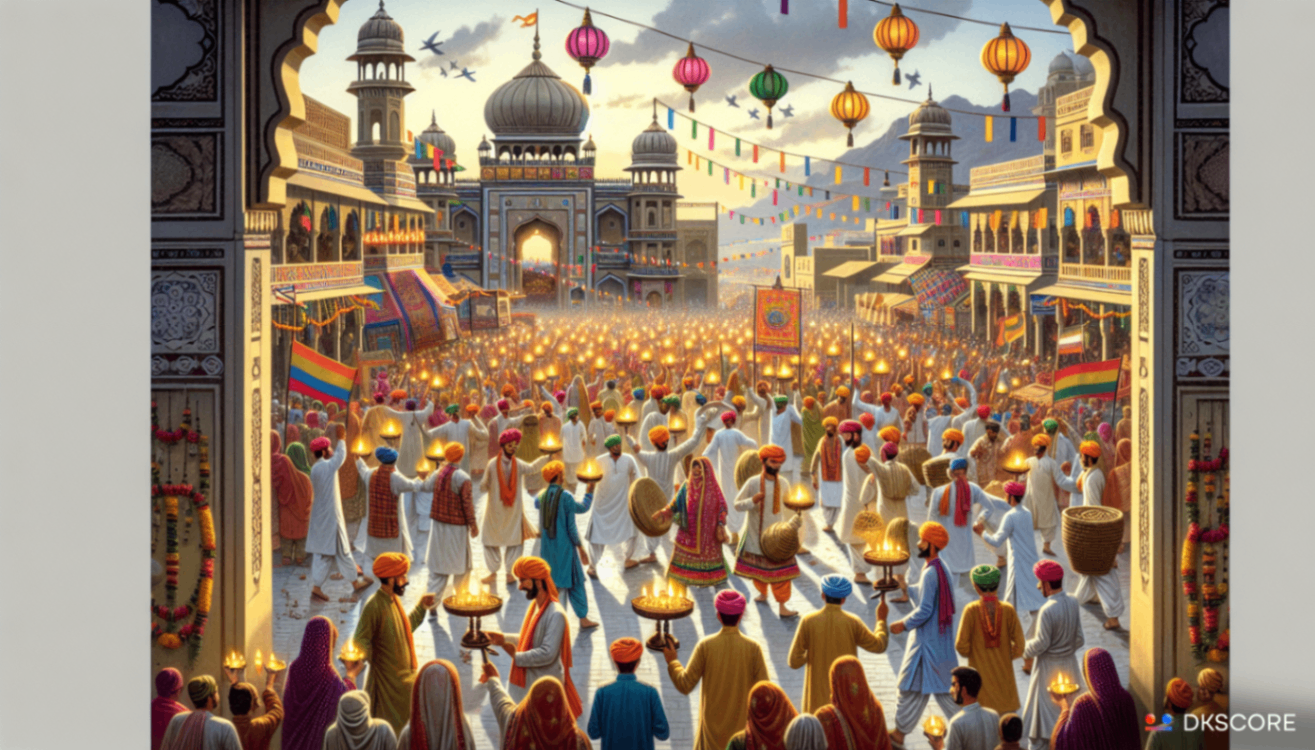
Modern life brings both opportunities and challenges to traditional observances. Pradosh Vrat remains meaningful in urban households, digital communities, and temple settings. Here are ways the festival is observed in contemporary times:
Pradosh Vrat 2026 presents a timeless opportunity to connect with a tradition that celebrates devotion, balance, and the transformative potential of sincere prayer. Whether you observe the vrat through a strict fast or a modest Puja, the core message remains the same: dedicate a portion of your day to reflection, cultivate compassion for family and community, and offer gratitude to the divine. The Pradosh window—sunset to two muhurtas after sunset—serves as a symbolic doorway to inner calm, spiritual clarity, and renewed intention for the year ahead.
Note: If you are planning Pradosh Vrat in 2026 and 2024, always verify the exact Trayodashi dates, sunset times, and temple schedules for your city. Local panchangs and temple announcements will give the most reliable guidance for timing and rituals.
Joy Story Foundation is a section-8, non-profit organization founded in November 2019, registered with Ministry of Corporate Affairs, Government of India. It aspires to build stories around “Joy for Everyone” by practicing the values of collective philanthropy and by maintaining utmost transparency in order to achieve it. Our vision is to ensure that we do our bit to free the world of gloom, sorrow, deprivation, pessimism, and pain by inducing small positive moments to bring joy in the world. And we would go to any extent to achieve that, irrespective of geographical boundaries, religion, age, color or need. Our giving would be completely unbiased, non- religious and non-political.
Check out our Frequently Asked Questions to find the answers. But hey, if your doubts still persist, we are only a demo call away!
Pradosh vrat is a Hindu fasting ritual dedicated to Lord Shiva and Parvati. It is observed on Trayodashi the thirteenth day of every lunar fortnight, both in Shukla Paksha and Krishna Paksha, so there are about 24 Pradosh vrat days in a year. In 2026 the exact dates depend on the lunar calendar and can vary by location, especially if Adhik Maas occurs. To know the precise dates for your area, consult a local Panchang. The vrat is usually kept from sunrise to Pradosh kaal, the period after sunset until night. Puja is performed in the evening with offerings to Shiva such as bilva leaves, flowers, incense and a lamp, along with recitation of Shiva mantras. The fast can be observed strictly without food or water, or with vrat friendly items like fruits and dairy, depending on family customs. Breaking the vrat is done after performing the evening puja and sharing prasad with family. Practicing devotees seek blessings for health, prosperity and spiritual purification. If you are new to Pradosh vrat, ask your temple priest or local calendar for the muhurat and the foods allowed in your tradition.
Pradosh Vrat occurs on Trayodashi (the 13th day) of every Hindu lunar fortnight. In 2026 there are two Pradosh Vrat days each month: one on Shukla Paksha Trayodashi and one on Krishna Paksha Trayodashi. The vrat is observed from sunset to next sunset. Exact Gregorian dates depend on the lunar calendar and local time zone; to get precise dates for 2026, refer to a Hindu calendar (Panchang) or a reliable online panchang for Pradosh Vrat 2026 for your region.
Observing Pradosh Vrat in 2026 can bring both practical remedies and spiritual benefits. Remedies to maximize its effects include: performing Pradosh Puja after sunset on Trayodashi with a Shiva Lingam, bilva leaves, flowers, dhoop and naivedya; observing a pure vegetarian fast with a strict vow if possible and breaking the fast after the puja; chanting Om Namah Shivaya or Mahamrityunjaya Mantra and reading Pradosh Katha or Shiv Puran; offering charity to Brahmins or to the needy and feeding the hungry; visiting a Shiva temple and keeping the vrat with discipline; maintaining cleanliness and avoiding non vegetarian foods and alcohol on the vrat day; practicing self control, calmness and devotion. Benefits include removal of obstacles and doshas, fulfillment of desires, protection from misfortune and improvement in health and prosperity; purification of mind and senses, spiritual progress, and enhanced devotion to Lord Shiva; better family harmony and blessings for long life and prosperity; accumulation of good karmic merit that supports future spiritual growth. In 2026 the dates of Pradosh Vrat may vary by region; please refer to your local Panchang or temple for the exact Trayodashi dates.
Pradosh Vrat is observed on the 13th day (Trayodashi) of every Hindu lunar fortnight (both Shukla Paksha and Krishna Paksha) to honor Lord Shiva and Goddess Parvati. It is believed that worship, fasting, and prayers on this pradosh kaal (from sunset to night) bring blessings such as longevity, prosperity, peace in the family, and relief from obstacles. The vrat is linked to the legend of Sage Markandeya who was saved by Shiva on a Pradosh night, which reinforces its significance in providing protection and spiritual merit.
- Do's: - Wake up before sunset or in Brahma Muhurat and take a purifying bath; wear clean clothes. - Observe a vegetarian vrat; typically avoid onion, garlic and any non-vegetarian foods (follow your family tradition). - Perform Pradosh Puja to Lord Shiva and Goddess Parvati at dusk with flowers, bel leaves, fruits, milk/curd, and a diya; recite the Pradosh vrat mantra or katha if you know it. - Read or listen to the Pradosh vrat katha; perform charity and distribute prasad to family and the needy. - Break the fast after moonrise with light, sattvic prasad and seek blessings for the coming days. - Don'ts: - Do not eat meat or eggs (if you observe strict vegetarian), and avoid alcohol or tobacco during the vrat. - Avoid onion and garlic if that is your family tradition; avoid harsh behavior or quarrelling. - Do not skip the puja or break the fast without completing the prescribed rituals; do not waste food. - Follow local temple timings for the vrat, as start/end times vary by location.
Pradosh Vrat is observed to honor Lord Shiva on the Trayodashi of a lunar fortnight. For 2026, check the local panchang for exact dates. Remedies (upaya) commonly suggested to maximize the vrat's benefits: - Keep a pure, sattvic fast; if unable, observe a partial fast with liquids and a light meal after sunset. - Perform a Shiva Puja in the evening with reverence: offer a Shivalinga, bel leaves, milk, honey, water, flowers, and a ghee lamp. - Recite Shiva mantras (e.g., Om Namah Shivaya) 108 times; read or listen to stories of Shiva and Pradosh Vrat. - Donate to those in need, feed the hungry, and help temples or priests; distribute prasadam. - Lead a dharmic day: avoid non-vegetarian foods, alcohol, and intoxicants; maintain calm and devotion. Benefits (believed): - Spiritual merit and blessings of Lord Shiva; protection for the home and family. - Mental peace, relief from troubles, and improved concentration. - Health and prosperity; removal of some obstacles; fulfillment of sincere wishes related to family, health, education, or livelihood. - Increased devotion, inner strength, and harmony in relationships. Note: Benefits are based on traditional beliefs and faith; outcomes may vary.
Pradosh Vrat is observed to honor and seek the blessings of Lord Shiva and Goddess Parvati. It falls on the Pradosh tithi—the 13th night and 14th day of every Hindu lunar fortnight (both Shukla and Krishna Paksha). Devotees fast, pray in the evening after sunset, and perform rituals such as Rudrabhishek, chanting Om Namah Shivaya, and offering Bilva leaves, fruits, and sesame. The vrat is believed to bring prosperity, peace, removal of obstacles, good health, and spiritual growth. In 2026 the exact Pradosh dates vary by lunar calendar, so consult the local Panchang for the precise schedule.