


Saraswati Jayanti 2026
23rd Jan, 2026
Friday / शुक्रवार
07:12 AM to 12:34 PM
 Saraswati Jayanti

Muhurat time
07:12 AM to 12:34 PM

Tithi Timing
Start : 2:28 AM
End : 1:46 AM

Day
Friday

Deity
Goddess Saraswati

religion
Hinduism

Choghadiya & Hora


 DKSCORE AI
 Pooja Vidhi
Step-by-step pooja procedure to perform rituals correctly and get maximum spiritual benefits.
 Benefits
Complete list of required pooja items and samagri for performing the festival rituals.
 Mantras
Auspicious timings and shubh muhurat to perform pooja for best results.
 Rituals
Sacred mantras and aarti to chant during pooja for positive energy.
Pooja Vidhi
Saraswati Jayanti 2026 : Date, Muhurat, Puja Vidhi and Importance
Significance of Saraswati Jayanti 2026
On Saraswati Jayanti, students, teachers and artists bow to Saraswati, the goddess of knowledge, speech, and the arts. The day marks the renewal of learning as spring returns. It honors creativity, writing, music, and science. In homes and schools, people place Saraswatis image near study desks and libraries. White and yellow colors symbolize clarity and brightness. The festival also aligns with auspicious cosmic moments that favor study and wisdom. Observers feel a gentle invitation to focus, practice, and share knowledge with humility. 📚🎨🪔✨
Saraswati Jayanti 2026 Date, Muhurat and Timing
| Title | Details |
|---|---|
| Tithi | Panchami, Shukla Paksha |
| Nakshatra | Shatabhisha |
| Sunrise | 06:45 AM |
| Sunset | 06:05 PM |
| Auspicious Timing | Abhijita Muhurat: 11:45 AM – 12:30 PM; Brahma Muhurat: 04:20 AM – 05:05 AM |
| Date | February 1, 2026 |
Traditions & Rituals of Saraswati Jayanti 2026
Traditions are simple and inclusive, making this festival easy for families and schools to participate in. Here are common rituals that many follow with devotion and joy. 🪔🎶
- Morning Saraswati Puja at home or school with a small idol or image, flowers, a lamp, and a clean desk space for study. 🕯️📚
- Place books, notebooks, pens, and musical instruments before the goddess and offer yellow sweets or fruits as prasad. 🍬🎶
- Decorate the altar with white and yellow blossoms, draw a simple rangoli, and chant short prayers for wisdom. 🌼✨
- Wear yellow or white clothes to honor Saraswati and share prasad with family and neighbors to spread joy. 👗🍭
- In schools, students perform short cultural programs, recite a few lines from their lessons, and sing simple bhajans. 🧑🎓🎤
Remedies to Perform on Saraswati Jayanti 2026
- Remedy 1
Action: Light a lamp before Saraswati and arrange books, pens, and instruments on a clean altar.
Benefit: Focus and memory improve for exams and daily studies. - Remedy 2
Action: Chant a Saraswati mantra for 5–7 minutes after the Puja in a calm space.
Benefit: Creativity and verbal clarity rise with confident expression. - Remedy 3
Action: Donate a small amount for education or give a book to a child in need.
Benefit: Generosity invites spiritual learning and compassion to grow.
Mantras & Chants on Saraswati Jayanti 2026
- Mantra 1
Om Saraswati Namah
Significance: Invokes knowledge, eloquence, and steady learning. - Mantra 2
Saraswati Namostute
Significance: Draws blessings for memory, creativity, and calm speech.
Fasting Rules & Food Guidelines on Saraswati Jayanti 2026
- Fasting options: You may observe a light fast or skip solid foods; stay hydrated with water or fruit juice as needed. 🥤
- Food choices: Favor sattvic foods like fruits, milk, yogurt, nuts, khichdi, and mild sweets; avoid onion, garlic, heavy spices, and meat. 🥗🥛
- Breaking the fast: Start with fruits or a small portion of khichdi, then enjoy milk, yogurt, and yellow sweets such as jaggery or ripe banana. 🍌🍬
Dos and Don’ts on Saraswati Jayanti 2026
These guidelines help observe the festival with respect and harmony. 🙏
- Do: Begin with a clean, tidy puja space and set up a small altar for Saraswati. 🧹🕯️
- Do: Wear light colors like yellow or white and offer fresh flowers to the goddess. 🌼👗
- Do: Read a few pages of study material or sing simple bhajans to honor learning. 📖🎵
- Dont: Eat non-vegetarian foods on the day or during the puja period.
- Dont: Waste water, food, or flowers offered to the goddess.
- Dont: Delay the puja or postpone learning activities beyond the day.
Frequently Asked Questions
In myth, Saraswati is the goddess of knowledge, often described as the daughter or manifestation of Brahma and the custodian of the Vedas and the arts. Saraswati Jayanti, observed on Basant Panchami, marks her descent or awakening and is celebrated by worshiping her with scriptures, flowers, and the veena to seek wisdom.
Arrange a Saraswati idol or image, offer white flowers, fruits and sweets, place books for blessing, and chant Saraswati mantras (e.g., Om Saraswati Namaha); some observe a light fast on this day.
In 2026, the date and Puja timing vary by region; some communities celebrate Basant Panchami on Panchami of Shukla Paksha, while others follow local tithi and nakshatra, with Puja often performed in Brahma Muhurta or after sunrise.
Upcoming Festivals



Papmochani Ekadashi 2026
15, Mar
Sunday
2026

Chaitra Navratri 2026
19, Mar
Thursday
2026

Ugadi 2026
19, Mar
Thursday
2026

Gudi Padwa 2026
19, Mar
Thursday
2026

Matsya Jayanti 2026
21, Mar
Saturday
2026

Shaheed Diwas 2026
23, Mar
Monday
2026

Skanda Shashti March 2026
24, Mar
Tuesday
2026

Masik Durgashtami March 2026
26, Mar
Thursday
2026

Ram Navami 2026
27, Mar
Friday
2026

Swaminarayan Jayanti 2026
27, Mar
Friday
2026

Kamada Ekadashi 2026
29, Mar
Sunday
2026

Soma Pradosha Vrat 2026
30, Mar
Monday
2026

Mahavir Jayanti 2026
31, Mar
Tuesday
2026

Hanuman Jayanti 2026
02, Apr
Thursday
2026

Vaishakha Begins 2026
03, Apr
Friday
2026

Masik Kalashtami April 2026
10, Apr
Friday
2026

Puthandu 2026
14, Apr
Tuesday
2026

Vaisakhi 2026
14, Apr
Tuesday
2026

Mesha Sankranti (Solar New Year) 2026
14, Apr
Tuesday
2026

Budha Pradosha Vrat 2026
15, Apr
Wednesday
2026
Important Days
Charity and Donations
Joy Stories Foundations
Joy Story Foundation is a section-8, non-profit organization founded in November 2019, registered with Ministry of Corporate Affairs, Government of India. It aspires to build stories around “Joy for Everyone” by practicing the values of collective philanthropy and by maintaining utmost transparency in order to achieve it. Our vision is to ensure that we do our bit to free the world of gloom, sorrow, deprivation, pessimism, and pain by inducing small positive moments to bring joy in the world. And we would go to any extent to achieve that, irrespective of geographical boundaries, religion, age, color or need. Our giving would be completely unbiased, non- religious and non-political.
 Donation Links
https://joystoryfoundation.org/Upcoming Festivals
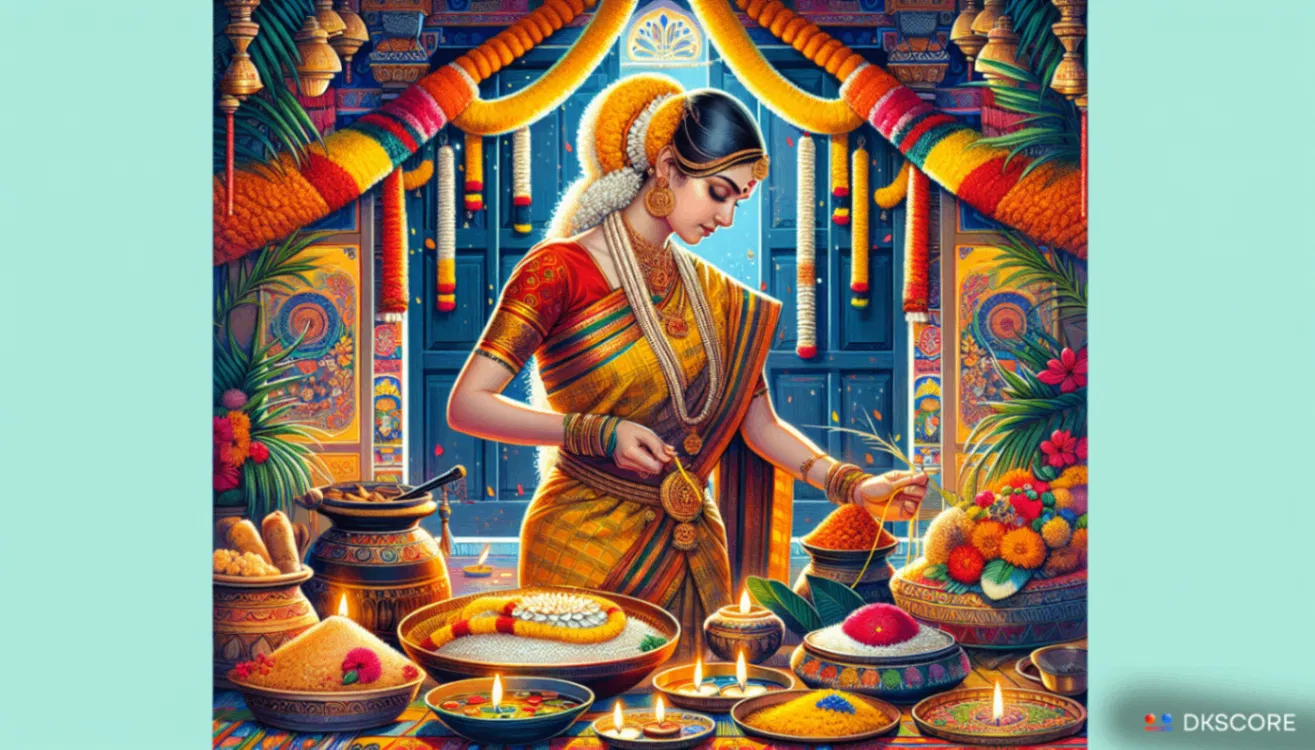
Karadaiyan Nombu 2026
During Karadaiyan Nombu, women observe a fast and prepare a special offering called "Karadai" – a un… Read more
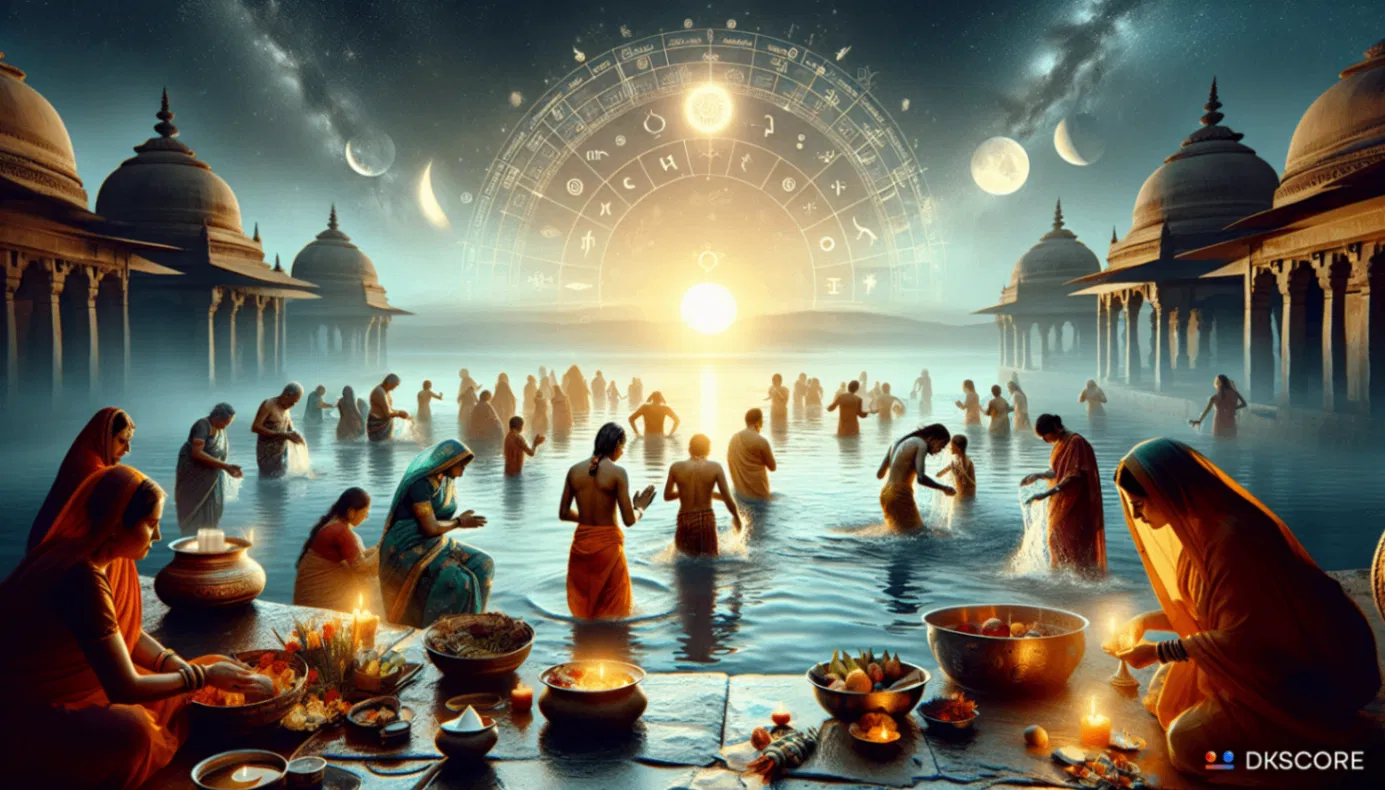
Meena Sankranti 2026
The day is marked by prayers, bathing in sacred rivers, and offering oblations to Lord Surya to welc… Read more

Papmochani Ekadashi 2026
Papmochani Ekadashi is dedicated to Lord Vishnu, revered as the remover of sins (Papamochana) on thi… Read more

Masik Shivaratri March 2026
Devotees observe fasting, offer prayers to Lord Shiva, and chant mantras like "Om Namah Shivaya" to… Read more

Anvadhan Krishna Amavasya MAR 2026
This festival focuses on renewing grain reserves after the harvest and making offerings to ensure fu… Read more

Krishna Amavasya March 2026
Krishna Amavasya is the new moon dedicated to Lord Krishna and is believed to remove spiritual block… Read more

Gudi Padwa 2026
Maharashtrian New Year festival

Ugadi 2026
New Year in Andhra Pradesh and Karnataka

Chaitra Navratri 2026
A nine-day festival dedicated to Goddess Durga

Ishti Krishna Amavasya MAR 2026
This festival is centered around performing the Yajna (fire ritual) by chanting Vedic mantras, offer… Read more

Chandra Darshan March 2026
Devotees observe a fast throughout the day and break it after seeing the Moon, offering Arghya (wate… Read more
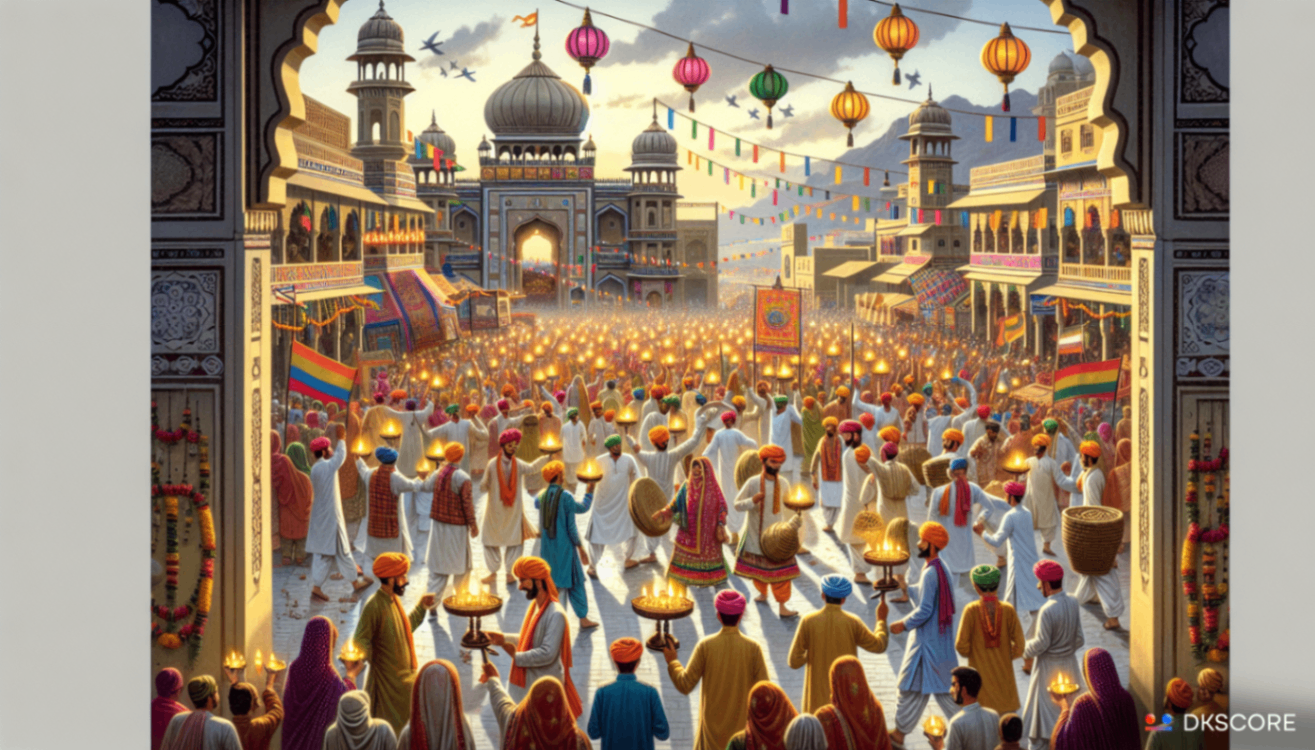
Cheti Chand 2026
Cheti Chand marks the beginning of the Sindhi New Year and celebrates the birth of Lord Jhulelal, a… Read more

Jamat Ul-Vida 2026
Jamat Ul-Vida holds immense spiritual significance as it is considered a day of final prayers before… Read more

Eid al-Fitr 2026
Eid al-Fitr is a significant religious festival for Muslims, celebrated with prayers, feasts, and gi… Read more

Ramadan 2026
Ramadan is a month-long period of fasting, prayer, reflection, and community for Muslims. It marks t… Read more

Matsya Jayanti 2026
Matsya Jayanti celebrates the day when Lord Vishnu incarnated as Matsya, the fish avatar, to protect… Read more
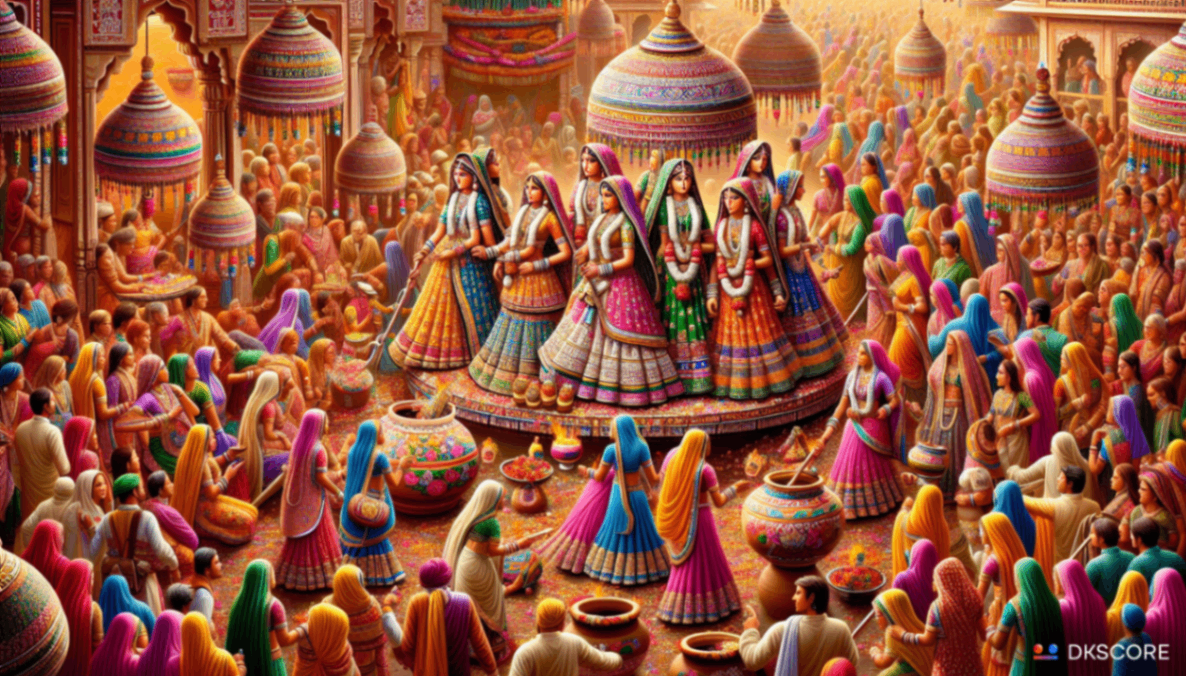
Gangaur 2026
Gangaur is one of the most vibrant festivals, especially in Rajasthan, marked by processions, tradit… Read more

Vasudeva Chaturthi 2026
Devotees worship Lord Krishna as Vasudeva (son of Vasudeva). Rituals include fasting, mantra chantin… Read more

Masik Karthigai March 2026
Devotees light lamps in homes and temples, particularly in front of Lord Murugan’s shrines, to seek… Read more


 Download App