FESTIVAL_IMAGEPATHFESTIVAL_IMAGEPATH

Shakambhari Purnima 2026 Date, Puja Timings, Rituals and Significance

AI search -DKSCOREDKSCORE AIsearchaicircle
  • ICON Shakambhari Purnima 2026

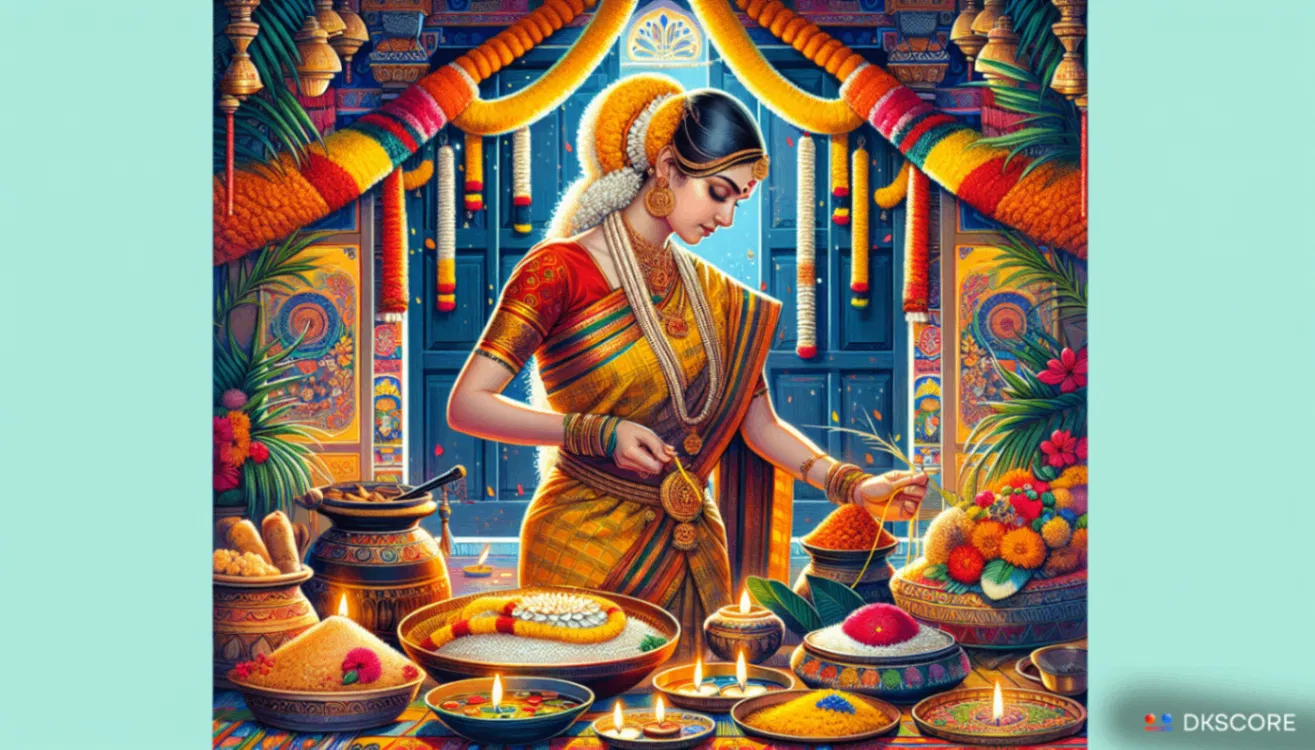
    On Shakambhari Purnima, devotees perform special pujas and rituals to invoke the blessings of Goddess Shakambhari, the goddess of vegetation and food. Temples dedicated to the goddess witness grand celebrations, where devotees offer fruits, vegetables, and other natural produce as symbols of gratitude for a bountiful harvest. The day also marks the conclusion of the Shakambhari Navratri, a nine-day festival dedicated to the goddess. Rituals include chanting of sacred hymns and offering prayers for health, prosperity, and sustenance.

    festival
    Shakambhari Purnima 2026
    religion
    Hinduism
    Date
    03-01-2026
    day
    Saturday
    Muhurat time
    --
    Duration
    21
  • swastik Festival Date

    03 Jan, 2026

    Shakambhari Purnima

    calblue Today Date

    19 Dec, 2025

  • Shakambhari Purnima

    Time Remaining

Why we Celebrate Shakambhari Purnima ?

Shakambhari Purnima is observed on the full moon day of the Paush month in the Hindu lunar calendar. Astrologically, this day falls under the influence of the full moon, symbolizing the culmination of energies. The festival is dedicated to Goddess Shakambhari, an incarnation of Goddess Durga, who is believed to nourish all living beings with food and vegetation. People celebrate to honor the goddess for her blessings of fertility and abundance of crops, especially in agrarian communities.

Important Days

Meditation and Mantras

FESTIVAL_IMAGEPATH

Shakambhari Purnima 2026: Date, Puja Timings, Rituals & Significance

Shakambhari Purnima is a joyful full moon festival devoted to Goddess Shakambhari, a compassionate form of the Divine Mother who nourishes the world with plants, herbs, fruits, and vegetables. It falls on the Paush Purnima, the full moon of the lunar month of Pausha (December–January), and marks the culmination of the Shakambhari Navratri in many regions. The celebration blends devotion with gratitude to nature. It also opens the sacred period of Magha snan, a cycle of holy dips and charitable deeds that run from Paush Purnima to Magha Purnima.

This comprehensive guide brings you the festival’s roots and meanings, practical rituals, health and spiritual benefits, mantras, and modern ways to celebrate. It also provides date and timing guidance for 2026, along with astrological context to enrich your observance.

Understanding the Significance of festival Shakambhari Purnima 2026

“Shakambhari” literally means “she who bears vegetables and greens.” In Hindu tradition, the Goddess is seen as the living spirit within all plant life. On Shakambhari Purnima, devotees honor this life-giving power and thank the Goddess for nourishment, rains, and fertility. The festival reminds us that food is sacred and that our health is closely tied to nature’s rhythms.

Key layers of significance include:

  • Gratitude to Mother Nature: Offerings of seasonal produce acknowledge the cycle of sowing, growth, and harvest.
  • Compassion and charity: Feeding the hungry and sharing food reflect the Goddess’s nurturing quality.
  • Purification and renewal: Bathing, fasting, and chanting help cleanse the body and mind.
  • Transition to Magha observances: Paush Purnima signals the start of the Magha month’s sacred baths and austerities in many regions of India.
  • Devotion to the Divine Feminine: Shakambhari is a benevolent aspect of Durga/Parvati, who sustains all beings.

Shakambhari Purnima 2026 2024 Date and Timing

Shakambhari Purnima occurs on the full moon day (Purnima tithi) of the Hindu month of Pausha. The exact date can differ by location due to time zones and local lunar calculations. Below is a practical guide for planning in 2026 and helpful context for 2024.

Shakambhari Purnima 2026: Expected Date and Timing (India)

  • Likely date window in India (IST): Friday–Saturday, 2–3 January 2026.
  • Note: The Purnima tithi may begin on 2 January and end on 3 January (or fall largely on 2 January) depending on your city.
  • Preferred worship periods:
    • Daytime Puja: During daylight hours when the tithi is active.
    • Evening Puja: After local moonrise on the Purnima day is considered especially auspicious.

Important: Always verify the start and end of the Purnima tithi for your city using a trusted panchang. The tithi governs the festival more than the civil date. Local sunrise, moonrise, and tithi transitions can shift observance by a day outside India.

How to find exact timings

  • Consult a credible Hindu panchang app or website and set your city and time zone.
  • Check “Purnima tithi” start and end in your local time.
  • Note “moonrise” for evening puja and Satyanarayan katha if you plan it.
  • Avoid Rahu Kalam if you follow traditional muhurta practices, though evening after moonrise is usually preferred.

Shakambhari Purnima 2024: Context Snapshot

For reference, Shakambhari/Paush Purnima in 2024 fell toward the end of January in India. The 2026 observance is expected earlier in January due to the lunar cycle shift. Use your local panchang for precise dates in any year.

Mythological Stories Behind Shakambhari Purnima 2026

The most popular legend tells of a devastating drought and famine. The demons (asuras) disrupted Vedic rites, which harmed the natural balance. In response, the Divine Mother appeared as Shakambhari, her form adorned with greens and vegetables. She nourished beings by manifesting edible plants and herbs and restored rains and fertility. In some tellings, she also subdued the demon Durgamasura, who had stolen the Vedas. When the Vedas were restored, the cosmic order returned, and nature thrived again.

Core teachings from the legends:

  • Nature as a sacred teacher: Food is a blessing, not a commodity alone.
  • Balance through dharma: When wisdom (Vedas) is respected, rains, crops, and health return.
  • Mother’s compassion: The Goddess takes a gentle form to nourish, not only to protect in warlike forms.
  • Collective responsibility: Humans, animals, and plants are interlinked; harming one harms all.

These stories inspire devotees to give back to nature, live simply, and share food with all beings.

Vedic Astrology and Shakambhari Purnima 2026

In Vedic astrology, Purnima is a day of fullness. The Moon—the significator of mind, emotions, nourishment, and fluids—is at peak brightness. Paush Purnima typically places the Sun in Capricorn (Makara) and the Moon in Cancer (Karka), a sign associated with motherliness, empathy, and home. This axis emphasizes duty (Capricorn) balanced with care (Cancer). It is a fitting cosmic backdrop for honoring the Mother who feeds all.

Nakshatras (lunar mansions) around this full moon are often Punarvasu or Pushya. Both carry nurturing symbolism:

  • Punarvasu: Renewal, replenishment, and return to abundance after hardship.
  • Pushya: The “nourisher,” linked with auspicious growth, learning, and caregiving.

Because Shakambhari’s essence is nourishment, devotees find this full moon ideal for healing rituals, gratitude for food, and pledges to adopt sattvic diets and mindful living.

Shakambhari Purnima 2026 2024: Astrological Insights

2026: Themes to watch

  • Sun in Capricorn and Moon in Cancer highlight home, family, and responsibility. It is a good day to strengthen caregiving routines and food habits.
  • Jupiter is expected to be in Gemini for much of early 2026, supporting learning and community exchanges. This favors food drives, nutrition education, and herbal study circles.
  • Saturn is expected to transit Pisces in 2026, emphasizing compassion with discipline. Choose sustainable fasting, ethical sourcing, and consistent charity.
  • If the Moon aligns with Pushya nakshatra, expect enhanced spiritual nourishment. If Punarvasu, look for renewal energies and a fresh start for diets and wellness.

Tip: For personalized guidance, cast your natal chart and check how this full moon aspects your Moon, ascendant, and second house (food, speech), fourth house (home, nurturing), and sixth house (health routines).

2024: A brief lookback for context

In 2024, the Paush Purnima occurred later in January. The late-winter timing emphasized completion, donation of warm clothing, and preparation for Magha austerities. Though each year differs, the core message endures: honor the Earth, feed life, and purify the body-mind.

Rituals and Practices of Shakambhari Purnima 2026

Rituals range from simple home pujas to grand temple festivals. Choose what aligns with your tradition and health.

Home Puja Steps

  1. Cleanse and prepare: Tidy the puja area. Bathe and wear clean, modest clothes.
  2. Altar setup: Place an image or idol of Goddess Shakambhari (or Durga/Devi). Add a small pot of clean water, lamp (diya), incense, and flowers.
  3. Vegetable and fruit offerings: Arrange seasonal produce—leafy greens, gourds, roots, legumes, fruits, and herbs. In some traditions, devotees prepare elaborate “Shakambhari Bhog,” sometimes with a symbolic 108 items or as many as feasible.
  4. Invocation: Light the lamp. Offer water, flowers, incense, and kumkum. Chant mantras (see section on mantras).
  5. Food worship: Sprinkle sanctified water on the vegetables and fruits. Offer cooked sattvic dishes without onion and garlic if your tradition suggests.
  6. Prayer and sankalpa: Pray for health, rains, and prosperity for all, and vow to reduce food waste and support farmers.
  7. Charity: Set aside a portion of food for donation. Feed the hungry, birds, and animals as possible.
  8. Prasad distribution: Share the sanctified food with family and visitors.

Fasting and dietary observances

  • Many devotees observe a sattvic fast: fruits, milk, nuts, and simple vegetarian meals.
  • Some observe a stricter fast until evening moonrise, then take prasad.
  • Hydrate well, especially in dry winter weather.
  • If you have medical conditions, choose a light fast or symbolic abstention after consulting a healthcare professional.

Temple celebrations and regional traditions

  • Processions and special decorations with leaves and vegetables.
  • Community kitchens and anna-daan (food donation).
  • Shobha yatras, kirtans, and Devi stuti recitals.
  • Prominent shrines, such as those dedicated to Shakumbhari/Shakambhari Devi in Rajasthan and Uttar Pradesh, draw large gatherings with grand vegetable-laden altars.

Charity and environmental practices

  • Donate fresh produce to shelters, orphanages, or community kitchens.
  • Plant a tree or adopt a kitchen garden in the Goddess’s name.
  • Reduce plastic: use cloth bags and reusable plates for prasad distribution.
  • Compost vegetable peels and flowers after the puja.

Health and Spiritual Benefits of Shakambhari Purnima 2026 Rituals

The festival sits at the sweet spot of spiritual practice and practical wellness. Benefits include:

  • Mindful eating: A focus on seasonal, plant-based foods aligns with digestive and metabolic balance in winter.
  • Detox and immunity: Light fasting with ample hydration and herbal teas may support digestion. Always adjust fasting to your health needs.
  • Emotional wellbeing: Moon-centered worship can calm the mind, reduce anxiety, and improve emotional balance.
  • Family bonding: Preparing offerings and cooking together strengthens relationships.
  • Community health: Food donation addresses hunger and fosters empathy.
  • Eco-spirituality: Seeing food as prasad encourages respect for farmers, water, soil, and biodiversity.

Balanced caution: If you are pregnant, nursing, elderly, or on medication, choose gentle dietary observances and consult a professional before fasting.

Mantra Chanting During Shakambhari Purnima 2026

Mantras purify the space and the mind. Chant with devotion and a clear intention to nourish yourself and others.

Core mantras

  • Shakambhari Gayatri (commonly used invocation): “Om Shakambhariyai Vidmahe, Shatakshi Dhimahi, Tanno Devi Prachodayat.”
  • Durga mantra for protection and grace: “Om Dum Durgayai Namah.”
  • Devi stotra (any chapter from Durga Saptashati/Devi Mahatmyam you are comfortable with).
  • Maha Mrityunjaya mantra for health: “Om Tryambakam Yajamahe Sugandhim Pushtivardhanam...”
  • Sri Suktam or Annapurna stotram for abundance and nourishment.

How to chant

  • Choose a quiet spot. Sit comfortably with a straight spine.
  • Use a mala if you prefer. Even 11 or 21 repetitions, done mindfully, are meaningful.
  • Synchronize with breath. On exhalation, let the sound flow naturally.
  • End with a prayer for the health, peace, and nourishment of all beings.

Shakambhari Purnima 2026 in Modern Times

Shakambhari Purnima continues to evolve with today’s challenges and opportunities.

Urban and global observances

  • Apartment-friendly pujas with small but sincere offerings.
  • Online satsangs, virtual kirtans, and streamed temple darshan.
  • Collaborative food drives organized via community apps and local nonprofits.
  • Workplace initiatives: healthy potlucks, food-waste reduction pledges, and nutrition talks.

Sustainable celebration ideas

  • Source local, seasonal produce to reduce carbon footprint.
  • Design vegetable rangolis and edible centerpieces that can be donated or consumed later.
  • Replace single-use plastics with biodegradable or reusable options.
  • Support small farmers and community-supported agriculture groups.

For families with children

  • Story time: narrate the Shakambhari legend with simple language.
  • Kitchen science: explore herbs and spices; identify vitamins in fruits and vegetables.
  • Crafts: make leaf garlands or paint plant-themed diyas.
  • Service: let children help pack and deliver food donations.

Practical Planning Checklist

  • One week before:
    • Check your local panchang for Purnima tithi, moonrise, and any regional guidelines.
    • Plan your menu: focus on seasonal fruits, greens, and simple sattvic dishes.
    • Arrange donation partners: shelters, community kitchens, or neighbors in need.
  • Two to three days before:
    • Purchase fresh produce. Prefer cloth bags and avoid plastic packaging.
    • Clean and prepare the puja area. Gather lamps, incense, flowers, and altar items.
    • Print or write down mantras and a short puja sequence.
  • On the day:
    • Begin with a bath and light cleaning of your home and altar.
    • Set up the offerings attractively. Keep donation items separate.
    • Perform puja during the active tithi. If following evening worship, wait for moonrise.
    • Distribute prasad and deliver donations promptly.
  • After the festival:
    • Compost biodegradable remains. Store prasad safely.
    • Reflect on habits to carry forward: mindful eating, weekly charity, and greener choices.

Frequently Asked Questions

Is Shakambhari Purnima only for those who follow Durga worship?

No. The festival honors nourishment and nature. People from many backgrounds celebrate by offering fruits and vegetables, doing charity, and praying for global wellbeing.

Can I observe if I live outside India?

Yes. Follow your local panchang and time zone. The tithi may shift the civil date by a day. Keep the essence: gratitude to nature, simple worship, and charity.

Is there a dress code?

Wear clean, modest, preferably light-colored clothes. Many prefer green or yellow to represent crops and nourishment.

What if I cannot fast?

Fast symbolically. Avoid heavy or processed foods. Choose fruits, milk, or a single sattvic meal. Health comes first.

What should I do with leftover offerings?

Share prasad with family and neighbors. Donate unused produce the same day. Compost any wilted leaves or peels.

Conclusion

Shakambhari Purnima 2026 invites us to rediscover the sacred relationship between food, health, and the Earth. The Goddess Shakambhari is the spirit of nourishment itself. We honor her by offering seasonal produce, chanting with devotion, and sharing with those in need. The day is astrologically aligned with care, renewal, and responsibility—an ideal moment to refresh diets, reduce waste, and practice gratitude.

For 2026, plan around the expected date window of 2–3 January in India and verify the exact Purnima tithi and moonrise times for your location. Keep the celebration simple, sincere, and sustainable. Whether you observe at home or in a temple, the heart of the festival is the same: feed life, bless the harvest, and let compassion flow. May the grace of Mother Shakambhari bring health, abundance, and harmony to all.

Charity and Donations

Joy Stories Foundations

Joy Story Foundation is a section-8, non-profit organization founded in November 2019, registered with Ministry of Corporate Affairs, Government of India. It aspires to build stories around “Joy for Everyone” by practicing the values of collective philanthropy and by maintaining utmost transparency in order to achieve it. Our vision is to ensure that we do our bit to free the world of gloom, sorrow, deprivation, pessimism, and pain by inducing small positive moments to bring joy in the world. And we would go to any extent to achieve that, irrespective of geographical boundaries, religion, age, color or need. Our giving would be completely unbiased, non- religious and non-political.

Have doubts and need help?

Check out our Frequently Asked Questions to find the answers. But hey, if your doubts still persist, we are only a demo call away!

Frequently Asked Questions

What are the do's and don'ts for Shakambhari Purnima 2026?

Do's: Take a purifying bath before prayers, wear clean, modest clothes, perform Shakambhari Puja with greens or bhog and distribute prasad to family, friends and the needy; observe a light or sattvik fast as per family tradition and eat simple meals; chant or listen to devotional mantras or prayers dedicated to Goddess Shakambhari; keep the home clean and decorate with flowers, rangoli and a lamp; donate to the needy and share food; visit a temple or perform home puja with reverence. Don'ts: avoid non-vegetarian foods and alcohol on this day; don't overeat; don't quarrel or indulge in anger; avoid wastefulness and neglect of food resources; don't neglect cleanliness or harm the environment; avoid loud or disrespectful behavior during puja.