Discover a detailed guide to Skanda Shashti observed in January 2026, including its spiritual significance, mythic roots, traditional rituals, astrological insights, health benefits, and how communities embrace this festival today across generations and geographies.
Understanding the Significance of festival Skanda Shashti January 2026
Skanda Shashti honors Lord Murugan, also known as Skanda or Subrahmanya, a beloved deity in the Hindu tradition. He is revered as the divine commander of the celestial army, a symbol of courage, wisdom, and spiritual focus. The Shashti—sixth day of the lunar fortnight—marks a special moment in the life and deeds of Murugan. While many families observe Skanda Shashti in Kartik (in the lunar calendar), communities observing in January 2026 often align their rituals with the corresponding Shashti in their local panchang. The festival is a convergence of devotion, discipline, and cultural expression that resonates across Tamil Nadu, Karnataka, Andhra Pradesh, Telangana, Kerala, Sri Lanka, Singapore, Malaysia, and among the Hindu diaspora worldwide.
Key significances of Skanda Shashti include:
- Celebrating Murugan’s birth and divine childhood exploits, which symbolize the triumph of good over evil and the awakening of inner strength.
- Recognizing Murugan as a aspirational guide who embodies courage, ethical leadership, and compassion for devotees facing challenges.
- Encouraging spiritual disciplines such as fasting, prayer, and mantra recitation, which purify the mind and energize purpose.
- Honoring the symbolic weapon Vel (lance), which represents clarity of thought, discernment, and the removal of ignorance.
- Fostering community ties through temple rituals, music, dance, and shared meals that strengthen social harmony and cultural memory.
For many families, Skanda Shashti in January 2026 is more than a ritual day; it is a yearly opportunity to re-center personal intentions, renew vows to live with courage and kindness, and teach younger generations about devotion through accessible, heart-centered practices.
Skanda Shashti January 2026 Date and Timing
Skanda Shashti is anchored in the Hindu lunisolar calendar, so the exact date shifts year to year and region to region. In January 2026, many calendars observe Shashti on the sixth lunar day of Shukla Paksha in Kartik or Margashira months, which for some communities translates into January observances. Because India uses multiple regional calendars—each with its own method for reconciling lunar and solar cycles—the precise date can vary by several days depending on the local panchang you follow. Diaspora temples abroad often publish their own observances aligned with local moon positions as well.
How to determine the exact date for your location:
- Consult your local temple calendar or surat calendar (panchang) for 2026. Temples often publish the diary of sacred days months in advance.
- Check official temple websites or trusted Hindu calendar apps that specify tithi (lunar day) and the corresponding murti darshan times.
- Ask a priest or astrologer (pandit) in your community for the precise date and timing for your temple or family tradition.
Typical timing and day-long observances usually follow a common pattern, though local practice may differ slightly:
- Fasting: Many devotees undertake a partial or full fast on Shashti, abstaining from certain grains or foods, and consuming only light, satvik meals after a specified hour. Some observe a complete fast until sunset or moonrise.
- Temple rituals: Temples typically open early in the morning with abhishek (sacred bathing of the deity), followed by puja (worship), arati (lamp ceremony), and singing of devotional songs.
- Arati and homa: The day often includes a series of aratis and homa (fire offerings) in the afternoon and evening, culminating in a night-time arati that invites Murugan’s blessings for courage, wisdom, and protection.
- Darshan and seva: Devotees seek darshan of Murugan idols, participate in kavadi-related rituals where appropriate, and offer flowers, coconuts, and fruits to the deity.
Note: If your family’s observance is tied to a specific regional calendar (Tamil, Kannada, Telugu, Gujarati, etc.), please refer to that tradition’s guidance for the exact January 2026 date and the allowed fasting hours. The above description provides a broad framework that captures the essence of Skanda Shashti in January 2026 across communities.
Mythological Stories Behind Skanda Shashti January 2026
Mythology surrounding Skanda Shashti centers on Murugan’s birth, his divine gifts, and his victory over demonic forces. These stories have many regional flavors, yet share common threads that inspire devotion and valor among believers:
- Birth and Divine Intervention: Murugan is said to have emerged from the divine spark of Agni, the fire god, at the behest of Parvati. Born to be an embodiment of pure courage and elevated intellect, he is often depicted with a Vel (spear) given by his father, Shiva. The Vel symbolizes the power to pierce through ignorance and illusion.
- The Vel and the Battle with Darkness: A recurring theme is Murugan’s role as the commander of the Devas, leading celestial forces against demons who threaten cosmic order. The Vel becomes both a weapon and a symbol of divine insight, guiding his followers toward righteousness and strength of character.
- Defeat of Tarakasura: One of the central myths is Murugan’s triumph over Tarakasura, the demon who plagued the heavens with arrogance and cruelty. Murugan’s victory represents the destruction of ego, fear, and tyranny, and the restoration of harmony in the cosmos.
- Path of Compassion and Wisdom: Beyond martial prowess, Murugan’s legends emphasize wisdom, compassion, and responsible leadership. Devotees are invited to cultivate courage tempered by mercy, and to act as protectors of the weak and seekers of truth.
- Marriage to Devasena and Valli: In many regional tellings, Murugan’s marriage to Devasena (and in some versions to Valli) symbolizes the union of spiritual power with grace and devotion. This narrative highlights balance—strength joined with steadfast love and devotion.
Retellings during Skanda Shashti often present these myths as accessible stories for families and children, turning festival days into a living classroom of virtue. While the exact mythic emphasis can vary by region—Tamil Nadu’s tales may foreground Murugan’s youthful exploits, while Kannada or Telugu communities may emphasize different episodes—the core message remains universal: the cultivation of courage, ethical action, and spiritual clarity.
Vedic Astrology and Skanda Shashti January 2026
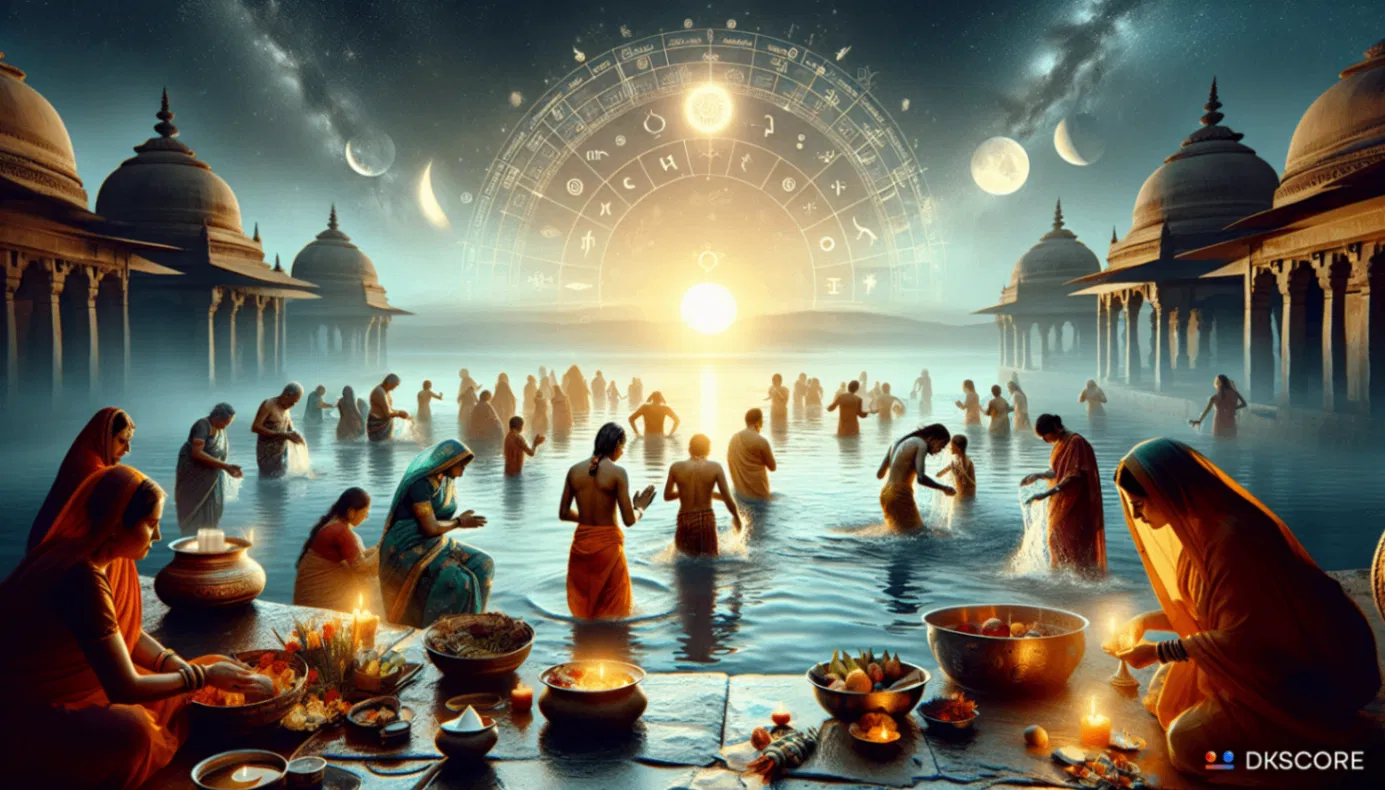
Vedic astrology, or Jyotisha, studies the interplay between celestial movements and human affairs. For Skanda Shashti, astrologers consider several cosmic factors to understand the auspiciousness of the day and the likely experiences for individuals and communities. Here are some core concepts that frequently appear in discussions about Skanda Shashti:
- Tithi (Lunar Day): The tithi on which Shashti falls informs the predicted energy of the day. When Shashti coincides with Rohini, Chitra, or Uttarabhadra nakshatras (or other favorable Nakshatras), practitioners may feel more auspicious momentum for courageous actions and spiritual practice.
- Nakshatra (Lunar Constellation): The star position can color devotional activities. Certain nakshatras are believed to boost courage, creativity, and devotion; others may invite contemplation and inner work.
- Rahu-Ketu Influence: The positions of Rahu and Ketu (the lunar nodes) are considered in choosing timings for significant rites or new beginnings during the festival.
- Moon Sign and Personal Charts: Individuals consult their sun or moon signs or their birth charts to decide fasting duration, preferred rituals, and personal remedies for the year ahead.
- Auspicious Muhurta: Specific time windows (muhurta) are recommended for initiating important worship, starting new spiritual practices, or performing homa. Brahma Muhurat (shortly before sunrise) and post-sunrise hours are commonly favored for devotion on Skanda Shashti.
Important caveats: astrology in this context serves as a cultural guide rather than a deterministic forecast. Communities use it to align intentions with cosmic rhythms, but personal choice, devotion, and ethical actions carry equal weight in shaping outcomes.
Skanda Shashti January 2026: Astrological Insights
Astrological reflections on Skanda Shashti in January 2026 often highlight themes of courage, internal discipline, and spiritual discernment. Here are some insights commonly discussed by practitioners and scholars who study this period:
- Strength and Courage: The festival’s association with Murugan’s valor invites believers to confront personal fears and set clear boundaries. It is considered a propitious time to initiate projects that require bold leadership with integrity.
- Intention and Focus: The discipline of fasting and ritual focus helps quiet the mind’s scattered tendencies. This can translate into improved concentration in studies, work, or creative endeavors.
- Community and Shared Purpose: The collective rituals, music, and dance foster a supportive network. This social rhythm can boost resilience and a sense of belonging during uncertain periods.
- Controlled dietary practices and mindful breathing during prayers can reduce stress and improve mental clarity. Many find that regular, humble offerings to the deity encourage a daily rhythm of gratitude.
Pragmatic takeaway: if you seek to align with these energies, set a small, meaningful goal for the festival period—such as a daily prayer, a modest fasting plan, or a commitment to volunteer in your community—while remaining gentle with yourself and others.
Rituals and Practices of Skanda Shashti January 2026
Rituals on Skanda Shashti are a blend of personal devotion, temple ceremony, and communal celebration. Practices may vary by region, family tradition, and temple customs, but the core elements commonly observed include:
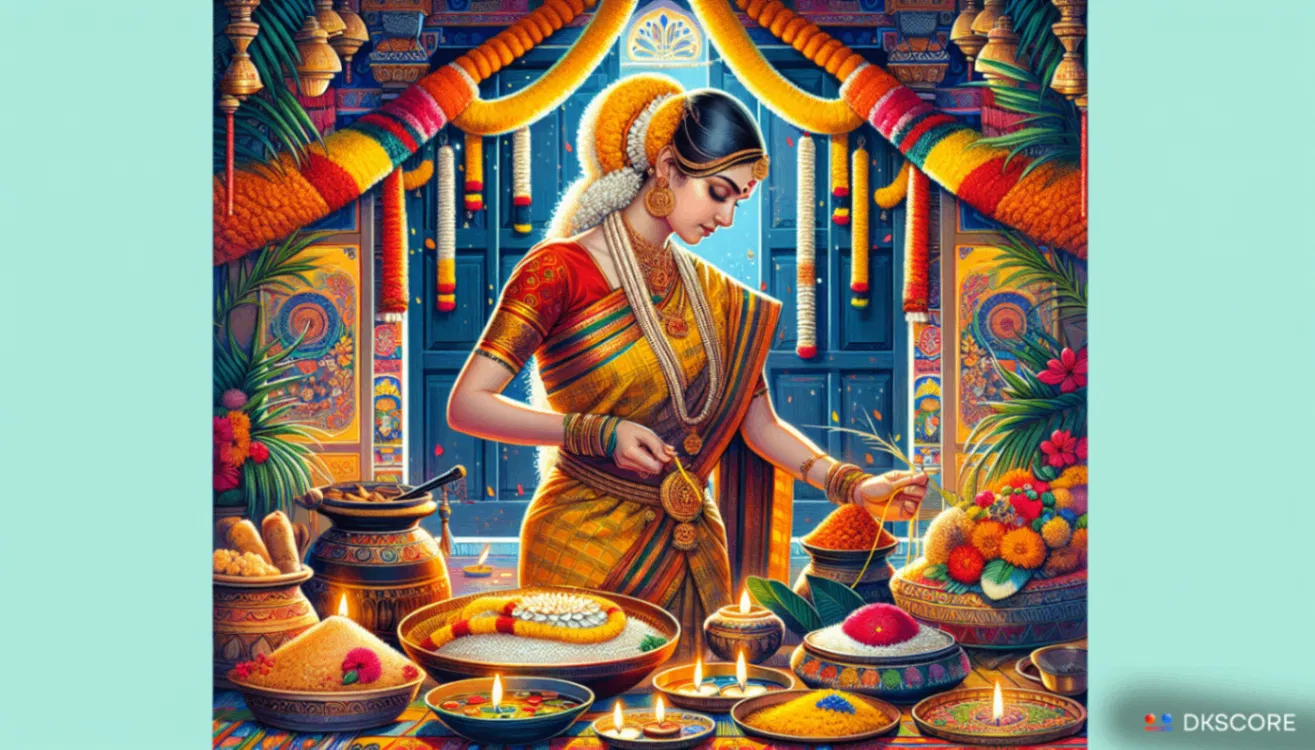
- Cleanliness and Purity: Devotees take early morning baths and wear clean, modest clothes. Homes and temples are decorated with fresh flowers, medicinal leaves, and bright colors as a sign of auspiciousness.
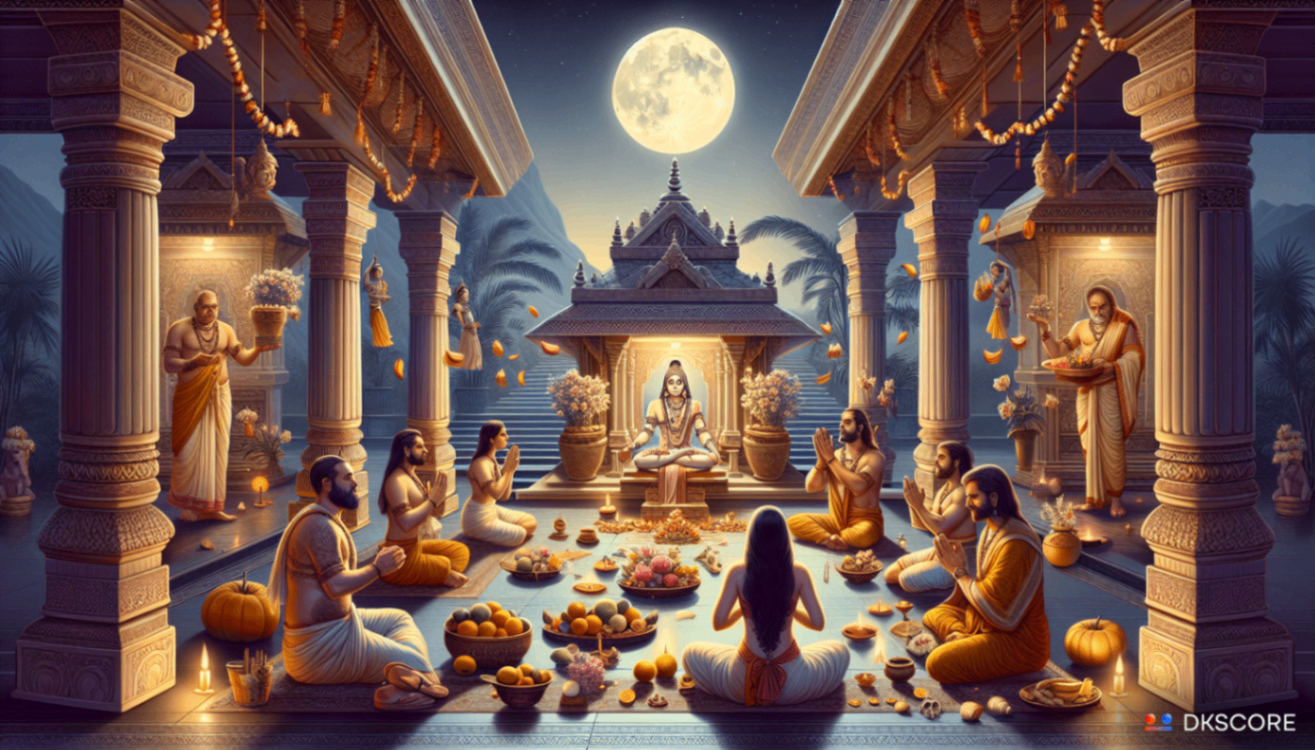
- Offering and Puja: A central puja is performed for Murugan. The abhishek (sacred bathing) of the murti with milk, honey, water, and sandal paste is followed by the offering of fruits, coconuts, flowers, and sweets. Incense fills the air as bhajans (devotional songs) and mantras accompany the ritual.
- Flowers and Symbols: The tiger or peacock symbol associated with Murugan may appear in decorations or processional items. Eleven petals of a lotus or marigold garlands are common offerings to honor the deity’s beauty and strength.
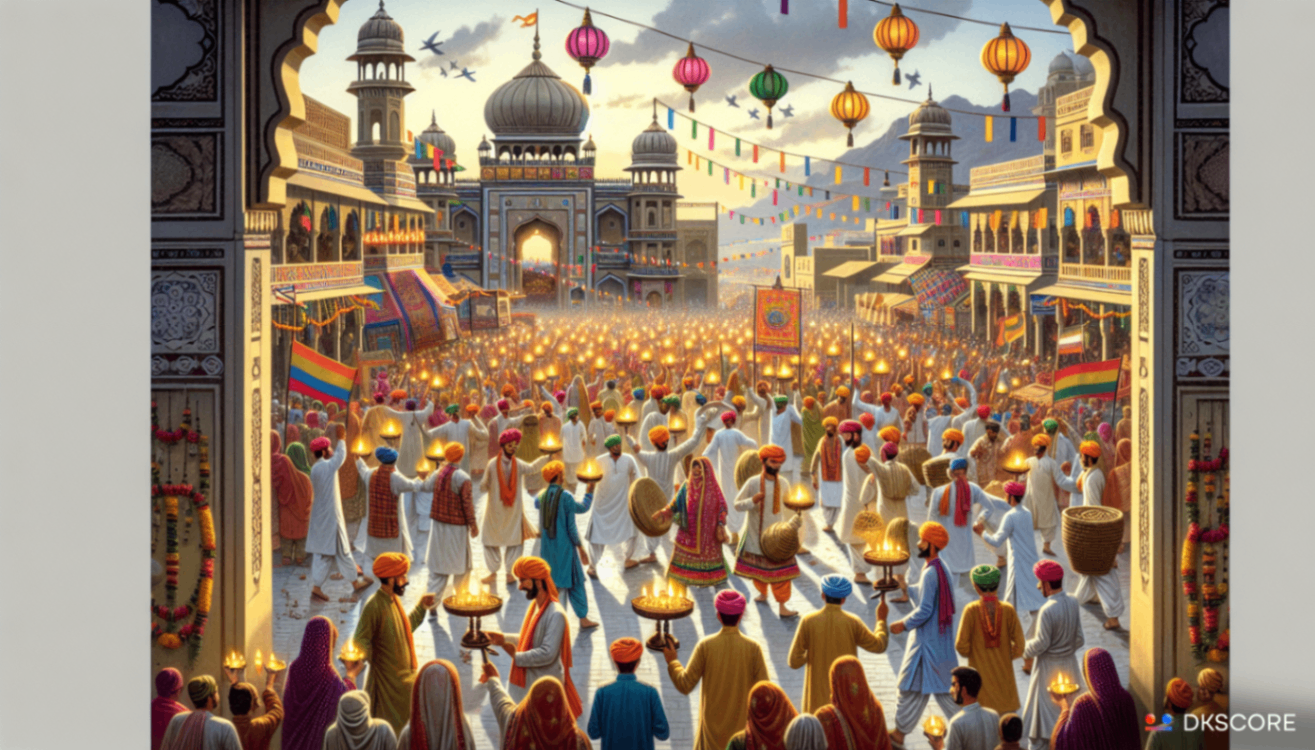
- Vel Puja and Symbolism: The Vel, Murugan’s divine spear, is worshipped as a symbol of divine insight and the removal of ignorance. In some temples, a ceremonial Vel is displayed and carried by devotees in processions or during special arati.
- Vel Kavadi (Where Appropriate): While kavadi dancing is especially prominent during Thaipusam and certain regional festivals, some observances on Skanda Shashti may include a simplified kavadi ritual or a symbolic act of offering a kavadi as a personal vow or penance, particularly in Tamil Nadu and Karnataka communities.
- Fasting and Food: Many devotees observe a satvik (pure) diet for the day or the day-long fast. Foods like rice, dal, milk, fruits, nuts, and vegetables are common, while onion, garlic, and non-vegetarian items are avoided during a stricter fast.
- Chanting and Music: Devotional songs, bhajans, and Ramayan-like recitations associated with Murugan’s legends are performed. In traditional settings, percussion and flute accompany the singing to create an uplifting atmosphere.
- Community Meals and Seva: After the main worship, many temples and families offer prasad (blessed food) and sometimes a communal meal (annadanam) to devotees and the less privileged, echoing the festival’s spirit of generosity.
- Rangoli, Kolam, and Decoration: Homes and temple courtyards are adorned with kolam or rangoli patterns, often incorporating Murugan’s symbols and bright colors to invite auspicious energy.
Practical tips for observing: arrive early to temples to participate in the morning abhishek; bring a small bouquet, a fruit, or a coconut for offering; follow temple etiquette, including removing shoes, keeping voices low, and respecting volunteer coordinators who guide devotees through the day’s schedule.
Health and Spiritual Benefits of Skanda Shashti January 2026 Rituals
While the primary aim of Skanda Shashti is spiritual growth and devotion, those who observe the rituals may experience various health and well-being benefits. These benefits are often described in traditional texts and contemporary reflections from practitioners:
- Mindful Discipline: Fasting and purposeful devotion encourage self-control and a more deliberate approach to daily choices, which can reduce impulsive behavior and improve focus.
- Stress Reduction: The meditative aspects of chanting, mantra recitation, and slow, controlled breathing during prayers can lower stress hormones and promote relaxation.
- Emotional Resilience: Community support and shared rituals create social connections, reducing feelings of isolation and boosting emotional well-being.
- Clarity of Intent: The ritual setting helps individuals articulate life goals, aligning actions with values and long-term aspirations.
- Spiritual Renewal: The festival’s emphasis on courage, virtue, and compassion can cultivate a sense of purpose and inner peace, which often translates into healthier lifestyle choices.
Practical health notes: if you are fasting, stay hydrated and listen to your body. If you have medical conditions, consult a healthcare professional before undertaking more restrictive fasting. Spiritual practices complement health when done with balance and respect for one’s own limits.
Mantra Chanting During Skanda Shashti January 2026
Mantra chanting is a central practice for many devotees during Skanda Shashti. It focuses the mind, invites divine presence, and can deepen the sense of devotion and courage. If you are new to mantra practice, begin with a calm space, comfortable posture, and a few minutes of deep, even breathing before you begin.
Three commonly used mantras for Murugan (Skanda) are often recited during Skanda Shashti. Keep in mind that regional pronunciation may vary, and you should use the form and cadence taught by your family priest or temple guru. Here are representative examples with transliterations to guide your practice:
- Om Kumārāya Namaḥ — A traditional invocation to Murugan, invoking his youthful energy and divine protection.
- Om Muruganāya Namaḥ — A straightforward, widely used salutation to the divine lord Murugan.
- Om Subrahmaniye Namaḥ — A respectful form that honours the lord as Subrahmanya, the son of Shiva and Parvati.
Guidelines for effective chanting:
- Begin with a short sankalpa (intention) to align your practice with virtuous goals such as courage, compassion, or service.
- Chant slowly and clearly, focusing on the rhythm of the syllables and the breath. Do not rush.
- Use a mala (rosary) for 108 repetitions if you are comfortable; otherwise, chant for a fixed period, such as 5–15 minutes, and gradually extend the duration over weeks.
- Keep the environment quiet and clean. Sit with a straight spine and relaxed shoulders to optimize energy flow.
- End with gratitude: thank the divine for the day’s blessings and set a small, practical intention for the days ahead.
Note: If you are learning a mantra from a guide, try to memorize the correct pronunciation and cadence as taught. The devotional atmosphere matters as much as the exact syllables.
Skanda Shashti January 2026 in Modern Times
In today’s connected world, Skanda Shashti blends tradition with technology and social change. Across cities and countries, communities adapt the festival to contemporary life while preserving its spiritual core. Some hallmark trends in modern observances include:
- Temple Live Streams and Online Darshan: Many temples provide live streams of puja, arati, and processions to accommodate devotees who cannot attend in person. This expands access for families living abroad or far from temples.
- Diaspora Bridges: Indian and non-resident communities host cultural programs, music concerts, and dance performances inspired by Murugan’s legends. These events celebrate heritage and foster intercultural dialogue.
- Family-Centered Activities: Home pujas, rangoli competitions, and storytelling sessions about Murugan’s virtues are common in urban and rural households alike, making the festival accessible to children and elders.
- Charity and Service: Many devotees use the day to perform seva (community service) such as feeding the hungry, donating to shelters, or supporting education and healthcare initiatives in the name of Murugan.
- Contemporary Arts and Media Inspirations: Murugan-inspired art, short films, and theater pieces help convey mythic messages in fresh, relatable ways for younger audiences.
- Sustainable Celebrations: Modern organizers emphasize eco-friendly practices—natural colors for kolams, biodegradable decorations, and careful management of fire rituals to minimize environmental impact.
For families observing in January 2026, the modern festival landscape offers practical options: you can participate in temple programs, host a small family puja at home, support a charitable cause, or join virtual darshan to include loved ones who are far away. The enduring thread is devotion expressed through intention, action, and shared joy.
Conclusion
Skanda Shashti in January 2026 embodies the timeless values of courage, virtue, and spiritual focus. Whether you observe with fasting, ritual worship, mantra chanting, or community service, the festival invites you to awaken inner strength while maintaining compassion for others. The mythic stories of Murugan’s birth, his valor in battle, and his compassionate leadership continue to inspire generations to pursue a life of integrity, devotion, and service.
As with any festival that travels across cultures and climates, the essence remains the same: a day dedicated to the noble ideals Murugan represents—clarity of mind, bravery tempered by mercy, and a steadfast commitment to the well-being of all beings. Whether you mark the occasion in a bustling temple, a quiet home shrine, or a digital community space, Skanda Shashti is an invitation to reflect, celebrate, and renew your personal vow to live with courage and kindness.
To plan your own January 2026 Skanda Shashti observance, gather family and friends, consult your local panchang, prepare a simple satvik menu, light a lamp, sing bhajans, and offer a small act of service to someone in need. In doing so, you join a centuries-old tradition that continues to adapt, endure, and illuminate the path of devotion for people around the world.