FESTIVAL_IMAGEPATHFESTIVAL_IMAGEPATH

Yashoda Jayanti 2026 Festival Details, Dates and Highlights

AI search -DKSCOREDKSCORE AIsearchaicircle
  • ICON Yashoda Jayanti 2026

    Yashoda Jayanti celebrates the birth anniversary of Mata Yashoda, the mother of Lord Krishna in his foster family. Known for her boundless love and devotion, Yashoda Mata is adored in Hinduism as the epitome of motherly affection. On this day, devotees remember her dedication and her role in nurturing Krishna's childhood. The festival includes rituals, prayers, and storytelling about her life with Krishna, reflecting the virtues of motherhood.

    festival
    Yashoda Jayanti 2026
    religion
    Hinduism
    Date
    07-02-2026
    day
    Saturday
    Muhurat time
    --
    Duration
    --
  • swastik Festival Date

    07 Feb, 2026

    Yashoda Jayanti

    calblue Today Date

    09 Jan, 2026

  • Yashoda Jayanti

    Time Remaining

Why we Celebrate Yashoda Jayanti ?

Yashoda Jayanti is celebrated in honor of Mata Yashoda, symbolizing the divine and selfless love of a mother. The festival holds astrological significance as it celebrates the motherly qualities embodied by Yashoda Mata, resonating with themes of nurturing and compassion in the Hindu tradition.

Important Days

Meditation and Mantras

FESTIVAL_IMAGEPATH

Yashoda Jayanti 2026: Festival Details, Dates and Highlights

Yashoda Jayanti is a revered celebration in many Vaishnav and Krishna-centric traditions. It honors Yashoda, the devoted foster mother of Lord Krishna, whose boundless love and motherhood symbolize the deepest forms of care, protection, and nurture. This article offers a comprehensive guide to Yashoda Jayanti 2026, covering its significance, mythic roots, astrology, rituals, health and spiritual benefits, mantras, and how the festival is observed in modern times. Whether you are planning a family puja, temple visit, or community event, you will find practical details to enrich your observance this year.

Understanding the Significance of festival Yashoda Jayanti 2026

Yashoda Jayanti centers on the extraordinary bond between Krishna and his foster mother, Yashoda. In many narratives, she embodies the pure, selfless form of maternal love that nurtures a child’s growth while guiding through discipline and protection. The festival is a reminder that motherhood, care, and a safe home are foundational to a thriving life. It also highlights the role of a mother as a first teacher—shaping values, compassion, and the sense of responsibility that a child carries into adulthood.

Beyond the personal story, Yashoda Jayanti resonates with communities that value family harmony, service to others, and the spiritual power of nurturing. Devotees often interpret Yashoda’s devotion as a model of unconditional love toward the divine child Krishna, while also recognizing the everyday divine presence in the people who care for us—grandmothers, mothers, aunts, teachers, and mentors. The festival, therefore, becomes a shared space for gratitude, remembrance, and acts of seva (service) toward others.

Practical aspects of significance include:

  • Celebrating maternal virtues: care, patience, protection, and selfless service.
  • Strengthening family ties: gathering for prayers, meals, and storytelling that reinforce family bonds.
  • Inspiring social compassion: feeding the hungry, visiting the elderly, and supporting new mothers or families in need.
  • Fostering devotion: deepening one’s relationship with Krishna through the lens of Yashoda’s love as a guiding example.

Note: Variations in regional traditions mean the exact rituals and emphasis can differ. Local temples, family lineages, and panchang calendars shape the day’s events. The core message remains universal: motherhood as the basis of a nurturing life.

Yashoda Jayanti 2026 2024 Date and Timing

Yashoda Jayanti is anchored in the Hindu lunar calendar rather than a fixed Gregorian date. Its observance depends on tithi (lunar day), nakshatra (stellar geometry), and regional customs. Because lunar months shift in relation to the solar year, the date moves from year to year and from one community to another. For this reason, the exact Gregorian date of Yashoda Jayanti in 2024 and 2026 can vary by location.

How to determine the date for your area:

  • Consult your local temple calendar or a trusted panchang (Hindu almanac). They publish the precise tithi and timings for each locality.
  • Check online panchang apps or temple websites, which often provide notifications and live alerts for festival days.
  • Ask a knowledgeable priest or elder in your community about the official date and recommended puja muhurat (auspicious moment).
  • Note that some families observe the festival in conjunction with Krishna Janmashtami or in the broader Krishna-related festival period, depending on tradition.

If you are planning a personal or community observance, it is wise to reserve a window of a few hours around the day’s muhurat for extended prayers, storytelling, and a shared meal. In practical terms, many households perform the main puja in the evening, with a smaller morning observance for early devotees.

In short: there is no single fixed date on the Gregorian calendar for Yashoda Jayanti. Always verify with local sources and plan your observance accordingly.

Mythological Stories Behind Yashoda Jayanti 2026

The stories linked to Yashoda Jayanti illuminate the depth of maternal love and Krishna’s early childhood miracles. Here are some of the most cherished narratives that devotees recount during the celebration:

  • The Milk of Maternal Affection: Yashoda sees Krishna as a normal child who needs guidance. She nourishes him with milk, butter, and gentle discipline, yet she understands that his mischief contains a higher, divine play. This duality—care and awe—forms the emotional core of the festival.
  • The Rope and the Bind: One of the most iconic tales is the moment when Krishna, as a playful infant, steals butter and hides from Yashoda. To teach him a lesson about boundaries, Yashoda ties him with a rope to a wooden mortar. In a beloved twist, the child Krishna appears in his radiant, universal form to his mother, revealing his divine nature while also showing that love and firmness can coexist.
  • Yashoda’s Compassion as a Portal to Bhagavān: The moment Krishna reveals himself is often read as the divine revealing that love can be the doorway to realization. Yashoda’s humble, steadfast devotion serves as a path by which followers learn to approach the divine with both reverence and tenderness.
  • Motherhood as a Sacred Vocation: Across many retellings, Yashoda embodies the spiritual vocation of motherhood: tending to the vulnerable, guiding with patience, and sacrificing personal comfort for the welfare of a child. Her example invites devotees to cultivate similar qualities in daily life—care for family, discipline that protects, and kindness that heals.
  • Regional Variations and Folklore: The exact emphasis of stories can shift with tradition. In some regions, the emphasis is on Yashoda’s questions, her love for Krishna as a baby, or her role in shaping Krishna’s early ethics. These variations enrich the festival by allowing communities to connect with the stories that speak most clearly to them.

These mythic tales are more than ancient narratives; they form a living language for expressing the ideals of motherhood, care, restraint, and spiritual devotion. As families listen to or read Krishna-leela stories during Yashoda Jayanti, they invite those same virtues into their homes.

Vedic Astrology and Yashoda Jayanti 2026

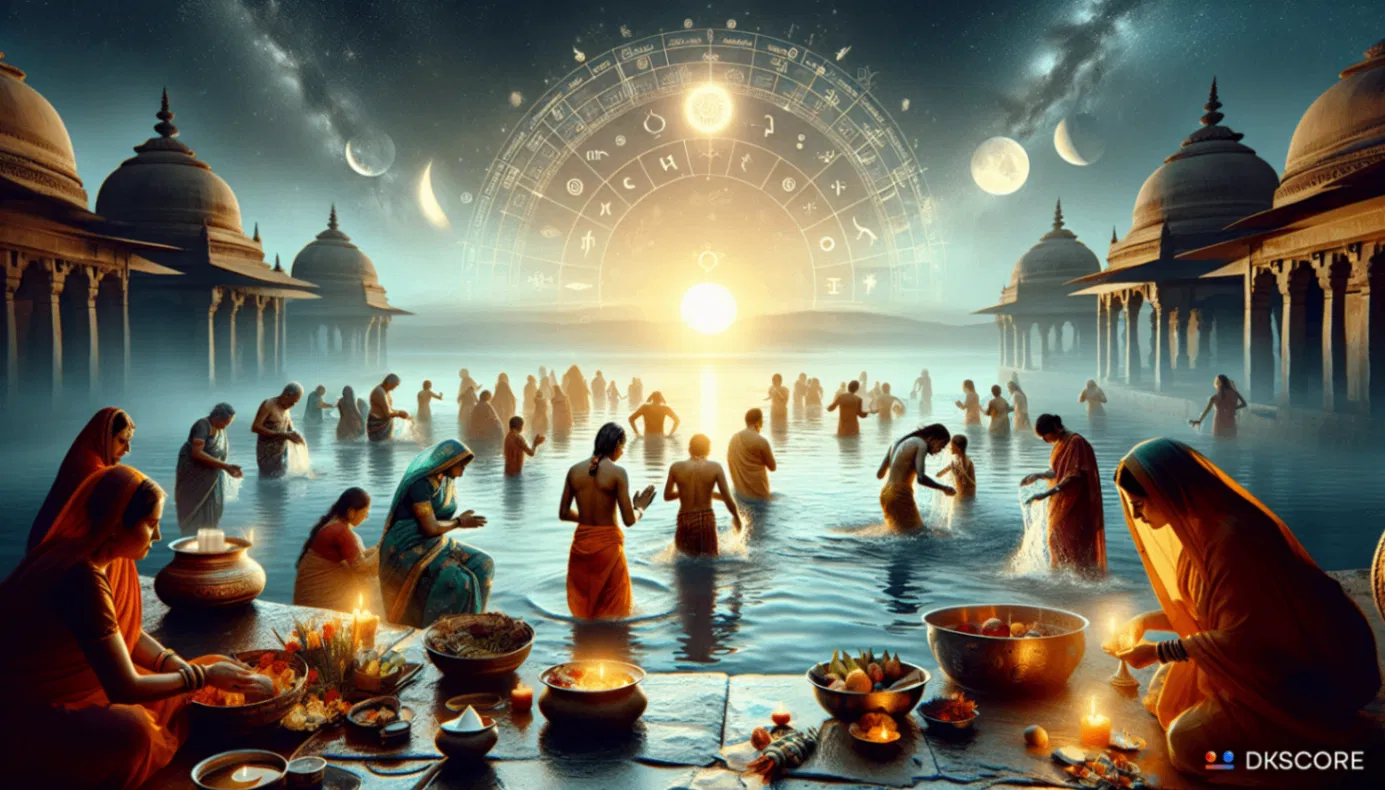
Vedic astrology offers a framework for understanding the timing and mood of spiritual observances. While no festival is guaranteed to follow a single planetary rule, astrologers look for favorable planetary alignments that support devotion, family harmony, and nurturing energy—qualities closely associated with Yashoda’s persona.

Key astrological ideas often discussed in relation to Yashoda Jayanti include:

  • Moon and the maternal impulse: A strong, well-placed Moon is believed to enhance feelings of compassion, empathy, and domestic harmony. The Moon’s sign placement (especially Water signs like Cancer and Pisces) is commonly viewed as fostering a soothing, motherly atmosphere during rituals and family gatherings.
  • Mercury’s influence on communication: When Mercury is favorably disposed, conversations around family values, guidance, and spiritual storytelling tend to flow more clearly, helping elders and children connect through shared narratives.
  • Jupiter and spiritual receptivity: A positive Jupiter influence can deepen religious interpretation, charitable impulses, and reverence for elders. It supports the learning and teaching aspects of stories about Yashoda and Krishna.
  • Avoiding adverse planetary transits: Times when malefic planets have strong aspects to the Moon or to the Sun are generally viewed as less ideal for large, celebratory rituals. In such windows, devotees often emphasize quieter, family-centered observances and personal reflection.

Practical astrology tips for participants:

  • Choose puja times when the Moon is auspicious for devotion, such as during a conjoinment with benefic planets or in signs associated with nurturing and home life.
  • Plan activities that align with the day’s energy: for example, family storytelling, cooking for others, and teaching younger family members about Krishna’s leelas.
  • Consult your local astrologer or temple priest for muhurats (auspicious moments) that align with your personal birth chart and regional panchang.

Yashoda Jayanti 2026 2024: Astrological Insights

Astrological insights for Yashoda Jayanti emphasize creating a conducive atmosphere for compassion, family bonding, and spiritual learning. Here are some commonly discussed themes when interpreting the year:

  • Moon-led resonance: When the Moon’s phase aligns with a favorable nakshatra for devotion, houses celebrate with more ease, allowing family members to share stories, songs, and prayers without tension.
  • Motherhood and leadership: The festival often brings a sense of leadership within the home—caretakers guiding younger members and elders sharing wisdom. The astrological tone can support teaching moments about values, kindness, and service.
  • Charity as practice: Compassionate acts—feeding the hungry, supporting new mothers, or aiding local women’s welfare initiatives—are auspicious during Yashoda Jayanti, aligning with the Venus-Jupiter synergy that favors generosity and community spirit.
  • Regional adaptions: Different communities adapt the celebration to reflect local deities, temples, and seasonal harvests. This flexibility is astrologically meaningful because it allows the energy of the moment to flow through culturally relevant channels.

A practical takeaway for families and organizers is to structure the day around meaningful, repeatable acts of care—cook together, share stories, and perform a simple family ceremony. The energetic emphasis on nurturing and protection can help reduce friction and invite a sense of warmth and togetherness.

Rituals and Practices of Yashoda Jayanti 2026

Rituals on Yashoda Jayanti are typically accessible to households of all sizes and levels of devotion. The goal is to create a welcoming, sacred space that honors Yashoda’s motherly love while inviting Krishna’s playful spirit into daily life. Here is a practical guide to observances:

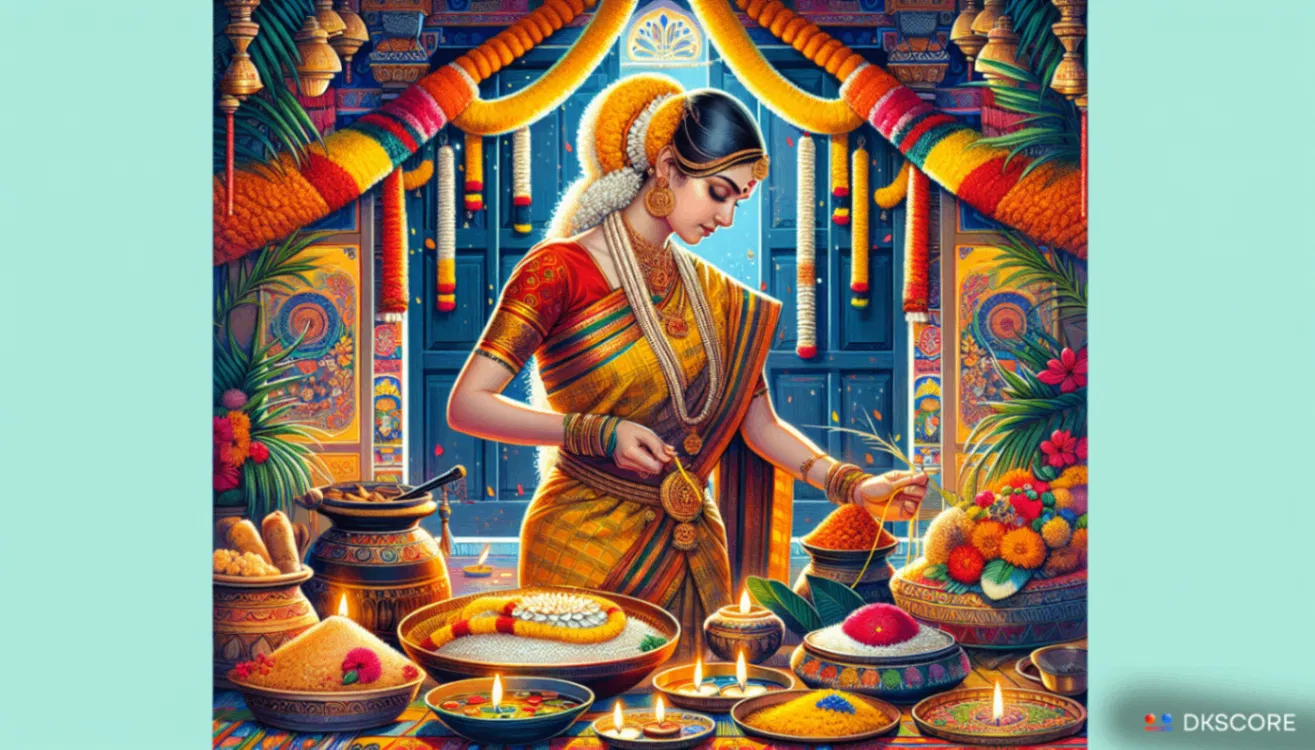
  • Cleanse and decorate the home: Begin with a thorough cleaning of living spaces. Decorate with marigold garlands, fresh flowers, and rangoli designs at the entrance to invite auspicious energy.
  • Idol or image worship (Murtipujan): Place a small idol or framed image of Yashoda with Krishna. Light a lamp (diya) and offer flowers, sandalwood paste, and a small amount of sweet prasad (food blessed in puja).
  • Abhishek and offerings: Perform a gentle abhishek (sacred bathing) of Krishna’s image using milk, yogurt, honey, ghee, and a pinch of saffron. Offer fresh fruit, sahil (dry fruits), and a bhoga of your choice.
  • Puja prayers and storytelling: Read or recount stories of Yashoda and Krishna. Traditionally, families share Krishna leelas that emphasize maternal care, courage, and divine play.
  • Prasad distribution: After the aarti, distribute prasad to family, neighbors, and guests. Sharing food is a powerful way to extend the season’s blessings outward.
  • Arati and kirtan: Conclude with aarti (lamp waving) and congregational bhajan or kirtan praising Krishna and Yashoda. Music languages vary—Hindi, Marathi, Gujarati, Kannada, Tamil, and others—depending on regional practice.
  • Charitable acts: Dedicate a portion of the day to charity, especially acts that support mothers, children, or senior citizens. Small acts of service multiply the day’s goodwill.
  • Family time and storytelling: End the day with family discussions about roles, responsibilities, and gratitude. Children can share what they learned and how they can show love in practical ways.

Practical tips:

  • Keep rituals simple if you are new to observances. A short puja, a small diya, and a story can be deeply meaningful.
  • Involve children by giving them a role—lighting a lamp, reciting a line from a krishna leela story, or preparing a simple dish for prasad.
  • Adapt the ritual pace to your household rhythm. Some families prefer a quiet, meditative approach; others enjoy singing and group chanting.

Health and Spiritual Benefits of Yashoda Jayanti 2026 Rituals

Observing Yashoda Jayanti offers both mental well-being and spiritual nourishment. The rituals cultivate mindfulness, gratitude, and social connection—factors linked to stress reduction and emotional resilience.

  • Emotional balance: Slow, deliberate ritual actions—lighting lamps, offering flowers, singing together—calm the nervous system and reduce daily stress. This creates a space for emotional regulation and a sense of safety within the family.
  • Strengthened family bonds: Shared prayers and storytelling bring generations together. Regular family rituals can improve communication, trust, and mutual support.
  • Healthy compassion: Acts of charity and feeding others cultivate a habit of generosity. Such altruistic behavior improves social connectedness and a sense of purpose.
  • Mindful eating: Preparing sattvic (pure) foods for prasad encourages healthier food choices and a slower, more intentional approach to meals.
  • Spiritual clarity: Recitation and devotion provide mental clarity and a sense of connection to something larger than oneself, which many find stabilizing during challenging times.

While the festival is not a medical program, its practices can complement overall well-being by reducing hurry, promoting patience, and encouraging meaningful social engagement.

Mantra Chanting During Yashoda Jayanti 2026

Chanting is a central part of festival observances. It helps focus the mind, vocalize devotion, and invite divine blessings. Here are some commonly used mantras and recommended practices:

  • Hare Krishna Maha Mantra: Hare Krishna, Hare Krishna, Krishna Krishna, Hare Hare; Hare Rama, Hare Rama, Rama Rama, Hare Hare. This universal chant invites Krishna’s presence and expands devotional feelings within the home.
  • Om Namo Bhagavate Vasudevaya: A classic mantra invoking Lord Vishnu as Vasudeva. It brings focus on divine protection, wisdom, and inner calm.
  • Om Namo Narayanaya: A foundational mantra that honors the universal form of the divine and fosters a sense of harmony and shelter.
  • Optional Yashoda- or Krishna-related prayers: If you have access to authentic texts such as a Yashoda Stuti or a Krishna Leela stotra, recite them with devotion. If you are unsure of the exact text, reciting the above mantras with a sincere heart is equally potent.

Practical chanting guidelines:

  • Use a mala (garland of beads) to count rounds (commonly 108 repetitions) or set a comfortable duration (e.g., 15–30 minutes).
  • Chant in a quiet, clean space. Create a small altar with a picture or idol of Yashoda and Krishna if possible.
  • Combine mantra recitation with soft singing of devotional bhajans to sustain energy and focus throughout the session.

Yashoda Jayanti 2026 in Modern Times

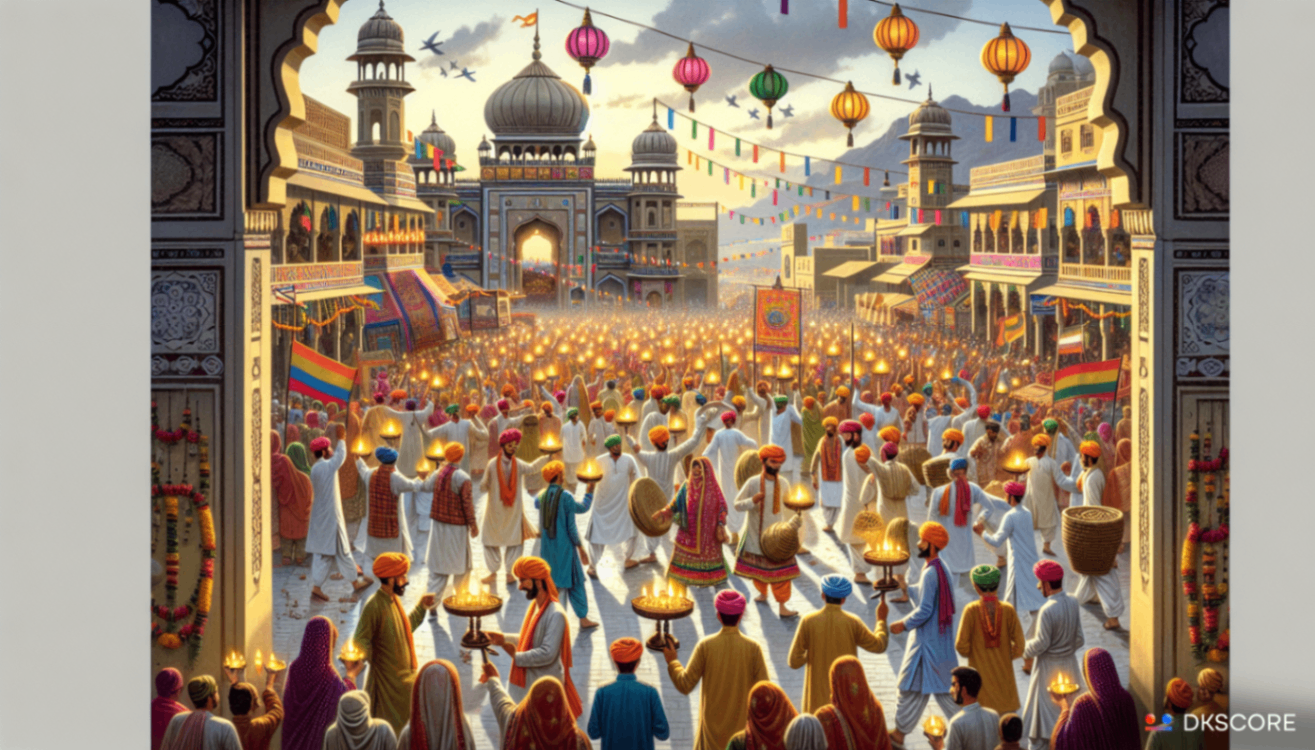
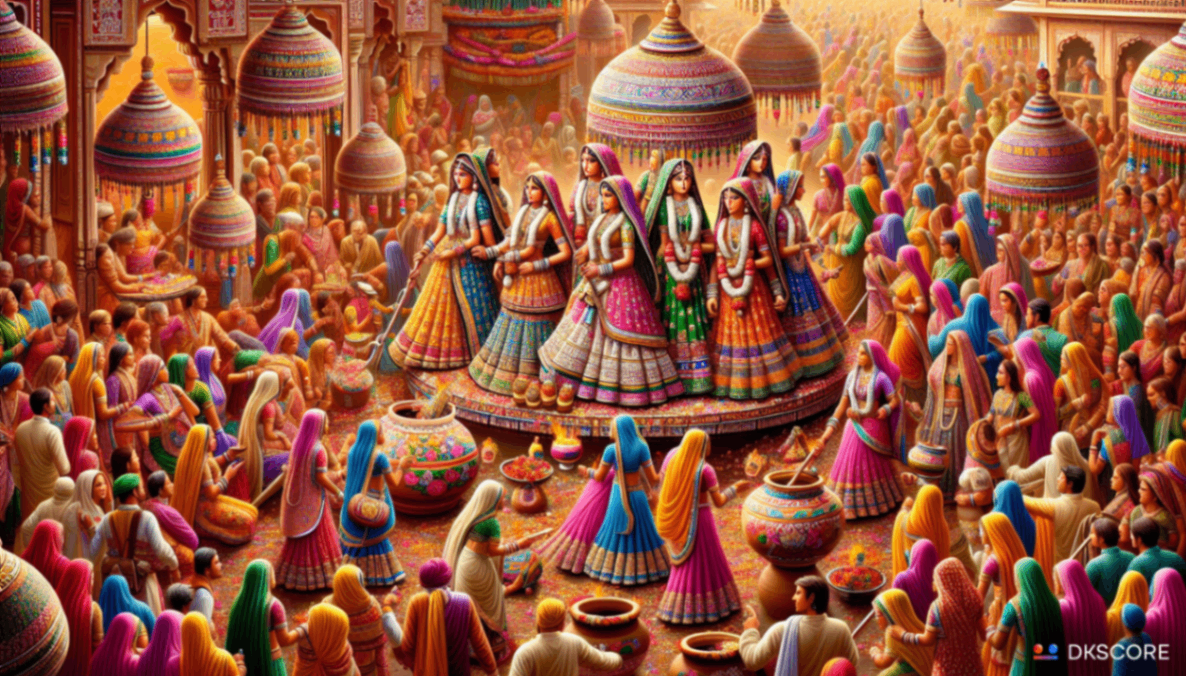
In contemporary public life, Yashoda Jayanti blends tradition with inclusive, community-centered celebrations. Temples host special aartis, storytelling sessions, and children’s activities, while households organize kitchen-centric seva and family pujas. The digital era has expanded access to resources, enabling people to participate from afar as well.

Some notable modern practices include:

  • Virtual darshan and live streams: Temples offer online darshan, lectures, and kirtan, allowing devotees who are far away to participate in real time.
  • Community kitchens and food drives: Langars and prasads are shared with neighbors, local shelters, or temple attendees. Food donations to mothers and families in need are common during the festival.
  • Interfaith and family dialogues: Community centers host talks about maternal virtues, family values, and compassion, inviting people from diverse backgrounds to reflect on shared human experiences.
  • Social media and storytelling: Short videos, posts, and podcasts recount Yashoda-Krishna stories, making the festival accessible to younger audiences and the diaspora.
  • Eco-friendly celebrations: Many communities emphasize sustainable decorations, reusable materials, and respectful handling of food and flowers in line with environmental concerns.

For individuals embracing modern life, Yashoda Jayanti offers a bridge between timeless devotion and everyday responsibilities. The emphasis remains on love, care, and service, with contemporary formats simply making those values more accessible and shareable.

Conclusion

Yashoda Jayanti 2026 stands as a radiant reminder of motherhood’s sacred power and the nurturing energy that supports all beings. It invites families to slow down, gather, and renew commitments to care, discipline, and service. Whether you are drawn to the mythic heart of Yashoda’s bond with Krishna, the astrological opportunities of the moment, or the practical rituals that structure daily life, the festival offers a holistic path to deeper devotion and community well-being.

By honoring Yashoda’s example, devotees cultivate a compassionate approach to their households, neighborhoods, and the wider world. The festival’s timeless message—that a loving home can be a gateway to spiritual awakening—remains relevant across generations and cultures. As you prepare for Yashoda Jayanti 2026, consider a simple, meaningful plan: light a lamp for protection and warmth, share a story that teaches kindness, and offer service to those in need. In doing so, you join a living tradition that has inspired countless families to lead with care and devotion.

Note: The information in this article reflects common practices across many communities. Local customs, temple calendars, and family traditions may vary. Always consult your temple or a trusted astrologer for region-specific dates, muhurats, and recommended rituals.

Charity and Donations

Joy Stories Foundations

Joy Story Foundation is a section-8, non-profit organization founded in November 2019, registered with Ministry of Corporate Affairs, Government of India. It aspires to build stories around “Joy for Everyone” by practicing the values of collective philanthropy and by maintaining utmost transparency in order to achieve it. Our vision is to ensure that we do our bit to free the world of gloom, sorrow, deprivation, pessimism, and pain by inducing small positive moments to bring joy in the world. And we would go to any extent to achieve that, irrespective of geographical boundaries, religion, age, color or need. Our giving would be completely unbiased, non- religious and non-political.