An in‑depth festival details page covering significance, date and timing, mythic stories, astrology, rituals, health benefits, mantras, and contemporary observances.
Understanding the Significance of festival Akhuratha Sankashti Chaturthi 2026
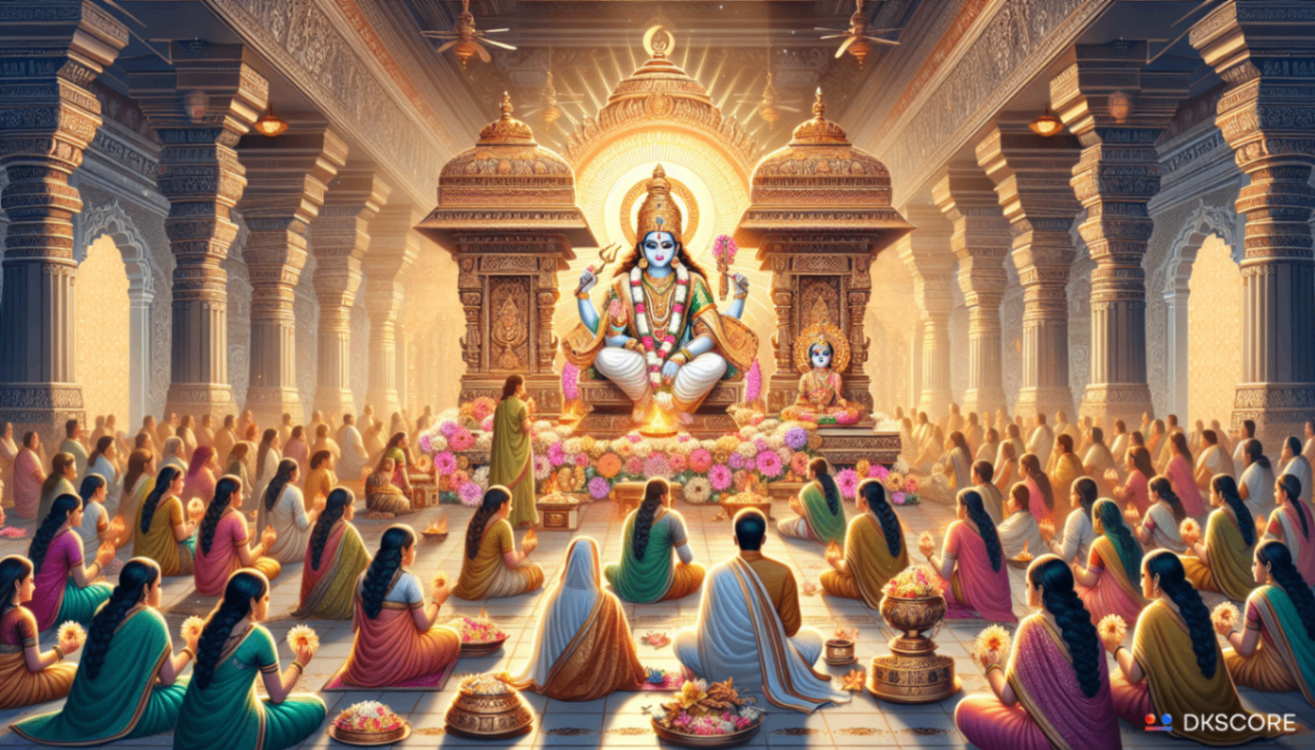
Akhuratha Sankashti Chaturthi is part of the broader Sankashti Chaturthi tradition, which honors Lord Ganesha—the remover of obstacles and the lord of wisdom. The term Sankashti itself refers to relief from difficulties or “sankat” in daily life. On the fourth lunar day (Chaturthi) after the new moon or the full moon in a given lunar fortnight (Krishna Paksha or Shukla Paksha, depending on local custom), devotees observe fasting and special puja to seek Ganesha’s blessings.
The Akhuratha variant is one of the many regional and seasonal expressions of Sankashti Chaturthi. The name Akhuratha is attached to a particular tithi window when this observance falls in a way that local temples and households deem especially auspicious. Communities across India celebrate with devotion, but the rituals, timings, and emphasis can vary. In 2026, you may notice regional differences in when the vrata is performed, what stories are recited, and which prayers are given prominence. Across traditions, the core idea remains: a day of focused reverence to Ganapati (Ganesha) to gain courage, clarity, and protection from troubles.
For families and temples, Akhuratha Sankashti Chaturthi also reinforces values like self-discipline, gratitude, community sharing, and mindful living. It is a time to pause, reflect on personal goals, seek forgiveness for transgressions, and restore harmony within the home. The festival is widely observed in urban centers and rural communities alike, often supplemented by cultural programs, devotional singing, and charitable meals.
Note: The depth and emphasis of the Akhuratha observance can differ by region. Always refer to your local
panchang and temple announcements for region-specific customs and timings for 2026.
Akhuratha Sankashti Chaturthi 2026 Date and Timing
The precise date of Akhuratha Sankashti Chaturthi 2026 depends on the Hindu lunar calendar observed in your area. Hindu tithi calculations are based on lunar days (tithis) and moonrise times, which differ by geographical location and local time zones. For Akhuratha Sankashti Chaturthi, the festival is observed on the fourth lunar day (Chaturthi) during the appropriate fortnight after the last full moon or new moon, depending on the regional tradition.
Key timing guidelines to understand:
- The vrata begins with the early morning ritual routine and a shower or bath (snana) as part of purification.
- The main puja to Ganapati is performed on the Akhuratha tithi, typically aligned with the dawn-to-late-afternoon period when the household lights the altar and a consecrated image or idol of Ganesha.
- Fasting rules vary: some devotees observe a semi‑fast (including fruit and milk), while others undertake a strict vrat with no food until moonrise.
- Moonrise marks the moment to break the fast (prasad or food offering), with the first sighting of the Moon considered highly auspicious.
- In many regions, a small ritual recitation of the Sankashti vrata story (katha) and aarti to Ganapati accompany the completion of the fast.
If you want the exact date for 2026 in your city or town, check a reliable local panchang or consult your temple. Digital panchang apps and temple notices in your area will usually publish the precise day, moonrise time, and auspicious muhurats for the Akhuratha Sankashti Chaturthi of the year.
Practical tip: Since
tithi timing can begin at sunrise and end at the sunrise of the next day (or be calculated from moonrise), many families adapt their schedule to the local sunrise and moonrise patterns. Always rely on your region’s
panchang for planning.
Mythological Stories Behind Akhuratha Sankashti Chaturthi 2026
Hindu stories associated with Sankashti Chaturthi center on Lord Ganesha as the remover of obstacles and the bestower of wisdom. Across regions, additional legends are told on this day to explain why the vrata carries special significance in 2026 and beyond. Here are a few commonly shared narratives that devotees often recount during Akhuratha Sankashti Chaturthi.
- The Moon God and Lord Ganesha’s Grace: A popular telling describes the Moon God (Chandra) as prideful and complacent. His vanity is said to invite a divine test or curse that creates trouble for those who worship him without understanding. To restore balance, devotees turn to Lord Ganesha on Sankashti Chaturthi, recite the vrat katha, and seek the remover of obstacles to temper pride and invite compassion. Lord Ganesha’s blessings on this day are believed to help devotees overcome difficulties and rekindle harmony in family life.
- Protection from Obstacles: Another tale emphasizes Ganapati’s power to shield devotees during challenging phases of life. The vrata is presented as a practice that invites focus, humility, and devotion, empowering the practitioner to face problems with steadiness.
- The Power of Pot-Bellied Compassion: Ganesha’s form—his large belly, wisdom, and playful demeanor—reminds worshippers that joy and seriousness can coexist. The Akhuratha celebration often blends solemn ritual with celebratory singing, highlighting the balance of devotion and delight.
In addition to these narratives, some communities recount regional stories tied to local temples and sages. The common thread across all versions is the belief that disciplined devotion to Ganapati on this day can transform fear into faith and confusion into clarity.
Note on regional variation: Mythological narratives may differ by language, region, and temple tradition. The core message remains: Ganapati’s blessing frees us from obstacles and lights the path toward wisdom.
Vedic Astrology and Akhuratha Sankashti Chaturthi 2026
Vedic astrology offers a framework for understanding how cosmic configurations influence individual and collective experiences on Akhuratha Sankashti Chaturthi. While astrology does not determine destiny, it provides a lens to interpret potential energetic influences and to plan auspicious activities with awareness.
Key astrological concepts often discussed in relation to Sankashti include:
- Tithi and Moon: The tithi is tied to the Moon’s position relative to the Sun. On Sankashti Chaturthi, the Moon’s visibility and its relationship to the day’s counting can be seen as a symbolic moment of mental clarity and emotional balance.
- Nakshatra and Rashi: Some astrologers discuss how the Moon’s nakshatra (lunar mansion) at the time of worship aligns with the aim of the vrata. Certain nakshatras are considered more auspicious for Ganapati pujas and vrata completion.
- Special planetary combinations (yogas) and the strength of the primary karaka (Moon as the mind or Chandra) can influence the energy of the day. Practitioners may use this insight to choose times of puja, fasting intensity, or the emphasis on specific mantras.
- Transits and Seasonal Shifts: In 2026, there may be notable planetary transits that astrologers watch for overall energetic themes—such as momentum in personal goals, changes in family dynamics, or shifts in public life—that could color how families approach the vrata.
It is important to remember that astrology serves as guidance, not a guarantee. Many people observe Akhuratha Sankashti Chaturthi simply to cultivate discipline, devotion, and a sense of sacramental rhythm in daily life, regardless of the exact planetary backdrop.
Practical takeaway: If you enjoy astrology, consult a trusted astrologer or a reliable regional
Panchang for 2026 to understand the specific
tithi and nakshatra timings for your locality. Use these insights to plan your vrat, prayers, and family activities with intention.
Akhuratha Sankashti Chaturthi 2026: Astrological Insights
Astrological insights for Akhuratha Sankashti Chaturthi focus on aligning personal intention with celestial rhythms. People who incorporate these insights often use the day to reflect on obstacles they face in life, and to set clear, compassionate, and practical goals for the coming weeks.
Some commonly discussed themes include:
- Clear intention: Writing a one-page vrat sankalpa that states a specific, achievable goal can help channel energy constructively.
- Balanced fasting: For many, a balanced approach to fasting—such as a light dawn meal and a simple, nutritious dinner—helps sustain focus and vitality through the day.
- Mindful actions: The day is viewed as an opportunity to practice restraint in speech and action, which is seen as a form of spiritual purification.
- Compassionate service: Acts of giving—like sharing prasad or distributing basic necessities to neighbors—are believed to attract Ganapati’s grace.
Practical guidance for 2026 suggests coordinating your vrata with family schedules, temple darshan times, and community events. If you learn a short invocation or read a brief Sankashti katha aloud, it can deepen the resonance of the day for every participant.
Rituals and Practices of Akhuratha Sankashti Chaturthi 2026
A well-structured vrata involves several layers of ritual, from the waking-day routine to the moment the Moon is sighted. The exact steps may vary by family tradition, temple practice, or regional customs, but the core sequence generally remains consistent.
- Preparation and purity: The day starts with bath, clean clothes, and a clean altar. Fresh flowers, sandalwood paste, incense, and a Ganapati idol or picture are prepared.
- Kalash and altar setup: A small altar with Ganapati’s image, a lamp (deepar) and a container of water is arranged. A red or yellow sacred thread (mala) may be tied on the idol or on the devotee’s wrist as a sign of commitment to the vrata.
- Kalashsthapana (invocation of auspicious elements): The kalash (pot) is brought to the altar with prayers to the divine presence of Ganapati around the home.
- Sri Ganapati Puja: Chanting of Ganapati mantras, offering modak (traditional sweet dumplings) and coconut, and the inclusion of a prasad made of fruits or grains.
- Sankalpa (determination): The devotee states the vrata’s intention—what obstacle to overcome, what virtue to cultivate, or what problem to resolve.
- Vyavaharik Puja and Aarti: A short pooja, bhajans, and aarti to Ganapati with the waving of lamps and the bell ringing to invite divine presence and remove fear.
- Recitation of the Sankashti Katha: A tale or legend related to Sankashti is recited or read aloud for the family. This storytelling strengthens the devotional mood and teaches moral lessons.
- Prasad distribution: After the aarti, prasad—often a sweet like modak or laddu, along with fruit and coconut—are shared with family, neighbors, and the less fortunate.
- Break of the fast (Moonrise): The fast is typically broken after the Moon is sighted and confirmed through local authorities or temple announcements. A small meal or fruit is shared to end the vrata.
In urban settings, many households also participate in community pujas at temples or in virtual darshan sessions. Eco-friendly practices—like clay idols, natural colors, and minimal plastic use—are increasingly common to honor the ecological sensibilities of contemporary celebrations.
Ritual tips: If you are new to the vrata, start with a simple puja at home, learn two Ganapati
mantras, and gradually add the katha reading and group singing. This helps sustain the practice without feeling overwhelmed.
Health and Spiritual Benefits of Akhuratha Sankashti Chaturthi 2026 Rituals
Observing Akhuratha Sankashti Chaturthi offers a range of health and spiritual benefits, especially when the vrata is approached with mindfulness and care. The practices of fasting, prayer, and ritual purity can positively influence physical health, mental well-being, and social connectedness.
- Physical well-being: Short-term fasting with nourishing, easily digestible foods after the Moon sighting can support digestive health and give the body a gentle rest from heavy meals.
- Mental clarity: A disciplined ritual schedule often reduces impulsive behavior, lowers stress, and fosters a calm mind during the day of worship.
- Emotional balance: The focus on gratitude, family harmony, and acts of kindness can improve emotional resilience and social bonds.
- Spiritual alignment: Chanting, mantra repetition, and storytelling anchor a sense of purpose and inner alignment with shared values.
It’s important to listen to your body. If fasting causes dizziness, dehydration, or weakness, adapt the vrat with light meals or consult a healthcare professional. Spiritual practice should support health and well-being, not compromise it.
Safety reminders: Hydration, gentle physical activity, and avoiding overexertion are sensible during vrat days. If you have medical conditions or are pregnant or elderly, consider a moderated form of fasting or consult a physician before commencing a strict fast.
Mantra Chanting During Akhuratha Sankashti Chaturthi 2026
Mantras are the sonic anchors of devotion in Hindu practice. For Akhuratha Sankashti Chaturthi, devotees often chant a mix of Ganapati prayers, stotras, and katha resonances. Repetition of sacred syllables can help focus the mind and invite a devotional mood conducive to inner peace and spiritual insight.
Typical mantras used on this day:
- Om Gan Ganapataye Namah — a universal Ganapati mantra invoking Ganapati’s energy and remover of obstacles.
- Vakratundaya Mahakaya, Surya Koti Samaprabha, Nirvighnam Kurume Deva, Sarva Karaka Sarva Kaara — the famous Vakratunda mantra that extols Ganapati’s wisdom and power to remove obstacles.
- Om Shri Ganeshaya Namah — a respectful, concise salutation to the Lord of obstacles and beginnings.
- Om Lambodaraya Namah — another widely recited form focusing on Ganapati’s gentle, protective aspects.
Practical chanting suggestions:
- Use a mala with 108 beads and recite each mantra 11, 21, or 108 times, depending on your time and energy.
- Sing or hum bhajans in a simple melody to invite a joyful, focused atmosphere.
- Plan the chant around the puja hours, so that the closing arati and moonrise are harmoniously integrated with the mantra practice.
Pronunciation tip: If possible, learn the correct Sanskrit pronunciation from a learned teacher or a trusted audio resource. Clear pronunciation deepens the devotional experience and respects the tradition.
Akhuratha Sankashti Chaturthi 2026 in Modern Times
Like many Hindu festivals, Akhuratha Sankashti Chaturthi has adapted to urban life, digital connectivity, and changing social norms. Modern observances retain the essential spiritual aims while embracing new platforms and eco-conscious choices.
How the festival manifests in contemporary life:
- Temples host special Sankashti pujas with priest-led recitations, group aarti, and prasads. Community members may gather for a shared song and a collective reading of the vrat katha.
- Home celebrations: Families set up a simple Ganapati altar, perform a short puja, and read or listen to a katha together. The focus is on togetherness, learning, and mutual support.
- Digital darshan and social sharing: Many temples stream live darshan or publish online puja videos. Social media posts about the vrat, photos of prasad, and short devotional clips have become common.
- Eco-friendly practices: Growing numbers of participants use clay idols, natural dyes, and reusable containers for prasad to minimize environmental impact.
- Charitable acts: The vrat often inspires acts of service—feeding the hungry, donating to charity, or helping neighbors with daily tasks during the festive period.
For 2026, communities may organize volunteer-led programs, interfaith dialogues, and cultural programs that celebrate art, music, and dance while honoring the core spiritual aim of Ganapati worship.
Practical modern tips: If your schedule is tight, plan a compact, meaningful ritual at home or join a local temple program. Use digital resources to learn the katha and
mantras, but balance screen time with offline practice to keep the day grounded.
Conclusion
Akhuratha Sankashti Chaturthi 2026 offers a meaningful opportunity to pause, purify, and recommit to the values of devotion, family welfare, and personal growth. Whether you follow a traditional route with strict fasting and temple rituals or you adapt the vrata to fit modern life, the essence remains the same: Ganapati’s grace is sought to dispel fear, remove obstacles, and illuminate the path ahead.
In a rapidly changing world, festivals like Akhuratha Sankashti Chaturthi remind us of enduring practices—discipline, gratitude, community, and compassion—that nurture inner strength and public harmony. By embracing both time-honored rituals and contemporary expressions—such as eco-friendly observances, virtual darshan, and charitable acts—we keep the festival relevant and inclusive for families across different regions and backgrounds.
As you prepare for Akhuratha Sankashti Chaturthi 2026, consider these practical steps:
- Consult your local panchang or temple calendar to confirm the exact date and moonrise time for your area.
- Prepare a small, peaceful altar with Ganapati imagery and natural decorations.
- Decide on a suitable fasting approach that respects your health and daily routine.
- Learn a short katha or read a simple legend with family members to deepen understanding.
- Share prasad with neighbors and participate in community acts of service.
Whether observed in a crowded city temple or a quiet village home, Akhuratha Sankashti Chaturthi 2026 invites reflection, devotion, and generosity. May Ganapati bless your efforts and remove obstacles on the journey ahead.


 Akhuratha Sankashti Chaturthi


 Pooja Vidhi
 Benefits
 Mantras
 Rituals
















 Donation Links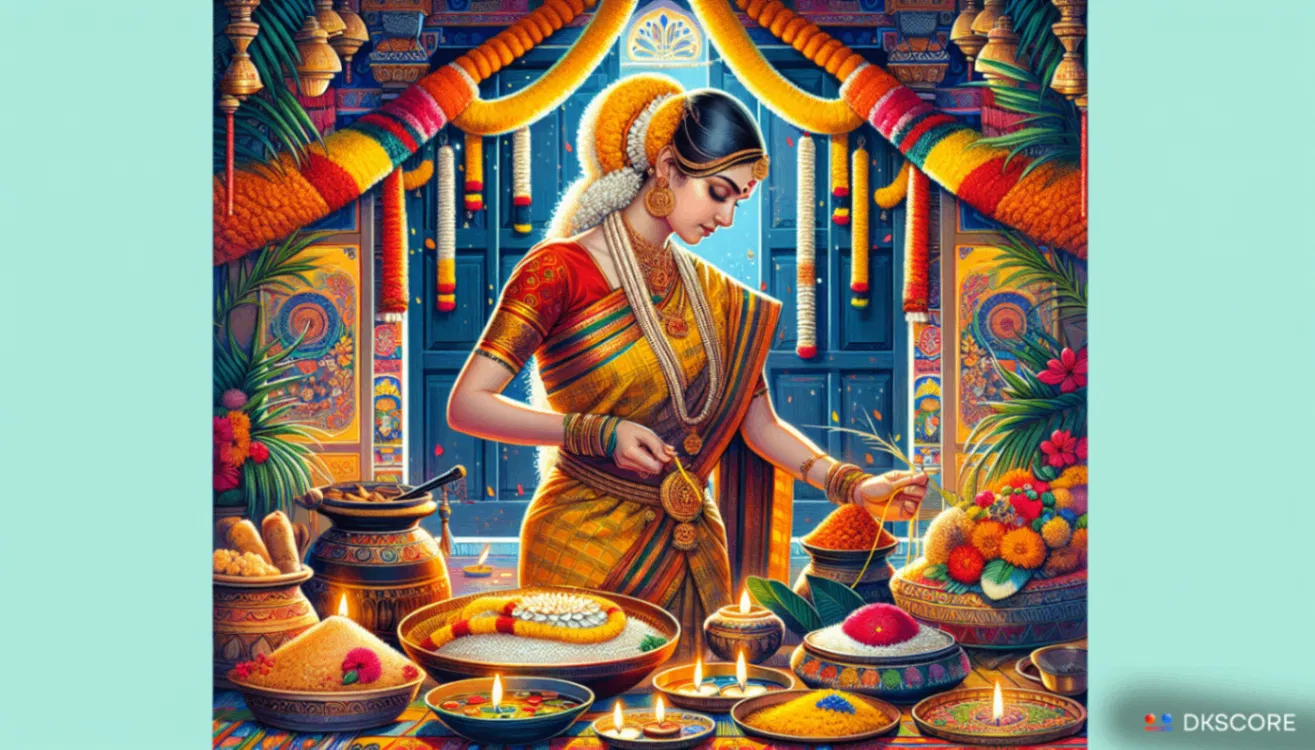







 Download App