


 Winter Solstice


 Pooja Vidhi
 Benefits
 Mantras
 Rituals
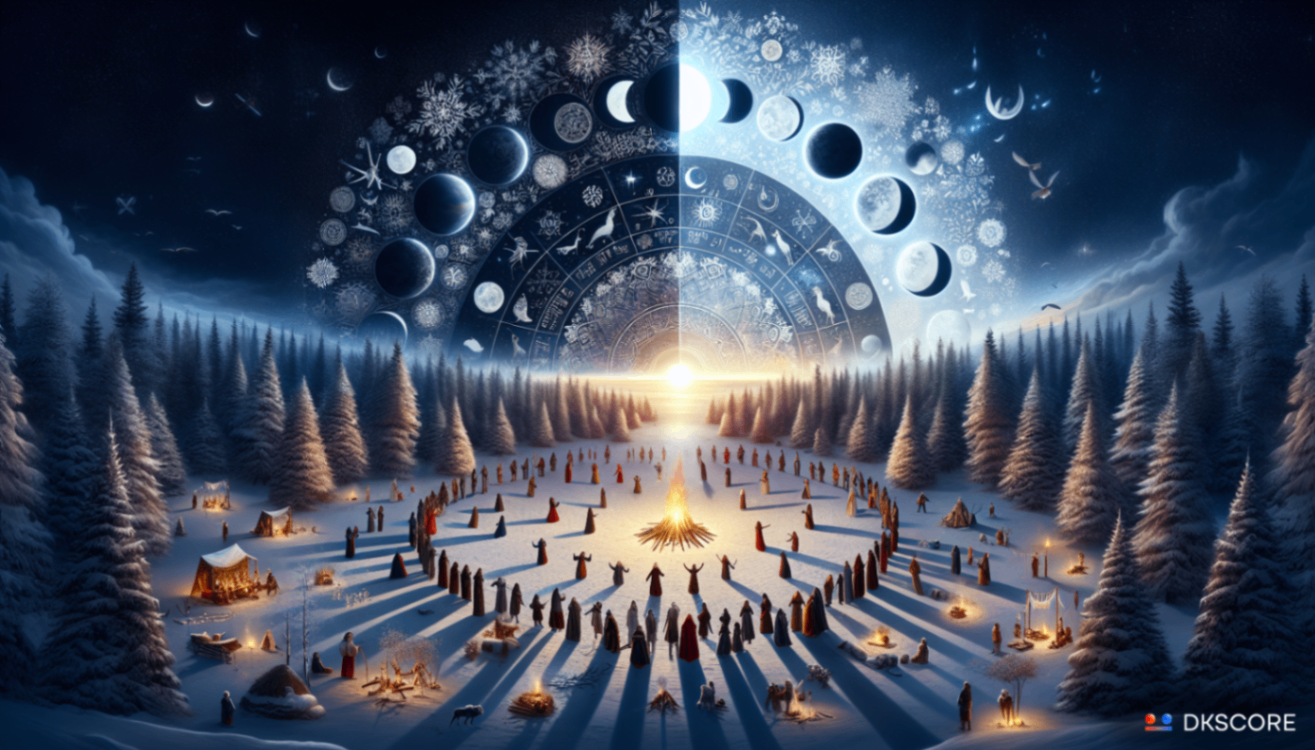
The Winter Solstice 2026 marks a turning point in many cultures around the world. It is a moment when daylight is at its shortest in the Northern Hemisphere and, for a time, night feels longest. Yet this is also the moment when the days begin to grow longer again. This article explores the significance, timing, myths, and practical ways people celebrate the Winter Solstice in 2026. It also highlights how solstice observances blend ancient wisdom with modern life. Whether you observe a formal tradition or simply enjoy the quiet of late December, the solstice offers a chance to pause, reflect, and welcome the returning light.
Understanding the Significance of festival Winter Solstice 2026
The Winter Solstice is more than a calendar blip. It is a symbol that light can return after the darkest days. Across many cultures, this moment is tied to cycles of nature, agriculture, and time itself. It signals a shift in the sun’s path and a reminder that life moves in seasons. For ancient peoples, the solstice was a practical cue—when to harvest, when to prepare winter stores, and when to gather for communal warmth.
In a broader sense, the solstice invites inner balance. Short days push us inward, while the promise of growing light pushes us outward. This dynamic often leads to rituals that honor both the inner work of the soul and the outer acts of care for family, friends, and community. In 2026, the solstice also serves as a crossroads for many spiritual traditions. People combine prayer, art, music, and service to mark the turning of the year.
Key ideas to carry into the season include gratitude for what has passed and intention for what lies ahead. The solstice can become a daily practice: a moment of stillness, a note of appreciation, or a small act of kindness that brightens someone else’s day. When communities come together for a solstice event, the shared light can become a powerful symbol of resilience and hope.
Winter Solstice 2026 Date and Timing
In the Northern Hemisphere, the Winter Solstice occurs once a year and marks the moment when the Sun reaches its lowest arc in the sky. It is the shortest day of the year in terms of daylight. In 2026, December 21 is typically recognized as the solstice day in many places, though the exact timing depends on your time zone. Some regions may experience the solstice on December 21, while others observe it on December 22.
Why the variation? The solstice is an astronomical event defined by the Sun’s position relative to the Earth. Local factors such as time zone, longitude, and the calendar you follow can shift the formal moment. For practical purposes, most people use local sunrise and sunset times to reflect how the solstice feels in daily life.
Another aspect to note is daylight duration. The solstice day is the shortest daylight day of the year. In the far north, people may experience polar night, when the sun does not rise for part of the day. In more southern latitudes, the day is still short, but the daylight hours are longer than at higher latitudes. The exact amount of daylight depends on where you are on the globe.
For families and communities planning celebrations, a practical approach is to choose a local date and time that feels meaningful. Some people hold morning rituals near sunrise, others host gatherings at dusk, and some align activities with the moment of the solstice in their time zone. Whatever the timing, the essence remains the same: honoring the turning point and inviting light back into life.
Mythological Stories Behind Winter Solstice 2026
Myths about the solstice are rich and varied. They reflect human ideas about light, darkness, birth, and renewal. Here are some common strands from different cultural traditions that illuminate the meaning of Winter Solstice 2026.
- Sol and Mani (Norse and Germanic traditions): In ancient Northern European cultures, the Sun goddess Sol (also called Sunna) was said to guide the day. The solstice celebrated her slow return as days lengthened and the world slowly warmed. Stories often emphasize courage, endurance, and the idea that light conquers darkness.
- Yule and the Year’s Turning (Germanic and Celtic traditions): Yule celebrations honored the rebirth of the Sun and the cyclical nature of time. Fire, feasting, and oak or evergreen branches symbolized warmth, protection, and continuity. The season was a time to come together, tell stories, and share food.
- Dongzhi and the Balance of Yin and Yang (East Asia): The Dongzhi festival in Chinese culture marks the solstice as a time of balance between light and dark. It is a moment to seek harmony, gather with family, and prepare for the lengthening days ahead.
- Uttarayana and the Sun’s Northward Journey (Vedic traditions): In Vedic astronomy, the winter solstice is linked to the sun’s northward journey after Dakshinayana. This shift is often seen as a time of spiritual ascent, increased energy for undertakings, and a renewal of vow and intention.
- Other Traditions: Many cultures place lamps, flames, or candles at windows, light a Yule log, or perform cleansing rituals to honor light returning. Music, dance, and seasonal foods also play central roles.
By exploring these myths, readers can find threads of meaning that resonate with their own life. The solstice invites reflection on how darkness has shaped us and how light can guide future actions. Myths are powerful storytelling tools that offer language for the emotions people feel at this time of year.
Vedic Astrology and Winter Solstice 2026
Vedic astrology, also known as Jyotish, places a strong emphasis on the movement of the Sun through the zodiac. The winter solstice aligns with a shift known in South Asian traditions as the change from Dakshinayana to Uttarayana. This shift is often described as the sun beginning its northern journey, a time of rising energy, clarity, and renewed purpose.
In practical terms, Vedic astrologers may interpret the solstice as a moment when the Sun’s strength begins to increase toward the most powerful signs of the year. The exact details depend on the individuals birth chart and the current planetary positions. For many, this period supports setting intentions that are aligned with long-term goals, sustainable habits, and acts of service.
It is common to consult the Navamsa chart and festive positions around the solstice to see how it interacts with one’s personal signs. Some practitioners hold special rituals, prayers, or mantras to honor Surya (the Sun) during this time. These practices are chosen to honor personal growth, health, and spiritual growth as the days begin to lengthen.
Winter Solstice 2026: Astrological Insights
Astrology views the solstice as a pivot point. The Sun’s position in the zodiac—typically near Capricorn in Western astrology during the solstice season—emphasizes cardinal energy, responsibility, and practical action. This can heighten a sense of discipline, the ability to plan for the long term, and a focus on goals with realistic steps to achieve them.
Individuals may notice a shift in mood or motivation. Some people feel more drawn to organization, decluttering, and setting concrete milestones. Others experience a pull toward community service, family duties, or personal healing work. In 2026, the exact planetary alignments will color these energies. While the Sun’s sign is a useful guide, your personal birth chart will show how strongly these themes show up in your life.
A practical takeaway from astrological insights is to use the solstice as a planning moment. Write down one or two meaningful intentions for the coming months. Make them specific, measurable, and kind to yourself. Pair these intentions with a small, simple action you can perform weekly. The ancient understanding of solstice energy supports small, steady steps toward a brighter future.
Rituals and Practices of Winter Solstice 2026
Rituals help translate astronomical events into personal experience. They create a tangible connection between science, myth, and daily life. Here are practical, inclusive rituals you can adopt for Winter Solstice 2026.
- Light a candle or lamp ritual: Place a single light near a window or altar. As you light it, reflect on the year’s challenges and how you kept going. Consider a second light for someone you want to support in the coming year.
- Create a solstice altar: Use evergreen greens, crystals, photographs, and symbols of light. Add a note or token representing a personal goal for the year ahead. Spend a few minutes in quiet meditation before the altar.
- Journal and release: Write about burdens you want to release. Then fold or tear the page as a symbol of letting go. You can also plant a seed or sprout in soil as a metaphor for new growth.
- Nature walk and reflection: Take a short walk outdoors to observe the stillness of winter. Notice how life persists in seeds, animals, and plants. Bring a small object back as a reminder of resilience.
- Feast with intention: Share a simple, seasonal meal with loved ones. Use foods that symbolize warmth and renewal—cinnamon, citrus, root vegetables, and hearty grains. Eat mindfully and give thanks for nourishment.
- Community service or giving: Offer time or resources to someone in need. Solstice energy often inspires generosity and care for others.
- Creative offerings: Write a poem, compose a short song, or craft a small ritual item. Channel the creative energy of returning light into art.
- Digital reflection for global audiences: If you live far from loved ones, host a virtual gathering or share a short message of light and gratitude online. Small acts of connection matter in a connected world.
If you prefer a structured plan, consider this simple 3-day framework:
- Day 1: Light and gratitude—light a candle, list things you appreciate, and name what you wish to release.
- Day 2: Reflection and intention—journal about lessons learned, set 1–3 concrete goals, and choose a small action to start.
- Day 3: Service and connection—offer help to someone else or join a community activity that promotes light and warmth.
Health and Spiritual Benefits of Winter Solstice 2026 Rituals
The solstice rituals offer a blend of physical and spiritual benefits. Practicing mindful rituals can improve mood, sleep quality, and resilience. Here are some benefits people report when they engage in solstice activities in a thoughtful way.
- Improved sleep and circadian balance: Gentle rituals support healthier sleep patterns by aligning activity with natural light cycles. Paying attention to daylight and darkness helps regulate hormones like melatonin.
- Reduced stress and anxiety: Slow, mindful practices such as journaling and light meditations calm the nervous system. The act of releasing burdens can ease mental strain.
- Stronger social bonds: Sharing rituals with family and community fosters warmth, belonging, and support networks—key factors for emotional well-being.
- Increased gratitude and focus: Reflecting on the year builds gratitude and clarifies what matters most. This focus can improve decision making and goal setting.
- Enhanced resilience: Facing winter’s darkness with purposeful acts can strengthen inner resolve. You learn that small, consistent steps matter over time.
- Mindful self-care: Rituals remind you to care for body and mind. Gentle movement, nourishing food, and downtime prevent burnout during the busy season.
Health benefits come with mindful boundaries. If you have a medical condition or seasonal affective disorder, adapt rituals to your needs. For example, consult a clinician about light therapy or sleep schedules. The point is to honor the season while staying attuned to your body.
Mantra Chanting During Winter Solstice 2026
Chanting mantras during the solstice can focus intention and invite calm, clarity, and light. The sound of a mantra helps align breath and attention, turning the moment into a vivid practice.
Here are several accessible mantras you can use. You can chant aloud, whisper, or recite mentally. Feel free to choose one that resonates with you.
- Gayatri Mantra (Om Bhur Bhuva Svaha, Tat Savitur Varenyam, Bhargo Devasya Dhimahi, Dhiyo Yo Nah Prachodayat): A universal prayer for illumination, wisdom, and guidance. Meaning: Let us meditate on the glorious light of that creator who inspires our understanding.
- Surya Mantra (Om Suryaya Namaha): A simple invocation to the Sun to bless the day with strength and vitality. Meaning: I bow to the Sun.
- Aditya Hridaya (a core prayer to Surya): A longer hymn that celebrates the Sun’s healing power. It is often recited in the morning for focus and courage.
- Om Mane Padme Hum (a universal compassionate chant): While not Sun-specific, this mantra fosters compassion and inner light, which suits the solstice mood.
- Shanti Mantras (Om Shanti Om Shanti): Short, soothing mantras for peace. They help center the breath and calm the mind.
Practical tips for chanting:
- Start with a few explanatory breaths to settle the mind.
- Keep a comfortable pace; don’t rush the syllables.
- Or pair a mantra with a short breath meditation, inhaling for a count of four and exhaling for a count of six.
- Use a journal to note any shifts in mood or focus after chanting.
Winter Solstice 2026 in Modern Times
Modern life blends tradition with technology, convenience, and a growing emphasis on sustainability. Solstice celebrations today often mix family rituals, community activities, and online gatherings. Here are ways the solstice is observed in contemporary settings.
First, people create inclusive rituals. Families with diverse backgrounds blend their own customs with universal symbols of light. Second, many communities host public events—lantern parades, communal feasts, musical performances, and outdoor vigils. Third, online and hybrid formats bring distant friends together. A virtual shared meditation, live-streamed concerts, or online workshops can extend the reach of solstice energy beyond local boundaries.
Sustainability has become a meaningful theme. Solstice events often emphasize energy conservation, minimal waste, and honoring nature. People might plant trees, start a neighborhood compost project, or organize a cleanup. Eco-friendly crafts, secondhand decorations, and locally sourced foods reflect contemporary values.
In 2026, solstice celebrations also offer space for dialogue about mental health, climate action, and social connection. Small communities use these conversations to build resilience and practical plans for the year ahead. Whether you join a city-wide festival or a quiet family ritual, the core message remains the same: light emerges when we come together with intention.
For individuals seeking personal growth, the solstice is a natural time to set goals that matter. Focus on one or two meaningful projects, create concrete steps, and track progress through the year. The idea is not to overload the schedule but to nurture consistency and hope.
Conclusion
Winter Solstice 2026 offers a rich tapestry of meaning drawn from astronomy, myth, spirituality, and everyday life. It is a moment to honor the short days and the promise of longer light ahead. By understanding the science, hearing the stories, and practicing thoughtful rituals, you can turn the solstice into a powerful starting point for the year to come.
Whether you lean on ancient myth, Vedic wisdom, or modern routines, the core message remains universal: light returns, and with it a chance to renew, reconnect, and act with intention. Use this guide to plan your own solstice experience. Invite loved ones, reach outward to your community, and listen for the quiet guidance that the season offers. May Winter Solstice 2026 bring clarity, calm, and a renewed sense of light in your life.





 Donation Links



 Download App