
Ganesh Chaturthi 2026: Festival Dates, Timings & Celebrations

 Home
Home DKSCORE AI
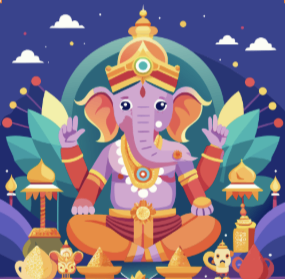 Ganesh Chaturthi 2026
Ten-day festival honoring Lord Ganesha.
festival
Ganesh Chaturthi 2026
religion
Hinduism
Date
14-09-2026
day
Monday
Muhurat time
--
Duration
--
 Festival Date
14 Sep, 2026
Ganesh Chaturthi
 Today Date
20 Feb, 2026
Ganesh Chaturthi
Time Remaining
Why we Celebrate Ganesh Chaturthi ?
Occurs on the fourth day of the bright half of Bhadrapada. Ganesh Chaturthi is celebrated to honor the birth of Lord Ganesha, the remover of obstacles and the god of wisdom, prosperity, and new beginnings.
Important Days
Meditation and Mantras
Ganesh Chaturthi 2026: Dates, Timings & Celebrations
Ganesh Chaturthi is one of the most beloved Hindu festivals. It marks the birthday of Lord Ganesha, the elephant-headed god who is revered as the remover of obstacles and the deity of beginnings. The year 2026 brings its own unique rhythms to this festival, with traditions that blend ancient stories, religious rituals, and contemporary practices. This article provides a comprehensive look at Ganesh Chaturthi 2026, covering its significance, dates, myths, astrology, rituals, health and spiritual benefits, mantra practices, and how the festival has evolved in modern times. It’s designed to be a complete guide for families, communities, and readers seeking a deeper understanding of this celebration.
Understanding the Significance of festival Ganesh Chaturthi 2026
Ganesh Chaturthi centers on the birth of Lord Ganesha as a divine son who brings wisdom, prosperity, and good fortune. The festival embodies several layers of meaning that resonate across generations and regions. It is a celebration of:
- Divine beginnings: Ganesha is invoked at the start of new ventures, journeys, and projects. His arrival signals a favorable start and the removal of obstacles along the path ahead.
- Family and community harmony: The festival gathers families and neighbors in shared rituals, mandal (community) devotion, and collective service. It creates bonds that extend beyond the home.
- Environmental and cultural values: Modern celebrations emphasize sustainable practices, cruelty-free foods, and respect for nature. This aligns spiritual rituals with responsible living.
- Art, music, and storytelling: From clay idols to pageants and bhajans, Ganesh Chaturthi is a cultural stage where tradition and creativity meet each year.
In 2026, these dimensions matter more than ever. They offer a framework for families to honor tradition while adapting to contemporary life. The festival encourages inner reflection—an opportunity to cultivate gratitude, generosity, and mindful action—alongside outward celebrations that delight the senses and strengthen social ties.
Ganesh Chaturthi 2026 Date and Timing
The date of Ganesh Chaturthi is determined by the Hindu lunisolar calendar. It occurs on the fourth day (Chaturthi) of the bright half (Shukla Paksha) of the Bhadrapada month. This makes the date vary from year to year and from place to place, depending on local panchangs (Hindu calendars) and temple traditions.
In 2026, most communities observe Ganesh Chaturthi sometime between late August and mid-September. Because the festival is tied to lunar timings, the exact day shifts with the moon’s phases and tithis (lunar days) in a given region. For this reason, the precise date is typically announced by local temples, priests, and panchangers closer to the season. If you are planning ahead, check your regional panchang or temple calendar for the exact date in your city or town.
Timing and schedule also vary by region, but common patterns apply across India and among the global Indian diaspora:
- Pranapratishtha and installation (Pratishtha): The idol installation usually takes place during the early morning Muhurat window, often a few hours after dawn, and sometimes timed to Brahma Muhurat (roughly before sunrise) in many communities.
- Daily rituals: Each day features puja, aarti, bhajans, and offerings. Families often hold the principal puja in the morning and evening, with midday offerings in many households.
- Visarjan (immersion): The festival’s immersion typically occurs on Anant Chaturdashi, the 14th day of the festival. In urban areas, large processions lead the idol to rivers or seas for immersion. Smaller, eco-friendly idols are often immersed at home or in local water bodies with care for the environment.
Practical guidance for planning your celebrations in 2026:
- Consult your local temple or a trusted panchang to confirm the exact date, time for installation, and recommended muhurats.
- Prepare the idol and puja materials ahead of time to avoid last-minute rushes.
- Choose eco-friendly idols made from natural clay to protect waterways and ecosystems during visarjan.
- Consider a staggered schedule for activities if you have a large family or a community pandal to ensure safety and focus during puja.
Mythological Stories Behind Ganesh Chaturthi 2026
Ganesh Chaturthi is rooted in ancient myths that explain Ganesha’s unique status in the Hindu pantheon. The most widely told legends describe his birth and why he is honored before starting any undertaking. Here are the core stories you are likely to hear during the festival season:
The Birth of Ganesha
According to popular legend, Parvati, the divine mother of Ganesha, created a boy from the sandalwood paste she used to wash her body. She breathed life into the figure and named him Vinayaka, a child who would be her loyal guardian. Parvati charged Ganesha with guarding her while she bathed. When her husband, Lord Shiva, returned and wished to enter, Ganesha barred him, following his mother’s instructions to protect her privacy. Enraged, Shiva beheaded the child. Parvati was heartbroken, and the gods feared the disruption of cosmic order.
To restore balance, Shiva promised to bring Ganesha back to life. A celestial head was found, and it was attached to the body of Vinayaka, who then became the elephant-headed god we know as Ganesha. From that day, Ganesha’s form symbolized wisdom, strength, and the ability to overcome obstacles. The act of restoring life was seen as a reminder that divine power can transform limitations into blessings.
The Vighnaharta and the Obstacle-Breaker
Ganesha is worshipped as the remover of obstacles and the god who removes difficulties from new ventures. This role is central to the festival, because people invoke Ganesha at the outset of a project—construction, travel, exams, business deals, and family decisions. The stories emphasize the belief that with Ganesha’s blessing, a seeker can begin with clarity, focus, and steadfast momentum.
Modak, Laddoo, and the Sweet Offerings
Many myths surround the beloved modak (a sweet dumpling) offered to Ganesha during the festival. The modak is believed to be the favorite sweet of Lord Ganesha, representing the sweetness of spiritual knowledge and the pleasures of life embraced with wisdom. The ritual of offering modaks during puja reinforces the idea that spiritual rewards come through disciplined practice and sincere devotion.
Symbolism of the Elephant Head and the Mouse
The elephant head of Ganesha symbolizes wisdom and a broad perspective. The large ears are a reminder to listen carefully, while the small mouth suggests speaking less and listening more. The mouse as Ganesha’s vehicle stands for humility: even the grandest divine powers move with gentleness and mindfulness. These symbols appear in stories and in the visual art of idols, helping devotees reflect on inner virtues as they celebrate outward rituals.
Tilak of Modernity: Tilak and Community
While myths speak to cosmic order, Ganesh Chaturthi also embodies social values. The festival has become a time for community service, charitable giving, and cultural programs. The way communities organize pandals, perform group seva, and share prasad reflects a living tradition that honors both myth and human solidarity. In 2026, these stories continue to inspire people to connect, care for the vulnerable, and protect the environment through ethical choices.
Vedic Astrology and Ganesh Chaturthi 2026
Astrology has long played a role in Hindu festival timing. For Ganesh Chaturthi, practitioners consult astrology to select auspicious muhurats (beginning moments), avoid malefic periods, and maximize spiritual and worldly outcomes. Here are the core ideas you’ll encounter in 2026 astrology guidance:
- Auspicious tithis and nakshatras: The day of installation is often chosen when the tithi (lunar day) is favorable and the star (nakshatra) aligns positively with Ganesha’s energy. This alignment is believed to enhance the success of new endeavors and the removal of obstacles.
- Common auspicious windows: Brahma Muhurat (roughly the pre-dawn period) is considered a powerful time for sthapana (installation). Abhijit Muhurat (midday) is another widely used window for auspicious activities.
- Avoidance of inauspicious periods: Rahu Kal (the period ruled by the planet Rahu) and other planetary afflictions are generally avoided for crucial rituals. Local calendars provide exact timings for Rahu Kal and other adharma- or malefic periods.
- Planetary symbolism: Ganesha’s position in astrology is tied to beginnings, removing obstacles, and intellectual clarity. Some families seek planetary blessings to support education, business, or health goals during the festival.
It’s important to remember that astrology is a guide, not a guarantee. The practical, sacred intention behind Ganesh Chaturthi remains devotion, community, and mindful action. For 2026 celebrations, many families prefer to align with local panchangs and temple recommendations to choose a moment that feels personally meaningful and spiritually resonant.
Ganesh Chaturthi 2026: Astrological Insights
Beyond daily muhurats, some practitioners look at wider astrological patterns to understand the energy of the festival year. Here are thoughtful considerations that can shape your approach to Ganesh Chaturthi in 2026:
- Planetary cycles: The harmony or tension among the major planets around late summer and early autumn can influence collective energy. A supportive planetary climate is believed to enhance focus, generosity, and cooperative effort within families and communities.
- Dharmic alignment: Astrology sometimes guides people to choose projects or rituals that align with personal growth and ethical living. If you are starting a new venture during Ganesh Chaturthi, you may consider aligning it with values like service, compassion, and sustainability.
- Practical application: Astrology is best used as a tool for awareness, not as a strict rule. Practical choices—like health, safety, and environmental responsibility—play a crucial role in a meaningful celebration.
Tips for those who want a light, astrology-informed approach in 2026:
- Talk with a trusted astrologer or use a reputable panchang to identify favorable days for installation and immersion.
- Plan a simple, heartfelt puja that emphasizes intention, gratitude, and community service.
- Balance tradition with sustainable practices—eco-friendly idols, reusable decorations, and responsible waste management.
Rituals and Practices of Ganesh Chaturthi 2026
Rituals are the heartbeat of Ganesh Chaturthi. They connect inner devotion with outer acts of generosity and harmony. A typical celebration follows a rhythm that many families and communities adapt to their own traditions. Here is a detailed look at the core practices you are likely to encounter in 2026.
1. Sthapana (Idol Installation)
The festival begins with the installation of a Ganesha idol in homes, temples, or pandals. The idol is placed on a clean, decorated mandir or altar and sanctified through a series of rites. The main goal is to invite Ganesha into the space with reverence, asking for wisdom, prosperity, and the removal of obstacles in daily life.
2. Pranapratishtha and Puja
Pranapratishtha is the ritual of infusing life or energy into the idol. After this, daily puja (worship) is performed. The standard sequence includes:
- Shodashopachara (the sixteen steps of offering): illustrating a full, ritualized approach to devotion.
- Offerings: modaks, coconut, flowers, incense, sandalwood paste, red vermilion, and rice flour lamps.
- Mantras and aarti: recitation of Ganesh mantras followed by devotional singing and lamps’ rotation.
3. Daily Puja and Aarti
Each day of the festival features a set puja cycle. Common elements include:
- Ganesh Aarti in the morning and evening.
- Offerings of prasad (blessed food) such as modak, fruit, sweets, and savory items.
- Recitations of stories and toasts that honor Ganesha’s qualities: intelligence, wisdom, patience, and humility.
4. Modak and Prasad
Modak is a special sweet associated with Ganesha. In many homes and pandals, making or buying modaks is a highlight. Prasad is shared with family, friends, and the community, symbolizing nourishment, generosity, and spiritual joy.
5. Ganesh Chaturthi and Eco-Friendly Practices
Today’s celebrations often emphasize environmental care. Practical steps include:
- Using clay idols that dissolve naturally in water, rather than plaster of Paris idols that pollute rivers and seas.
- Avoiding chemical paints and toxic decor materials in idols and decorations.
- Choosing biodegradable decoration materials and reducing plastic waste.
6. Visarjan (Immersion) and Community Processions
Visarjan marks the end of the festival. Idols are carried in processions to rivers, lakes, or seas for immersion. In urban areas, processions are large, colorful, and carefully organized to ensure safety and minimize pollution. In some places, home visarjan is performed earlier to reduce crowding at public water bodies. Environmental guidelines encourage using eco-friendly materials and ensuring that the immersion water remains clean after the ritual.
7. Gargling with Etiquette: Respectful Practices
Respect for cultural and religious sensibilities is important. This includes:
- Respecting local rules for immersion and crowd control.
- Appreciating the art, the music, and the stories shared during the festival.
- Respecting the environment by choosing sustainable options and removing waste properly.
Health and Spiritual Benefits of Ganesh Chaturthi 2026 Rituals
The rituals surrounding Ganesh Chaturthi offer a mix of physical, mental, and spiritual benefits when practiced with mindfulness and care. Here are some meaningful outcomes you can anticipate in 2026:
- Mental focus and stress reduction: The daily puja cadence creates a routine that can calm the nervous system, improve concentration, and reduce daily stress. The act of prayer and music invites a tranquil state of mind.
- Social well-being: Sharing prasad, volunteering, and participating in community events strengthens social bonds and fosters a sense of belonging. Healthy social connections support emotional health.
- Gratitude and generosity: The spirit of giving (seva, charity, and hospitality) cultivates gratitude and a sense of purpose. Helping others creates meaning beyond personal achievement.
- Awareness of eco-responsibility: Choosing eco-friendly idols and waste-conscious practices promotes environmental well-being and personal responsibility for future generations.
- Physical activity and movement: Processions, setting up pandals, and cleaning spaces keep participants physically active. This can be a gentle form of exercise when done with care and proper hydration.
Some practical health reminders for 2026 celebrations:
- Stay hydrated during long puja sessions, especially in hot months.
- Offer vegetarian and fresh prasad safely, ensuring good hygiene during preparation and distribution.
- Observe safe, age-appropriate participation for children and elderly family members during processions and immersion events.
- Protect water bodies by using eco-friendly idols and avoiding chemical paints or harmful materials.
Mantra Chanting During Ganesh Chaturthi 2026
Chanting mantras is a central practice in Ganesh Chaturthi. It invites focus, devotion, and a sense of sacred rhythm into daily life. Here are key mantras and practical tips for 2026:
Core Ganesh Mantras
- Om Gan Ganapataye Namaha: The most popular and universal Ganesh mantra. It calls Ganesha to remove obstacles and invite auspicious beginnings.
- Vakratunda Mahakaya: A mantra praising Ganesha’s form and power to clear difficulties and guide wisdom.
- Ganesha Ashtakam or multiple-line stotras: Short prayers that can be recited during puja and bhajans.
Chanting Guidelines for 2026
- Set a quiet space: A calm environment helps focus during mantra recitation.
- Breathing and rhythm: Inhale deeply, exhale slowly, and chant with a steady rhythm. This supports mindfulness and reduces fatigue during long puja sessions.
- Mala and repetition: Use a mala (rosary) with 108 beads to keep track of repetitions. Typical practice includes multiple rounds, balancing intensity with devotion.
- Group singing: In pandals and homes, collective singing and group recitation create a powerful energy that deepens shared devotion.
- Respectful pronunciation: Even when learning, try to pronounce every syllable with reverence; this heightens the sacred atmosphere of the ceremony.
Suggestions for 2026: Plan a simple chant schedule that fits your family’s routine. For example, begin with a short mantra session in the morning, a longer session in the evening, and a brief closing recitation at night. Combine chanting with quiet reflection to balance energy and intention.
Ganesh Chaturthi 2026 in Modern Times
Ganesh Chaturthi has always blended tradition with the times. In 2026, technology, urban life, and social media shape how people celebrate, learn, and share the festival. Here are some modern perspectives and practices making an impact:
- Digital darshan and livestreams: Many temples and community pandals broadcast puja ceremonies online, enabling people who are far away to participate virtually. This expands the festival’s reach while maintaining inclusivity.
- Eco-friendly innovations: Eco idols, plant-based decorations, and water-friendly practices have become norm in many regions. Environmental awareness is a major theme in 2026 celebrations.
- Community and philanthropy: Ganesh Chaturthi often includes charitable drives, food distribution, and mutual-aid projects. The festival becomes a platform for helping the vulnerable and supporting local initiatives.
- Arts and culture in public spaces: Pandals display contemporary interpretations of Ganesh with art installations, dance, music, and theatre. These displays spark conversations about culture, heritage, and identity.
- Safety, crowd management, and public health: Large processions call for careful planning. Communities collaborate with authorities to ensure safety, accessibility, and hygiene during events.
- Accessible rituals: Progressive communities offer simplified rites for families with elders or children, ensuring everyone can join in the devotion meaningfully.
For families planning 2026 celebrations, the modern approach can be summarized as follows:
- Combine tradition with empathy: Preserve the core rituals while adapting to local needs and concerns.
- Protect the environment: Prefer clay idols and biodegradable decorations to keep rivers and seas clean.
- Engage youth and elders: Create intergenerational activities—storytelling for kids, and reflective prayers for elders.
- Share the joy: Use social platforms to spread positivity, raise awareness for charitable causes, and invite others to join in devotion and service.
Conclusion
Ganesh Chaturthi 2026 offers a fertile ground for a rich blend of devotion, culture, and responsible living. By understanding its significance, honoring the myths, aligning with mindful astrology when appropriate, and embracing thoughtful rituals, you can celebrate in a way that honors tradition and respects the world we live in. The festival invites us to begin anew with wisdom and compassion, to work together with family and community, and to give back to others through seva and generosity.
Note: The exact date and timings for Ganesh Chaturthi 2026 vary by locality. Always refer to your regional panchang, temple calendars, and community guidance to confirm the precise date, muhurats, and immersion timings for your area. This article provides a detailed framework and practical guidance to help you plan a meaningful celebration.
Charity and Donations
Joy Stories Foundations
Joy Story Foundation is a section-8, non-profit organization founded in November 2019, registered with Ministry of Corporate Affairs, Government of India. It aspires to build stories around “Joy for Everyone” by practicing the values of collective philanthropy and by maintaining utmost transparency in order to achieve it. Our vision is to ensure that we do our bit to free the world of gloom, sorrow, deprivation, pessimism, and pain by inducing small positive moments to bring joy in the world. And we would go to any extent to achieve that, irrespective of geographical boundaries, religion, age, color or need. Our giving would be completely unbiased, non- religious and non-political.
 Donation Links
https://joystoryfoundation.org/Upcoming Festivals

Skanda Shashti February 2026
Dedicated to Lord Murugan (Subrahmanya), son of Lord Shiva

Masik Karthigai February 2026
Devotees light lamps in homes and temples, particularly in front of Lord Murugan’s shrines, to seek… Read more

Masik Durgashtami February 2026
Devotees fast and offer prayers to Goddess Durga, seeking her protection and strength. It is a month… Read more

Phalguna Ashtahnika Begins 2026
Phalguna Ashtahnika marks an important eight-day Jain festival that emphasizes devotion, austerity… Read more


 Download App