FESTIVAL_IMAGEPATHFESTIVAL_IMAGEPATH

Lohri 2026: Complete Festival Guide, Dates & Events

AI search -DKSCOREDKSCORE AIsearchaicircle
  • ICON Lohri 2026

    A harvest festival celebrated primarily in Punjab.

    festival
    Lohri 2026
    religion
    Sikhism, Hinduism
    Date
    13-01-2026
    day
    Tuesday
    Muhurat time
    --
    Duration
    --
  • swastik Festival Date

    13 Jan, 2026

    Lohri

    calblue Today Date

    08 Jan, 2026

  • Lohri

    Time Remaining

Why we Celebrate Lohri ?

Marks the end of winter solstice. Lohri is celebrated to mark the end of winter and the harvest of crops, especially in Punjab, honoring the Sun and fire for prosperity and abundance.

Important Days

Meditation and Mantras

FESTIVAL_IMAGEPATH

Lohri 2026: Complete Guide to Dates and Festivities

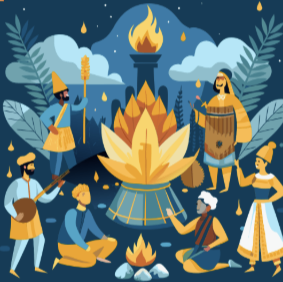
Lohri is a festive thread that ties together harvest abundance, communal warmth, and seasonal celebrations. Rooted in the agrarian rhythms of Punjab and northern India, Lohri marks the harvest of the rabi crops and the turning of mid-winter toward longer days. In 2026, this festival retains its core meaning while inviting new rituals, intergenerational sharing, and a broader audience through diaspora communities worldwide. It is more than a single night of joy; it is a set of longstanding customs that connect farmers, families, and friends around the glow of a blazing bonfire.

Key dimensions of Lohris significance in 2026 include:

  • Agricultural gratitude: Farmers thank crop cycles for a bountiful harvest and acknowledge the labor that brings food to tables. The fire acts as a symbolic purifier and a communal furnace where worries can be released and blessings invited.
  • Communal bonding: Lohri emphasizes social ties—neighbors, relatives, and friends share warmth, food, and song. This communal dimension is especially meaningful in a modern world where families may be scattered across cities or countries.
  • Seasonal transition: The festival sits at the threshold of longer days and the suns renewed energy after winter. The glow of the bonfire mirrors the sun’s return and the hope of better days ahead.
  • Cultural preservation and evolution: While traditional songs, foods, and dances remain central, Lohri also welcomes contemporary performances, diaspora adaptations, and inclusive celebrations that honor diverse communities.

Lohri 2026 2024 Date and Timing

Officially, Lohri falls on January 13 each year in most parts of northern India, aligning with the Punjabi cultural calendar that marks the end of winter and the harvest festival cycle. In 2026, Lohri is observed on Tuesday, January 13. The same date has been observed in several recent years, including 2024, when January 13 also hosted Lohri celebrations for many communities. However, regional observances may shift by a day in some locales depending on local calendars, lunar considerations, and community traditions. To plan accurately, check your local temple, community center, or Punjabi cultural organization’s announcements for 2026 timing in your area.

Typical timing and ritual windows across time zones and homes look like this:

  • Evening bonfire: The central Lohri ritual unfolds after sunset, often between 5:30 PM and 9:00 PM, with communities gathering around a crackling fire in courtyards, grounds, or community spaces.
  • Bonfire rituals: People circle the fire, sing classic Lohri songs, and perform group dances such as Bhangra and Gidda. The circle becomes a microcosm of shared joy and gratitude.
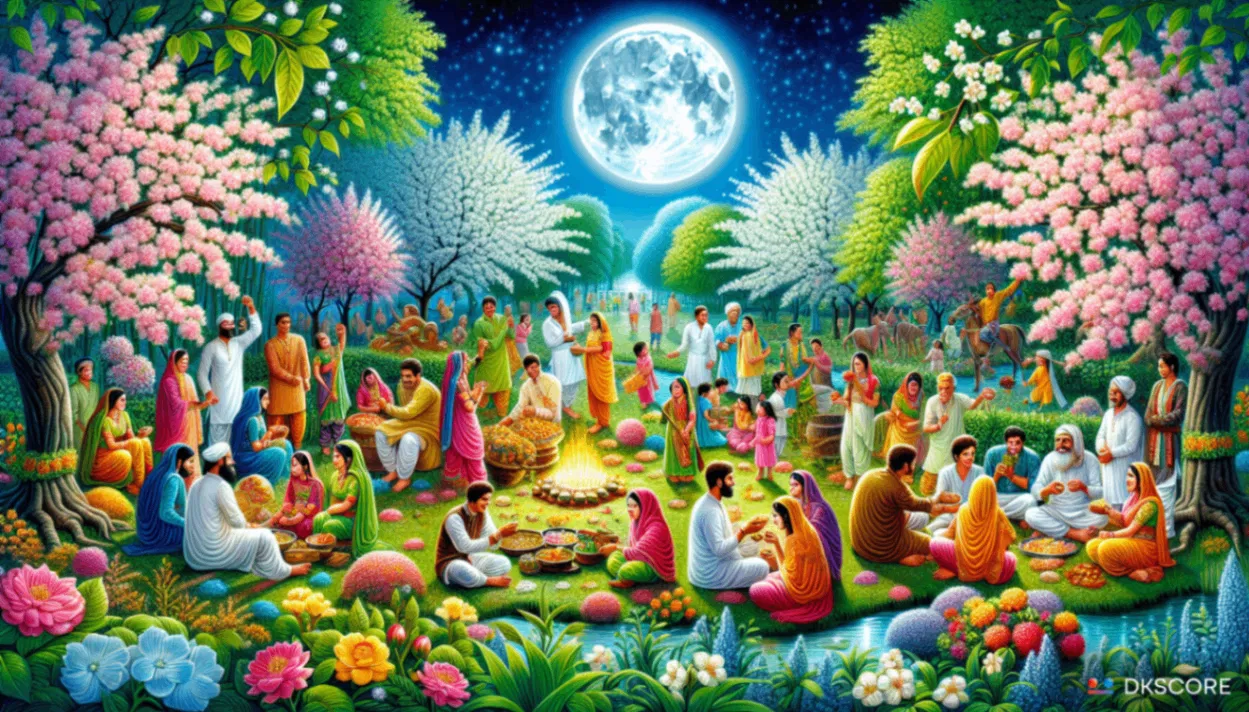
  • Food exchange and distribution: Sesame seeds (til), peanuts, popcorn, jaggery (gur), and sesame laddoos are shared or offered to guests, followed by a family meal featuring winter staples like makki di roti with sarson da saag.
  • Post-fire gatherings: After the fire, families continue with prayers, blessings, and extended conversations that weave together memories and future hopes.

Mythological Stories Behind Lohri 2026

Lohri carries multiple folklore strands that enrich its meaning with vivid storytelling. While the specifics vary by village and family tradition, several well‑known myths are commonly recounted during Lohri gatherings:

The Legend of Dulla Bhatti

One of the most enduring Lohri narratives features Dulla Bhatti, a 16th‑century folk hero often likened to a Punjabi Robin Hood. According to popular legend, Dulla Bhatti and his band rescued and protected captive girls who had been taken by oppressive rulers. On Lohri night, communities tell how the bonfire’s warmth mirrored the shelter and tenderness these girls found when they were rescued and later married to sons of their own choosing. The tale resonates with themes of protection, generosity, and the triumph of good over coercive power. While historical records vary, the Dulla Bhatti story remains a powerful symbol of courage, social justice, and communal solidarity that the festival keeps alive each year.

The Harvest and the Fire: A Seasonal Tale

Another thread of Lohri’s mythic fabric centers on the harvest cycle itself. In agrarian Punjab, villagers would gather around the first bonfire after sowing and celebrate the return of warmth that helps crops mature. The fire is seen as a divine witness and a purifying agent that consumes the old, making space for new growth. Children and elders alike recite songs and share grains, acknowledging the land’s gifts and praying for continued fertility and prosperity in the coming season.

Surya, the Sun, and the Turning of the Year

Beyond folk heroes, Lohri’s narratives are linked to the sun’s journey through the sky. In many Indian traditions, the winter solstice marks a period of darkness and cold, followed by a gradual return of light and warmth as days lengthen. Lohri, with its bonfire and sun‑like radiance, is seen as a night of honoring Surya (the Sun) and inviting his benevolence for a fruitful year. This theme dovetails with Makar Sankranti’s solar transition and the broader belief that warmth, light, and vitality come with the sun’s positive arc across the sky.

Vedic Astrology and Lohri 2026

A practical understanding of Lohri in the lens of Vedic astrology can enrich personal observances and family rituals. While astrology is a vast and nuanced system, several core ideas help connect Lohri to celestial rhythms in 2026:

  • Sun in Makara (Capricorn): In the mid‑January window, the Sun enters Capricorn, a sign associated with discipline, structure, and tangible results. This solar transit is considered auspicious for initiating projects, sowing seeds for the year ahead, and reinforcing commitments to family and community. Lohri’s bonfire metaphorically honors the sun’s return and the seasonal shift toward longer days.
  • Solar energy and harvest symbolism: The Sun’s movement toward Capricorn is seen as a favorable moment to thank the divine light that sustains crops and daily life. It also invites practical action—planning, budgeting, and nurturing relationships—that align with the year’s agricultural and social cycles.
  • Nakshatras and lunar phase: Lohri is typically celebrated during the bright half of the lunar month (Shukla Paksha) and often coincides with favorable nakshatras for family gatherings and auspicious beginnings. While exact nakshatra alignments shift slightly by year and locale, the overarching theme remains: use the auspicious energy of the season to seed kindness, gratitude, and communal bonds.
  • Astrological cautions and blessings: Some households consult astrologers for a moment of personal prayer, asking for protection from misfortune, harmony in family life, and success in endeavors for the coming harvest season. The guidance emphasizes mindfulness, gratitude, and the responsible sharing of resources.

Lohri 2026 2024: Astrological Insights

To understand how Lohri resonates astrologically over consecutive years, it helps to compare 2024 and 2026 as reflections of the season’s rhythm. In both years, the solar timing around mid‑January emphasizes a similar arc: the return of daylight and a pivot from deep winter toward spring’s promise. While exact planetary aspects shift with each year’s ephemeris, several consistent themes appear:

  • Sun‑centered energy: The festival climate is energized by the Sun’s role as the focal celestial body. As the Sun moves into Capricorn, the emphasis on discipline, responsibility, and practical action grows—traits that suit the season’s harvest planning and family commitments.
  • Seasonal gratitude: Both years encourage gratitude for crops and food security, reinforcing social responsibilities toward farmers and those in need. This shared ethos strengthens community resilience, a timely message in an era of climate uncertainty.
  • Community renewal: Astrological influences during Lohri often steer people toward rejuvenation—renewing relationships, sharing resources, and investing in cultural traditions that bind communities across generations and geographies.

Rituals and Practices of Lohri 2026

A primary feature of Lohri is its rituals, which blend simplicity with meaning. The next sections outline core practices that families, communities, and cultural organizations typically observe in 2026. These practices are adaptable to home settings, courtyard gatherings, and larger public events.

Creating and Protecting the Bonfire

Safety and intention are central to the bonfire ritual. Communities gather in an open space or a safe courtyard. The bonfire is lit after sunset, with participants surrounding it in a circle. People offer careful prayers, eco‑friendly fuel is preferred, and children are supervised to prevent accidents. The fire symbolizes warmth, nourishment, and the clearing away of troubles from the past year. Those present clap, sing, and dance as the flames rise, turning a simple flame into a conduit for shared emotion and hope.

Song, Dance, and Shared Music

Lohri songs—traditional Punjabi folk tunes—are the heartbeat of the evening. Community singers lead the group in classic numbers such as Dhaya, Dulla Bhatti ballads, and lively Bhangra rhythms. In many households, children and elders perform circle dances while others accompany with claps, bells, and drums. In modern settings, live musicians, DJs, or patient sing‑along playlists lend variety while preserving the festival’s musical soul.

Food, Offerings, and Shared Treats

Food is a central language of Lohri. A typical Lohri feast includes a mix of traditional winter staples and symbolic sweets. Common items include:

  • Til (sesame seeds) laddoos or jaggery‑sweet sesame balls
  • Popcorn, roasted peanuts, and roasted gram (chana poblano) mixed with jaggery
  • Gur (jaggery) and other seasonal sweets to celebrate abundance
  • Makki di roti with sarson da saag (corn flatbread with mustard greens), a quintessential Punjab winter dish
  • Fresh seasonal fruits and a simple salad to balance the meal

Harvest symbolism remains front and center: offerings to the fire are made with gratitude for the crops, and a portion of the food is shared with guests and neighbors, reinforcing social harmony and generosity.

Gifts, Blessings, and Community Programs

In many homes and neighborhoods, Lohri extends beyond the family circle. Community centers, temples, and cultural organizations host Lohri melas (fairs) and special programs that invite neighbors to participate. Elders give blessings to younger generations, often accompanied by small gifts, shawls, or sweets. Schools and cultural groups may organize Lohri performances, storytelling sessions, or workshops that teach children traditional dance steps, songs, and crafts. For diaspora communities, Lohri becomes a bridge between home culture and adopted surroundings, preserving heritage while embracing new environments.

Health and Spiritual Benefits of Lohri 2026 Rituals

The rituals of Lohri offer a blend of physical warmth, mental comfort, and spiritual uplift. While these benefits are not medical prescriptions, many observers report positive effects in daily life—the social connectedness that comes from gathering with others, the sense of gratitude that follows a harvest celebration, and the physiological warmth that comes from being near a bonfire on a chilly winter evening. Some concrete benefits people associate with Lohri rituals include:

  • Physical warmth and comfort: The bonfire provides heat during one of the coldest months, helping people feel physically soothed and comforted in a shared space.
  • Social bonding: Shared songs, dances, and meals foster a sense of belonging and reduce stress. The act of giving and receiving til, gur, and snacks creates positive social energy and strengthens community ties.
  • Gratitude and mindfulness: A deliberate pause to thank the land, farmers, and family encourages a reflective state of mind and resilience as the year progresses.
  • Cultural continuity: For younger generations, participating in songs and dances helps preserve linguistic and cultural identity, contributing to a sense of rootedness and self-esteem.

Mantra Chanting During Lohri 2026

Many families incorporate mantra chanting or simple invocations during Lohri, particularly around the bonfire and before sharing food. The goal is to invite blessings, preserve sacred focus, and unite participants through a common rhythm of sound. Here are some accessible options for Lohri 2026:

Simple Fire Invocation: Om Agni Deva Namaha

This concise invocation honors Agni, the fire deity, acknowledging the fire’s role as a purifier and messenger of offerings. It is a gentle way to begin the ritual circle and set a tone of gratitude. If you are comfortable with a short chant in transliteration, you can repeat: “Om Agni Deva Namaha.”

Gayatri Mantra forillumination

The Gayatri Mantra is a classic invocation for wisdom and enlightenment. A commonly used form is: “Om Bhur Bhuvaḥ Svatāḥ, Tat Savitur Vareñyaṃ, Bhargo Devasya Dhīmahi, Dhiyo Yonaḥ Prachodayāt.” This invokes the divine light to illuminate the mind and bless the year ahead. You may chant it softly as the fire grows, or as a communal chorus.

Surya Namaskar in Chanting Form

To honor the Sun’s return and the seasonal warmth, you can chant a brief Surya invocation. A simple line such as, “Om Surya Namaha, Hreem Suryaya Namaha,” can be recited by individuals or in unison to align with the seasonal energy.

Contextual Blessings

If you prefer non‑Sanskrit language, consider brief blessings in your local dialect or language that emphasize gratitude, family well‑being, and kindness. Examples include: “May this year bring health to all, strength to our families, and generosity to our communities.” Short blessings can be voiced aloud by elders, then echoed by the circle.

Lohri 2026 in Modern Times

As with many traditional celebrations, Lohri in 2026 blends old rituals with new realities. Diaspora communities—from Canada, the United States, the United Kingdom, Australia, and beyond—continue to observe Lohri with distinctive local flair while preserving core customs. The modern Lohri experience often includes:

  • Virtual connections: In families separated by distance, video calls, social media posts, and curated photo montages help bridge gaps. Live streams of community Lohri programs allow people to participate remotely.
  • Eco‑friendly practices: Awareness about air quality and environmental impact has encouraged the use of cleaner fuel options for bonfires, reusable decorations, and reduced plastic waste at public events.
  • Contemporary performances: In many urban settings, professional and amateur artists present themed Lohri performances that fuse traditional folk steps with modern dance, live music, and multimedia storytelling.
  • Inclusive celebrations: As neighborhoods become more diverse, Lohri events often welcome participants from different cultural backgrounds, highlighting universal themes of warmth, gratitude, and community resilience.
  • Food innovation within tradition: While til laddoos and gur remain central, contemporary hosts may offer fusion dishes that honor winter flavors while accommodating dietary preferences.

Important considerations for a comprehensive festival details page: Include local dates and timing, safety tips for bonfires, traditional and contemporary food lists, regional variations, accessibility information, and a calendar of events (including diaspora celebrations). Recommend eco‑friendly practices and provide resources for community organizers to host inclusive Lohri programs.

Conclusion

Lohri 2026 stands as a luminous intersection of harvest gratitude, communal warmth, mythic storytelling, and forward‑looking aspirations. From the crackle of the bonfire to the sweetness of til laddoos, from the songs that carry forward generations to the hopeful planning for the year ahead, Lohri fosters a sense of belonging and shared purpose. Whether observed in a family courtyard, a neighborhood mela, or a global diaspora gathering, Lohri’s essence remains clear: warmth, generosity, and gratitude light up the darkest winter nights and guide us toward a brighter dawn. As you prepare for Lohri 2026, consider embracing both time‑honored traditions and thoughtful modern adaptations that make the celebration safe, inclusive, and meaningful for all.

May the Lohri flame illuminate your home with joy, prosperity, and unity in 2026 and beyond.

Charity and Donations

Joy Stories Foundations

Joy Story Foundation is a section-8, non-profit organization founded in November 2019, registered with Ministry of Corporate Affairs, Government of India. It aspires to build stories around “Joy for Everyone” by practicing the values of collective philanthropy and by maintaining utmost transparency in order to achieve it. Our vision is to ensure that we do our bit to free the world of gloom, sorrow, deprivation, pessimism, and pain by inducing small positive moments to bring joy in the world. And we would go to any extent to achieve that, irrespective of geographical boundaries, religion, age, color or need. Our giving would be completely unbiased, non- religious and non-political.

Have doubts and need help?

Check out our Frequently Asked Questions to find the answers. But hey, if your doubts still persist, we are only a demo call away!

Frequently Asked Questions

What are the do's and don'ts for Lohri 2026 celebrations to stay safe?

Do's for Lohri 2026: Hold the bonfire in an open area away from structures and dry vegetation; keep water, sand, or a fire extinguisher nearby and have an adult supervise; wear close-fitting cotton or wool clothes and tie back long hair; avoid loose or synthetic fabrics near the flames; supervise children closely and maintain a safe perimeter around the fire; distribute prasad and snacks away from the flames; use dry firewood or approved fuel; do not use accelerants; let the fire settle before approaching. Don'ts for Lohri 2026: Do not leave the bonfire unattended; keep kids at a safe distance; do not throw plastics, glass, petrol, or other hazardous materials into the fire; do not wear loose or synthetic clothing near the fire; do not light the fire indoors or in enclosed spaces or near roof eaves; do not shake or poke the fire; do not throw hot embers toward others; do not consume alcohol around the bonfire; keep it safe for all.