Meena Sankranti 2026: Celebrating the Vibrant Harvest Festival

 Home
Home DKSCORE AI
 Meena Sankranti 2026
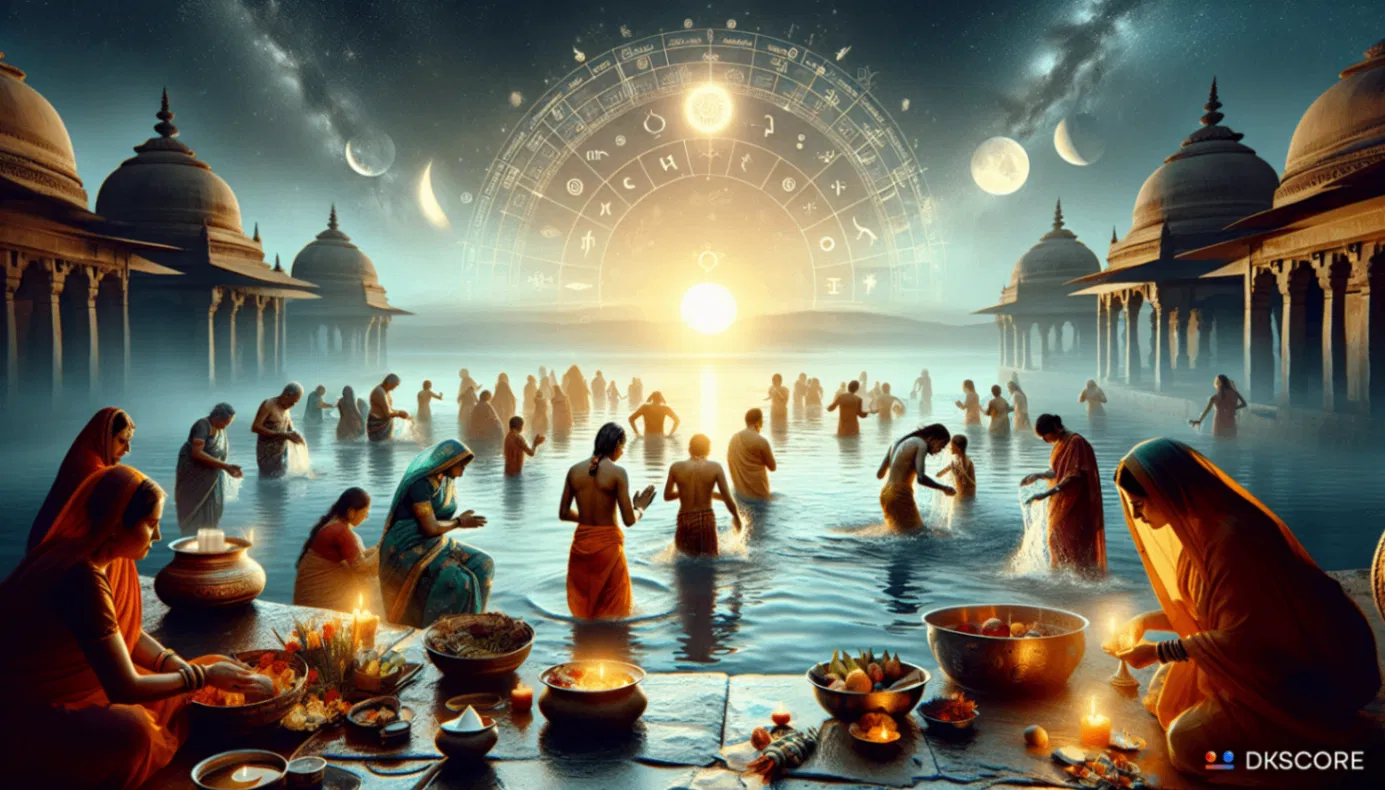
The day is marked by prayers, bathing in sacred rivers, and offering oblations to Lord Surya to welcome the Sun’s entry into Pisces. Devotees take part in rituals to seek blessings for health and happiness as they prepare for the new year in the Hindu calendar.
festival
Meena Sankranti 2026
religion
Hinduism
Date
15-02-2026
day
Sunday
Muhurat time
--
Duration
--
 Festival Date
15 Feb, 2026
Meena Sankranti
 Today Date
30 Jan, 2026
Meena Sankranti
Time Remaining
Why we Celebrate Meena Sankranti ?
Meena Sankranti is an astrological event where the Sun transits into the Pisces sign, symbolizing the conclusion of the solar year in Vedic astrology. This transition is believed to bring spiritual cleansing and readiness for the new astrological cycle, encouraging people to perform rituals for prosperity and inner peace.
Important Days
Meditation and Mantras
Meena Sankranti 2026: Celebrating the Vibrant Harvest Festival
Meena Sankranti marks a celestial transition in the Hindu solar calendar as the Sun moves from the sign of Makara (Capricorn) into Meena (Pisces). This solar event is observed with devotion, generosity, and seasonal awareness across many regions of India and by Hindu communities around the world. While some traditions focus on regional harvest customs, many prefer to honor this moment as a doorway to spiritual renewal and compassionate living. The year 2026 brings a fresh opportunity to align daily routines with the calmer, water‑element energy associated with Pisces, while honoring age‑old rituals and adapting them to modern life. This article provides a comprehensive guide to Meena Sankranti 2026, including its significance, timing, mythological backgrounds, astrology, rites, health and spiritual benefits, mantra practices, and how the festival is celebrated today.
Understanding the Significance of festival Meena Sankranti 2026
What makes Meena Sankranti meaningful goes beyond a calendar date. Sankranti festivals in the Hindu tradition symbolize a transfer of energy—an auspicious moment when the Sun changes signs and light begins to extend its reach into the days ahead. Meena Sankranti specifically denotes the Sun’s entrance into Meena, or Pisces, a water sign ruled by Jupiter (Guru). The Pisces period is widely associated with qualities such as compassion, intuition, empathy, and flow. In practical terms, this transition invites individuals to slow down, reflect, and invest in inner growth and service to others.
For 2026, Meena Sankranti serves as a reminder to nurture spiritual practices that balance the head and the heart. It is considered an auspicious time to engage in charitable acts (dana), support the vulnerable, and undertake learning or spiritual disciplines that cultivate inner clarity. The festival also aligns with seasonal shifts: as Pisces signals watery energy and a tempering of the mid‑winter austerities, celebrants often emphasize purity of mind, kindness to others, and gratitude for life’s regenerative powers.
Regional nuances exist in how Meena Sankranti is observed. Some communities emphasize ritual bathing and temple pujas, while others highlight communal meals, offerings to ancestors, and the remembrance of saints and sages. Regardless of the exact practice, the core emphasis remains on spiritual growth, compassion, and harmony with nature. In today’s world, Meena Sankranti can also be a moment to cultivate sustainable living, water conservation, and mindful consumption, echoing the sign’s association with water and renewal.
Meena Sankranti 2026: Date and Timing
Dates for Meena Sankranti are determined by the Sun’s transit into Pisces, a moment that technically occurs at a specific time in astrology. Because the Sun’s entry is a solar event and depends on latitude, longitude, and local sunrise, the exact date and moment can vary by place. In practice, Meena Sankranti commonly falls in mid‑February, with a typical two‑ to three‑day window around the official transit. As a result, calendars in different regions may mark the festival on February 14, 15, or 16 in a given year. For 2026, the likely window is around February 14–16, but always verify with local panchang (Hindu lunisolar calendar) or temple announcements for your area.
What readers should know about timing:
- Local sunrise times influence the recommended ritual start time. Some communities begin early morning pujas after a purification bath.
- In rural areas or among traditional families, the day may begin with prayers at dawn and culminate in a larger evening puja or discourse.
- Meena Sankranti is sometimes observed as a single day, while other times communities extend it for a day or two to accommodate travel, work schedules, and temple timings.
- Astrological considerations (for those who practice detailed muhurta) may select the most favorable lagna or nakshatra windows within the transit period.
To help readers plan, many temple and community calendars publish a date range and the exact moment of the Sun’s entry into Pisces. Consultation with a local astrologer or the panchang published by a trusted source can provide precise guidance for your location.
Mythological Stories Behind Meena Sankranti 2026
Meena Sankranti does not rest on a single canonical myth in the way some other festival narratives do. Instead, it draws on symbolic associations with Pisces (Meena) and the waters that Pisces represents, along with varied regional stories that link the transit to spiritual themes. Here are several commonly cited mythic threads and beliefs that enrich the festival’s meaning:
- Matsya Avatar and the Flood myth: In Vaishnavite narratives, Vishnu’s Matsya (fish) avatar saves Manu and the human race during a great flood. The Pisces period evokes theelement of water and life’s renewal after the deluge. Some communities view Meena Sankranti as a time to honor life’s resilience and the divine protection that follows difficulty. This connection to water and survival resonates with the Pisces symbolic water‑sign energy.
- Sun’s journey from winter to spring: The Pisces entrance marks the Sun leaving the intense, discipline‑driven days of Capricorn and entering a more fluid, compassionate phase. Mythic storytelling often frames this shift as a spiritual reorientation—moving from austerity toward heartful action, empathy, and service to others.
- Water, fertility, and spiritual insight: Pisces is depicted as a water sign that governs seafaring, rivers, and rain. In many folk versions of Meena Sankranti, rituals emphasize cleansing, cleansing waters, and the renewal of vows to protect and replenish natural resources. The mythic motif here is that purity of water equates purity of mind and intention.
- Regional legends and temple lore: In various states, local myths connect Meena Sankranti with saints, sages, or deities associated with compassion, rain, or rivers. For example, communities may recount stories of compassionate acts by revered teachers or rishis during Pisces time, reinforcing the festival’s emphasis on seva (service) and moral renewal.
Readers should note that mythological storytelling can differ by region and tradition. The common thread across these narratives is the invitation to soften the heart, refresh one’s intentions, and renew commitments to kindness, learning, and harmony with nature.
Vedic Astrology and Meena Sankranti 2026
Vedic astrology (Jyotisha) assigns significance to planetary positions, signs, and their interplay during solar transits. Meena Sankranti is anchored in the zodiac sign of Meena (Pisces), a water sign associated with emotion, receptivity, and spiritual insight. Here are the key astrological concepts that shape Meena Sankranti in 2026:
- Significance of Pisces (Meena): Pisces is ruled by Jupiter (Guru), the planet of wisdom, expansion, and benevolence. When the Sun enters Pisces, Jupiter’s expansive energy is considered to influence the Sun’s warmth with a more inclusive, compassionate tone. This alignment fosters opportunities for learning, charity, and healing of emotional tensions.
- Sun in Pisces and spiritual focus: The Sun’s light is tempered by the Piscean water element, inviting a softer approach to power. It is an auspicious time to practice humility, gratitude, and acts of service, rather than aggressive pursuit of personal gains.
- Consequences for daily life: In Jyotisha tradition, solar transits into water signs can encourage introspection, dream work, and intuitive understanding. People may feel a stronger pull toward meditation, prayer, and rituals that connect the self to the larger cosmic order.
- Auspicious practices during the transit: Many scholars recommend practices that balance action with contemplation—such as dawn meditation, charity to the needy, studying sacred texts, and offering water to all beings (to honor the water element symbolized by Pisces).
Important note for readers: astrology is a complex, location‑specific discipline. For concrete guidance on personal karma or muhurta, consult a qualified astrologer who can examine your exact birth chart, location, and the precise transit moment for 2026 in your region.
Meena Sankranti 2026 2024: Astrological Insights
Astrology enthusiasts often like to compare transits year to year. While the core symbolism of entering Pisces remains consistent, planetary movements around February can bring nuanced influences. Here are some broad insights that readers may find helpful when reflecting on Meena Sankranti in 2026 and 2024:
- General spiritual uplift: Pisces season generally enhances receptivity, compassion, and generosity. It can be a favorable period to engage in charitable activities, spiritual study, and creative expression that benefits others.
- Jupiter’s influence during Pisces time: Because Pisces is Jupiter’s sign in the zodiac, the transit can heighten the impact of Jupiter’s karmic lessons—practical wisdom, expansion through service, and protection of those who are vulnerable. This reinforces the festival’s emphasis on dharma (righteous living).
- Health and energy considerations: Pisces energy can incline toward rest and healing. People might benefit from mindful routines, hydration, and gentle movement practices like yoga, swimming, or walking by water to align with the water element.
- The transit can encourage releasing old patterns that hinder spiritual growth, while embracing compassionate action in daily life—helping neighbors, volunteering, or supporting ecological efforts tied to water resources.
Practical takeaway for readers: Use Meena Sankranti as a touchstone to align your plans with inner values. Create a small, symbolic ritual that involves water (a bath, a river or sea visit if feasible, or symbolic water cleansing at home) and couple it with a commitment to a small act of kindness or learning initiative.
Rituals and Practices of Meena Sankranti 2026
Rituals for Meena Sankranti combine purification, worship, offering, and reflection. They can be adapted to family traditions, temple customs, or individual practice. Below is a comprehensive guide to typical Meena Sankranti observances with practical steps you can follow or adapt to your own culture and schedule:
1) Preparations and Purification
Leading up to the festival, homes and temples are cleaned, and altars are prepared. A small sacred space may be decorated with fresh flowers, rangoli, and a clean, white cloth. A purifying bath (abhisheka) with lukewarm water, mild herbal bath powders, or a few drops of sesame oil can be a symbolic way to start the day.
2) Puja and Offerings
At the heart of Meena Sankranti is a puja honoring the Sun as it moves into Pisces. A typical puja may include:
- Lighting a lamp (diya) and offering oil or ghee as a symbol of illumination and wisdom.
- Offering water to the Sun with a worshipful chant of sun mantras (for some, Gayatri Mantra or Surya Mantra adapted to the festival’s timing).
- Prayers for compassion, humility, healing, and spiritual growth—often in the form of a short bhajan or kirtan.
- Ritual dipping or symbolic water offerings to rivers, seas, or sacred water bodies (or water kept at home for the ritual).
3) Sacred Learnings and Recitation
Many families or temples incorporate readings from sacred texts or inspirational stories related to Pisces symbolism, compassion, and learning. Reading passages from the Upanishads, Bhagavad Gita, or the Brahma Sutras that align with inner growth and service is common. Some communities also invite a speaker or guru to give a short discourse on the spirit of Meena Sankranti.
4) Charity and Service (Daan)
Dana is a central practice during Sankranti celebrations. Specific acts may include:
- Donating to food distributions, shelters, or charitable organizations that support education, health, or water conservation.
- Providing clothes, blankets, or other essentials to those in need.
- Supporting senior citizens, orphans, or new mothers through community initiatives.
5) Fasting and Food Offerings
Many observants undertake a mild fast or consume light meals. When not fasting, sattvic foods—fresh fruits, milk, yogurt, whole grains, seasonal vegetables—are preferred. Special sweets such as sesame laddoos (tilgul), jaggery, and rice dishes with sesame are common prasadam items in many regions. The emphasis is on nourishment, balance, and mindful eating rather than deprivation.
6) Community Celebrations
In urban centers, temple gatherings, cultural programs, and community feasts are common. In rural areas, families may collaborate on preparing foods, cleaning public spaces, and sharing meals with neighbors. Modern Meena Sankranti celebrations also embrace eco-friendly practices, such as plastic-free offerings and waste reduction during temple events and public gatherings.
7) Personal Practices
Individuals can tailor Meena Sankranti to personal spiritual goals. Suggested practices include:
- Journaling about personal growth goals for the coming weeks and months.
- Setting intentions to practice compassion in daily interactions.
- Starting a short meditation or breathwork routine in the mornings.
- Choosing to learn something new that broadens perspective or helps serve others.
Health and Spiritual Benefits of Meena Sankranti 2026 Rituals
Engaging in the rituals of Meena Sankranti can yield a blend of physical, mental, and spiritual benefits. While outcomes vary by individual, several positive themes emerge from the festival’s practices:
- Physical refreshment: Purification baths, clean homes, and lighter dietary choices around the festival can support better digestion, skin health, and general well‑being. Hydration and gentle movement help counter winter fatigue and promote vitality.
- Mental clarity: The reflective mood of thePisces period—characterized by introspection and compassion—can reduce stress and improve emotional regulation. A short meditation or gratitude practice during the festival can foster inner calm.
- Emotional balance: Engaging in acts of kindness and sharing with others nurtures empathy, reduces social strain, and strengthens community bonds. This aligns with Pisces’ sensitive, interconnected energy.
- Spiritual growth: The combination of charity (dana), study, and mantra practice supports deeper spiritual understanding and a sense of purpose that transcends everyday concerns.
- Environmental mindfulness: Observing eco‑friendly practices during the festival—recycling, limiting waste, conserving water—reflects Pisces’ association with water and the broader need to care for natural resources.
Practitioners who integrate health and spirituality during Meena Sankranti can experience a balanced start to the year, a clearer mind, and a renewed sense of connection with others and the natural world.
Mantra Chanting During Meena Sankranti 2026
Chanting and sound play a central role in many Meena Sankranti observances. The selection of mantras can vary by tradition, but several core options are widely respected for aligning with Pisces energy and Jupiter’s auspicious guidance. Here are recommended mantras and a suggested practice framework:
- Jupiter‑focused mantras: Since Pisces is ruled by Jupiter, mantras honoring Guru (Gurū) are particularly fitting. Examples include:
- Om Gurave Namaha (Salutations to the Guru) – simple, powerful, and widely used.
- Om Brihaspate Namaha (Salutations to Brihaspati, the planetary ruler of wisdom and learning).
- Sun mantras (solar energy in the new sign): For readers who align with Surya symbolism during transitions, you might chant:
- Gayatri Mantra (for universal illumination): Om Bhur Bhuvaḥ Swaḥ, Tat Savitur Varenyam, Bhargo Devasya Dhimahi, Dhiyo Yo Nah Prachodayat. This mantra fosters clarity, peace, and inspired thinking, which complements the Pisces energy of Meena Sankranti.
- Bead count and practice: A common approach is to chant 108 repetitions of one mantra using a mala (rosary) to foster focus and depth. Alternatively, you can repeat a shorter mantra 11 or 21 times, depending on time and intention.
Guidelines for practice:
- Choose a clean, quiet space or a temple setting to chant with intention and breath awareness.
- Begin with a short meditation (3–5 minutes) to calm the mind, then move into the chosen mantra practice.
- Close with gratitude and a moment of reflection on how you can embody the virtues of Pisces—compassion, adaptability, and spiritual insight—in daily life.
Note: If you have a family tradition or a temple lineage, follow that guidance for mantra choice and counts. The most important element is a sincere, focused intention to cultivate kindness and wisdom during the Meena Sankranti period.
Meena Sankranti 2026 in Modern Times
In today’s fast-paced world, Meena Sankranti is often celebrated in ways that blend tradition with contemporary living. Here are some modern adaptations and trends that many families and communities are embracing in 2026:
- Home celebrations with digital access: Temples and spiritual organizations offer live streams of pujas, bhajans, and lectures. Families tune in from home, invite neighbors online, and share spiritual messages through social media or messaging apps.
- Eco‑friendly rituals: There is a growing emphasis on reducing waste, avoiding plastic offerings, and using reusable or biodegradable decor. Water conservation and mindful consumption align with the festival’s water symbolism and the broader call to environmental stewardship.
- Community service and social good: Community kitchens, food drives, and volunteering to help the elderly or underprivileged are popular during Meena Sankranti and set a model for future celebrations.
- Wellness and mindfulness: Many people incorporate yoga, breathing exercises, and meditation into the festival period, turning Meena Sankranti into a time for mental health and spiritual reset.
- Cultural programs and education: Schools, colleges, and cultural organizations conduct storytelling sessions, art, and music that highlight Pisces symbolism and the festival’s themes of compassion and renewal.
- Regional fusion menus: Home cooks and culinary communities create seasonal dishes that emphasize sesame, jaggery, milk, and mild herbs. These are shared with family and neighbors as prasadam or festive treats.
For travelers and urban residents, Meena Sankranti can also be a moment to visit rivers or sacred water bodies, while staying mindful of environmental considerations. The modern festival invites people to connect with spiritual values while honoring personal health, community ties, and ecological responsibilities.
Conclusion
Meena Sankranti 2026 offers a meaningful opportunity to bridge ancient tradition with contemporary life. The Sun’s entry into Pisces brings a channel for compassion, spiritual inquiry, and renewed dedication to acts of service and learning. By understanding the significance, timing, mythic backgrounds, astrological perspectives, and practical rituals, readers can approach Meena Sankranti with intention and clarity.
Whether you observe Meena Sankranti through temple pujas, family rituals, or personal practice, the festival invites you to cultivate balance between mind, heart, and action. It encourages you to honor water, nurture life, and invest in the well‑being of others. In 2026, this celestial moment can become a catalyst for deeper learning, stronger community ties, and a healthier, more compassionate way of living.
As you prepare for Meena Sankranti, remember these practical steps to make the observance meaningful:
- Consult local panchang or temple announcements for your precise date and timing.
- Participate in a purification ritual, whether a personal bath or a home puja, with mindful intention.
- Engage in dana and acts of kindness that uplift others in your community.
- Include water‑related symbolism—whether through a ritual bath, river visit, or respectful use of water resources in your home.
- Incorporate mantra chanting or quiet reflection to align with Jupiter’s wisdom and Pisces’ compassionate energy.
By blending tradition with modern mindfulness, Meena Sankranti 2026 can become a source of renewal—personally, socially, and spiritually. May the Pisces energy of this year’s transit bring clarity, generosity, and greater harmony to all who observe the festival.
Charity and Donations
Joy Stories Foundations
Joy Story Foundation is a section-8, non-profit organization founded in November 2019, registered with Ministry of Corporate Affairs, Government of India. It aspires to build stories around “Joy for Everyone” by practicing the values of collective philanthropy and by maintaining utmost transparency in order to achieve it. Our vision is to ensure that we do our bit to free the world of gloom, sorrow, deprivation, pessimism, and pain by inducing small positive moments to bring joy in the world. And we would go to any extent to achieve that, irrespective of geographical boundaries, religion, age, color or need. Our giving would be completely unbiased, non- religious and non-political.
 Donation Links
https://joystoryfoundation.org/Upcoming Festivals

Gandhi Punyatithi 2026
Gandhi Punyatithi, also known as Martyrs' Day, marks the assassination anniversary of Mahatma Gandhi… Read more

Shukra Pradosha Vrat 2026
Shukra Pradosha Vrat is a sacred Friday fast dedicated to Shiva, performed during the twilight perio… Read more

Kumbha Sankranti 2026
Kumbha Sankranti is an important day in the Hindu calendar when the Sun enters the Aquarius sign, ma… Read more

Valentines Day 2026
Valentine's Day is a day dedicated to celebrating love and affection between intimate partners. It i… Read more


 Download App