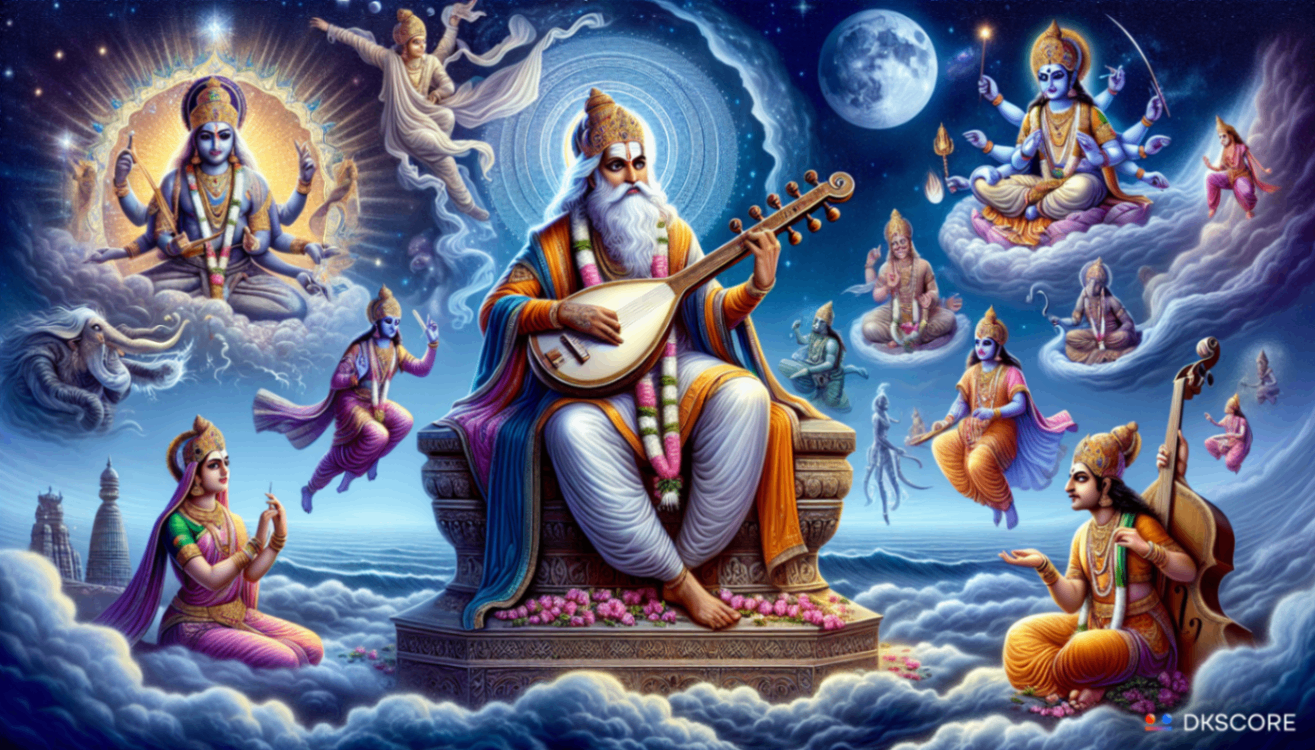

 Home
Home

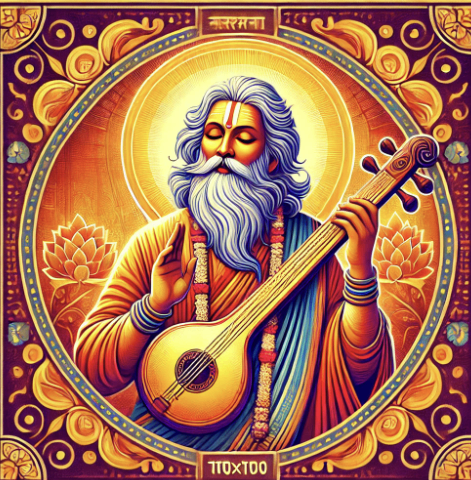


Narada Jayanti is a revered festival in the Hindu calendar that honors the birth and exemplary spirit of Narada Muni, the celestial sage known for devotion, wisdom, and music. Narada is widely recognized as a wandering messenger who carries sacred bhakti from one heart to another. He is celebrated in temples, homes, and cultural centers through kirtans, discourses, and melodious recitation. The 2026 observance of Narada Jayanti invites devotees to reflect on the power of devotion, the healing power of music, and the way Narada’s example encourages ethical conduct, humility, and service.
This article offers a comprehensive view of Narada Jayanti 2026—its meaning, the date and timing, mythological narratives, astrological considerations, rituals, health and spiritual benefits, sacred chants, and how modern communities celebrate with a blend of tradition and innovation. Whether you are planning personal observances at home, organizing a temple program, or simply seeking to understand why Narada Jayanti matters, this guide provides clear, actionable details to enrich your festival experience.
Understanding the Significance of festival Narada Jayanti 2026
Narada Jayanti marks the birth anniversary of Narada Muni, a central figure in the bhakti tradition and a legendary emissary among the gods. Narada is often described as a sage with a celestial voice who travels across worlds on a mission to spread the names and glories of the Supreme Being. He is neither bound by geography nor by the limitations of time; his music, stories, and teachings are meant to awaken devotion in the hearts of listeners.
The festival’s significance rests on several pillars that resonate across many Hindu communities:
- Devotion and Bhakti: Narada’s life exemplifies pure devotion (bhakti) as the highest path. His sangitas (musical hymns) and steadfast love for the Divine illustrate how love, not ritual complexity alone, nurtures spiritual progress.
- Music as a Path to God: Narada is often depicted with a veena, using music as a bridge to convey spiritual truths. The festival thus honors music as a legitimate and transformative spiritual practice.
- Communication and Listening: As a messenger who travels between realms, Narada teaches that listening with humility and communicating wisdom with compassion can uplift communities and heal conflicts.
- Ethical Living: Narada’s interactions with sages, kings, and ordinary people carry lessons about humility, truthfulness, and seva (selfless service). His stories remind adherents that devotion should harmonize with moral conduct.
- Interconnected Traditions: Although Narada is a figure in many Puranic and devotional streams, Narada Jayanti serves as a bridge—encouraging unity among different sects, regions, and languages through shared reverence for Narada’s message.
For families and communities, Narada Jayanti also becomes a moment to reflect on how we nurture creativity, learning, and communal harmony. The festival invites us to listen deeply, sing joyfully, and engage in acts of kindness—values that strengthen social bonds while advancing personal spiritual growth.
In 2026, the celebration gains contemporary relevance as temples and cultural organizations emphasize inclusive participation. The festival is a chance to recognize the ongoing influence of Narada’s spirit in music education, storytelling, youth programs, and charitable activities, all aimed at uplifting the larger society.
Narada Jayanti 2026 Date and Timing
The date of Narada Jayanti is set according to the Hindu lunisolar calendar and varies by region and temple tradition. Unlike some fixed civil holidays, Narada Jayanti is observed on the day believed to be Narada Muni’s birth tithi (lunar day). Because lunar dates shift each year in the Gregorian calendar, the festival commonly falls in late winter to early spring, with celebrations peaking on the day that local panchangs designate as Narada Jayanti.
Important note for followers and organizers: always verify the exact date with your local temple, panchang app, or devotional organization. In 2026, several communities may observe Narada Jayanti on slightly different days, reflecting regional calendars and cultural practices. The practical approach is to rely on the official temple announcements and the local panchang (Hindu calendar) that your community uses.
Timing for rituals during Narada Jayanti typically spans the day and often extends into the evening. A typical schedule includes:
- Morning observances: cleansing rituals (shuddhi), invocation of deities, lightening of lamps, and early morning pujas.
- Mid-morning to early afternoon: worship of Narada, recitation of stories, singing of bhajans and kirtans, readings from relevant scriptures (for example, Narada-related lore or Bhakti texts).
- Late afternoon to evening: major aarti, processions or temple concerts, and sharing prasad with devotees.
- Night: devotional discourse or singing sessions that continue late into the night in many temples, offering a peaceful closure to the day.
If you are planning an observance at home, you can adopt a flexible schedule that includes a calm morning puja, a midday reading or listening session, and an evening bhajan circle. The goal is to maintain reverence, focus, and community participation while adapting to your household rhythm.
For those organizing public programs, it is helpful to publish the date and timing clearly in advance, provide accessibility for elders and children, and offer streaming options for those who cannot attend in person. Clear schedules enable more people to participate meaningfully and sustain the festival’s spirit beyond a single day.
Mythological Stories Behind Narada Jayanti 2026
Birth and Divine Role
Narada Muni is described in numerous texts as a divine sage who appears in the cosmic play of the universe. In many traditions, Narada is considered a mind-born son (manasaputra) of Brahma, created to serve as a celestial messenger and a devoted teacher of bhakti. This lineage underscores his unique position as a bridge between the divine and the earthly realm.
He travels freely to all realms, delivering the glories of the Supreme and reminding mortals and immortals alike that devotion is the most direct route to spiritual awakening. His instrument, the veena, symbolizes the power of sound to elevate consciousness. In art, music, and storytelling, Narada’s presence encourages listeners to seek a deeper, personal connection with the divine.
Musical Mission and Moral Lessons
Narada’s legends emphasize the idea that sound—the name of God, sacred verses, and harmonious melodies—has a transformative effect. Through music and discourse, Narada dispels ignorance and fosters bhakti. His encounters with sages, kings, and common people illustrate how devotion can manifest in many forms: listening with humility, singing with sincerity, and sharing knowledge with generosity.
A recurring theme in Narada’s stories is humility and discernment. He sometimes uses humor, parable, or a simple story to reveal a truth that changes a listener’s heart. These narratives encourage communities to approach spiritual practice with openness and compassion, rather than pride or judgment.
For families celebrating Narada Jayanti, these mythic motifs offer practical guidance: use music as a gateway to contemplation, tell stories that kindle ethical reflection, and invite diverse voices to contribute to devotional gatherings. Narada Jayanti becomes not only a remembrance of a divine sage but also an invitation to cultivate a living, singing, listening bhakti in everyday life.
Narada in Popular Puranic Narratives
Across the Puranas, Narada appears in multiple contexts—sometimes as a playful observer, sometimes as a keen counselor. In Bhakti traditions, his role as a steadfast devotee of Vishnu and Krishna is highlighted, underscoring that unwavering devotion can illuminate paths for others. The festival thus honors both Narada’s personal devotion and his broader influence as a teacher who inspires others to seek the divine through voice, song, and storytelling.
These mythic threads—birth, musicality, devotion, and moral teaching—combine to make Narada Jayanti not only a historical remembrance but also a living invitation to cultivate inner harmony, community service, and the courage to share spiritual wisdom with kindness.
Vedic Astrology and Narada Jayanti 2026
In Vedic astrology, human experiences and spiritual observances are understood through the interplay of planetary positions, tithis (lunar days), nakshatras (constellations), and yogas. Narada Jayanti, while centered on a sage revered for bhakti, is nevertheless celebrated within this cosmic framework. Astrology adds a practical layer for practitioners who want to align rituals with auspicious timings and receptive planetary conditions.
Key concepts that commonly influence Narada Jayanti celebrations include:
- Timing according to tithi and nakshatra: Rituals are often initiated on the auspicious tithi associated with Narada’s birth—usually a favorable lunar day with supportive nakshatras for devotion and learning.
- Auspicious muhurats: Families and temples may choose a muhurt (an auspicious moment) for main prayers or kirtan sessions, typically chosen to avoid inauspicious periods such as certain rahu kalas or ghor kalas.
- Chandra (Moon) and Graha influences: The Moon’s phase and its sign position, along with other planetary aspects, influence the mood of the festival—gentle, devotional, and music-filled energy often preferred for Narada Jayanti.
- Astrological recommendations for seekers: For those seeking spiritual learning or music education during Narada Jayanti, astrologers may suggest specific times, mantras, or readings that align with personal birth charts (natal charts) to maximize receptivity.
While astrology can guide timing and intention, it is important to remember that the essence of Narada Jayanti—devotion, humility, and sharing—remains universal. The astrological lens is a practical tool to deepen engagement rather than a constraint on participation.
Narada Jayanti 2026: Astrological Insights
Each year brings distinct celestial alignments that can color the energy of Narada Jayanti celebrations. In 2026, observers often look to how major planetary cycles intersect with the festival’s devotional tone. While individual experiences vary, several broad themes tend to emerge:
- Spiritual rejuvenation: When benefic planets such as Jupiter or Venus favor spiritual growth, communities report a surge in devotional concerts, readings, and charitable acts in the weeks around Narada Jayanti.
- Creative inspiration: The influence of music and arts tends to be pronounced during years when planetary cycles align with creative energies. This can translate to more kirtan events, song-writing sessions, and youth music programs tied to the festival.
- Compassion and service: Positive planetary aspects often extend the festival’s reach through seva initiatives, food distribution (prasadam), and community outreach, aligning with Narada’s message of service and sharing.
- Mindful communication: Narada’s role as a messenger emphasizes ethical speech. Astrological weather that supports clarity and calm can encourage thoughtful discourses, storytelling, and interfaith dialogue during Narada Jayanti.
Practical takeaway for devotees: use this time to plan inclusive, creative programming—music workshops, storytelling circles, and virtual satsangs—while offering accessible rituals for people of diverse backgrounds. Whatever the stars suggest, the core remains steady: devotion, listening, and compassionate action.
Rituals and Practices of Narada Jayanti 2026
Rituals surrounding Narada Jayanti are both traditional and adaptable. They center on reverence for Narada, the power of sound, and the sharing of spiritual wisdom. Below are common practices you may incorporate into your observance:
- Purification and invocation: Clean the altar, light lamps, incense, and offer flowers. Begin with a short invocatory prayer or a verse invoking Narada’s blessings.
- Japa and mantra recitation: Chant the names of Narayana or Krishna, or recite verses from Narada Bhakti Sutra, Narada Purana excerpts, or bhajans that celebrate Narada’s devotion.
- Listening and storytelling: Read or narrate Narada’s stories, including how he shares divine messages and teaches through music. Encourage questions and reflections to deepen understanding.
- Music and singing: Organize or participate in bhajans, kirtans, and instrumental performances (especially with the veena or other classical instruments). Music is a central expression of Narada’s mission.
- Seva and charitable acts: Distribute prasad, prepare community meals, or offer help to those in need. Seva embodies Narada’s spirit of service and sharing.
- Vatsalya and hospitality: Invite guests, especially children and the elderly, to participate in a simple festival program with a welcoming atmosphere.
- Festival timings and safety: If you host public celebrations, provide comfortable seating, clear signage, and accessibility. Consider hybrid formats (in-person plus online) to reach wider audiences.
- Environmental mindfulness: Use eco-friendly materials for decorations and reduce waste. A sustainable festival honors the sanctity of all life, a value often celebrated in bhakti traditions.
For home observances, a compact but meaningful program might include a morning puja, a short Narada-focused discourse, a singing circle around a shared meal, and an evening arati dedicated to Narada’s spirit of devotion and song.
Health and Spiritual Benefits of Narada Jayanti 2026 Rituals
Engaging in Narada Jayanti rituals—especially when conducted with attention and mindfulness—can yield multiple benefits for body, mind, and heart. While spiritual benefits are primary, there are tangible health advantages that often accompany devotional practice:
- Calm and focus: Repetitive, melodic chanting and listening can induce a relaxed state, lowering stress and promoting mental clarity.
- Breath regulation: Many chanting practices encourage slow, deep breathing, which can improve oxygenation and heart rate variability.
- Social connectedness: Community singing and shared service strengthen social ties, reducing feelings of isolation and building resilience.
- Emotional balance: Music and prayer can help regulate emotions, supporting patience, compassion, and tolerance.
- Value-based living: The ethical teachings associated with Narada’s stories—humility, truthfulness, generosity—nourish a healthy sense of purpose and personal integrity.
- Spiritual nourishment: Regular devotion can foster a sense of meaning, belonging, and hope, which contributes to overall well-being.
It is important to adapt rituals to individual health needs. For older participants or those with physical limitations, lengthy ceremonies can be modified with shorter segments, comfortable seating, and listening-only participation. The essence is inclusive devotion, not strenuous obligation.
Mantra Chanting During Narada Jayanti 2026
Chanting is a core practice during Narada Jayanti, and communities often combine traditional mantras with devotional songs. Here are practical guidelines and sample chants you can adapt:
- General devotional mantras: Repetitions of the sacred names of the Divine, such as the Hare Krishna maha-mantra or a simple chant of Om Namah Narayanaya, create a resonant atmosphere of devotion that Narada would appreciate.
- Narada-specific approaches: While Narada is renowned for his musical storytelling, there isn’t a single universally standardized “Narada mantra.” Instead, many groups chant verses from Narada-focused texts, sing Narada bhajans, or use verses that praise the power of the holy name and divine music.
- Verse recitation from scriptures: Short sections from Narada Purana, Narada Bhakti Sutra, or Bhagavata Purana passages about Narada can be recited to deepen understanding of his bhakti mood.
- In addition to chanting, listening to celestial music or to a live veena performance can be an effective form of mantra immersion.
- Start with a comfortable number of rounds (for example, 5–11 rounds of a chosen mantra), maintain steady breathing, and invite everyone to join at their own pace. End with aarti and a shared prasad to seal the practice in gratitude.
If you are new to chanting, begin with short, gentle sessions and gradually increase the duration as your concentration grows. The goal is not to “perform” a ritual but to cultivate a sincere, devotional rhythm that honors Narada’s spirit of upliftment through sound.
Narada Jayanti 2026 in Modern Times
Modern celebrations of Narada Jayanti blend timeless devotion with contemporary accessibility. Temples, cultural organizations, and devotional communities are expanding how they reach people, especially across generations and geographies. The following trends capture how Narada Jayanti is celebrated today:
- Live streaming and virtual satsangs: Temples and cultural centers stream kirtans, bhajans, and discourses so that people who cannot attend in person can participate from home, work, or educational campuses.
- Community choirs and youth involvement: Schools, colleges, and youth groups form devotional choirs and band collaborations, blending classical and contemporary musical styles while keeping Narada’s message central.
- Interfaith dialogue and inclusivity: Some communities invite guest speakers from various spiritual paths to discuss universal themes—devotion, compassion, service—fostering mutual respect and shared humanity.
- Digital archives and learning: Online libraries and video series offer accessible explanations of Narada’s role in the bhakti tradition, his melodies, and the lessons embedded in his stories.
- Environmentally conscious celebrations: Eco-friendly offerings, minimal waste prasad distribution, and sustainable decorations reflect a contemporary commitment to stewardship of the Earth, aligning with spiritual values.
- Inclusive hospitality: Community kitchens and prasad distribution extend to neighbors, volunteers, and occasionally to riders, students, and travelers, reinforcing Narada’s spirit of sharing names and glories widely.
For organizers, modern celebrations present an opportunity to blend deeper learning with joyful participation. Consider hybrid formats, youth-friendly workshops, and storytelling sessions that tie Narada’s legends to universal themes like curiosity, perseverance, and compassion. Technology can help reach wider audiences while preserving the sacred essence of the day.
Conclusion
Narada Jayanti 2026 offers a rich tapestry of meaning that blends ancient myth, musical expression, and practical ethics. By honoring Narada Muni—his devotion, his music, and his role as a guide for spiritual seekers—devotees are reminded that devotion is a living practice. It can be sung with others, learned through stories, shared through seva, and enacted in daily life through kindness, honesty, and service.
Whether you observe Narada Jayanti at a large temple complex, in a quiet home shrine, or through a virtual community, the festival invites you to participate with openness and joy. Embrace the music as a doorway to contemplation, accept humble teachings from stories, and extend acts of generosity to your community. In doing so, you carry forward Narada’s timeless message: sacred sound can awaken the heart, connect diverse people, and illuminate the path to the divine.
As you prepare for Narada Jayanti 2026, consider:
- Confirm the exact date and timings with your local temple or panchang.
- Plan a program that welcomes different ages and backgrounds.
- Incorporate music, storytelling, and service to others as core elements.
- Honor the environment by choosing sustainable materials and mindful consumption.
- Share the joy by inviting neighbors and friends to participate—online or offline.
By weaving tradition with modern accessibility, Narada Jayanti can become a meaningful, inclusive, and uplifting festival for 2026 and beyond.
 Donation Links



 Download App