
Raksha Bandhan 2026: Dates, Celebrations and Festival Details

 Home
Home DKSCORE AI
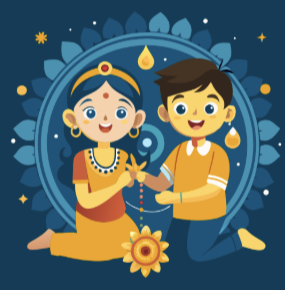 Raksha Bandhan 2026
Celebrates the bond between brothers and sisters.
festival
Raksha Bandhan 2026
religion
Hinduism
Date
28-07-2026
day
Tuesday
Muhurat time
--
Duration
--
 Festival Date
28 Jul, 2026
Raksha Bandhan
 Today Date
20 Feb, 2026
Raksha Bandhan
Time Remaining
Why we Celebrate Raksha Bandhan ?
Occurs on the full moon day of Shravana month. Raksha Bandhan celebrates the bond between brothers and sisters, symbolizing protection, love, and support. Sisters tie a protective thread (rakhi) on their brothers' wrists, and in return, brothers vow to protect them.
Important Days
Meditation and Mantras
Raksha Bandhan 2026: Dates, Celebrations & Details
Raksha Bandhan is a festival that centers on love, duty, and the sacred bond between siblings. Each year, families gather to renew this bond with prayers, rituals, and heartfelt exchanges. The year 2026 brings its own unique blend of traditional significance and modern celebrations. This article offers a detailed, accessible guide to Raksha Bandhan 2026, covering its significance, the correct date and timing, mythological origins, astrology, rituals, health and spiritual benefits, mantra chanting, contemporary adaptations, and practical tips for planning a memorable celebration.
Understanding the Significance of Raksha Bandhan 2026
The word Raksha Bandhan translates roughly as “the bond of protection.” It is a celebration that honors the protective role siblings share within families and communities. Traditionally, sisters tie a rakhi—a sacred thread or bracelet—around their brother’s wrist. In return, brothers vow to protect and support their sisters throughout life. The ritual is more than a decorative ritual; it is a ceremonial pledge that reinforces trust, responsibility, and mutual care.
In 2026, the festival preserves its core meaning while expanding to reflect contemporary life. Families separated by distance can connect through video calls, digital rakhi exchanges, and thoughtful gifts that transcend geographic barriers. The spirit remains the same: expressing gratitude, seeking protection, and celebrating a relationship built on affection and trust.
Beyond siblings, Raksha Bandhan has evolved into a broader celebration of guardianship and kindness. Many people include cousins, extended family members, neighbors, and friends who stand in a protective or supportive role in their lives. Community groups, schools, and workplaces sometimes organize Rakhi events to emphasize cultural heritage, inclusivity, and acts of service. This broader lens helps reinforce social bonds and fosters a sense of shared responsibility.
For those observing it in a secular or interfaith context, Raksha Bandhan can be a cultural moment to reflect on universal values—care, responsibility, and the safety of loved ones. The festival’s significance, therefore, extends beyond ritual performance to a yearly reminder of the social fabric that holds families and communities together.
Raksha Bandhan 2026 Date and Timing
Raksha Bandhan is traditionally observed on Shravan Purnima, the full-moon day in the Shravan month of the Hindu lunisolar calendar. Because this is a lunar-based calendar, the exact Gregorian date shifts slightly each year and can vary by locale and time zone. The festival is celebrated across India and in many diaspora communities worldwide, with slight regional variations in the timing of rituals.
What this means for 2026: In 2026, Raksha Bandhan is anchored to Shravan Purnima. The Gregorian date can differ in different regions due to lunar sighting and local panchang calculations. Families typically plan around a daytime muhurat (auspicious time) for tying rakhi, performing the puja, and exchanging gifts, though a few households may observe the rituals at slightly different times based on local customs.
Practical guidance for planning:
- Check a trusted local or regional Panchang (almanac) for the exact date in your city or country. Many Hindu calendars publish the Shravan Purnima date well in advance.
- Note the preferred ritual window (muhurta) in your family tradition. Common practice is to perform the main rakhi ceremony during late morning to early afternoon, after sunrise and before sunset.
- If you are in a different time zone or abroad, coordinate with family members to align the ceremony as closely as possible, or set up a virtual rakhi ceremony with a shared video call and synchronized prayers.
- For communities that observe more than one Raksha Bandhan event in a year (some regions celebrate additional Rakhi days for different deities or social causes), differentiate the dates clearly to avoid confusion.
In the modern era, many families also plan for after-ritual greetings and virtual exchanges. If travel or health concerns affect participation in person, a thoughtful message, a video greeting, or an electronic rakhi can carry the same emotional weight as a physical thread.
Timings can vary by region due to sunrise times, festival-specific tithis, and local customs. To ensure you perform the rituals at an auspicious moment, consult your family priest or a trusted astrologer who uses a regional panchang and follows local temple traditions.
Mythological Stories Behind Raksha Bandhan 2026
The roots of Raksha Bandhan lie in several layered myths that highlight courage, devotion, and the protective promise between siblings and friends. Readers find multiple versions across different regions, each adding a distinctive flavor while preserving the festival’s core message.
1) Draupadi and Krishna: A Sudden Shield in Time of Need
One of the most widely told origin stories for Raksha Bandhan centers on Draupadi and Krishna. According to the legend, Draupadi tied a portion of her sari or a protective thread to Krishna’s wrist after he sustained a grave injury during a battle with a demon or during a chariot clash. In gratitude for saving his life, Krishna vowed to protect Draupadi and her progeny. The band of protection extended the bond between the two, and the ritual of tying a rakhi became a symbolic pledge of safeguarding one another.
This story emphasizes the power of gratitude and the reciprocal obligation that can accompany care. It also reflects a broader social ideal: when a person is in danger or distress, those nearby may rally to provide safety and support.
2) Yama and Yami: The First Rakhi
Another popular myth traces Raksha Bandhan to the bond between Yama, the god of death, and his sister Yami. According to the legend, Yami’s affectionate insistence on tying a rakhi and her earnest wish for his long life prompted Yama to grant her protection and a guardian role for siblings. In many versions, Yama’s vow established the sacred tradition that a sister’s rakhi binds a brother with an obligation to guard and support her.
This tale reinforces the sense of responsibility that siblings carry toward one another, extending beyond simple affection to a formal pledge of protection. It also evokes themes of longevity, family care, and the enduring nature of familial ties.
3) Queen Karnavati of Mewar and Emperor Humayun: Faith, Courage, and the Call for Help
A historical legend often recounted is the story of Queen Karnavati, the widow of Rana Udai Singh II of Mewar, who sought aid from the Mughal ruler Humayun after danger threatened her kingdom. She reportedly sent a rakhi to Humayun, requesting his protection. Though the response in history is debated, the tale has become a powerful symbolic narrative about the bond between siblings of the realm and between different communities who stand in mutual defense. The story highlights the universal desire to protect vulnerable family members and the responsibilities that accompany leadership and solidarity.
4) Regional Variations and Modern Reflections
Alongside these tales, many regions add their own legends or reinterpret existing ones to reflect local gods, heroes, and historical figures. Some communities emphasize the bond between sisters and brothers in more symbolic forms, such as the protection of elders, parents, or young children. In modern times, these stories serve as a generous framework for inclusive celebrations. They remind participants that Raksha Bandhan can honor care in many forms—between siblings, between friends, and within communities that protect and nurture one another.
Vedic Astrology and Raksha Bandhan 2026
Vedic astrology (Jyotisha) offers guidance on auspicious timing, symbolic significance of celestial configurations, and the alignment of planets and stars with human affairs. For Raksha Bandhan, astrology focuses on the Shravan Purnima tithi, the lunar day, and the auspicious planetary and lunar positions that can enhance harmony, protection, and blessings in the home.
Important concepts include the nature of the tithi (lunar day), nakshatra (the lunar mansion), and planetary dispositions that influence family dynamics, safety, and interpersonal harmony. While astrology is a traditional tool used for planning, it is most beneficial when it complements practical preparation and heartfelt intention.
In 2026, astrology emphasizes the following practical considerations:
- Choosing a favorable muhurat: Families often look for a window when the Moon’s position supports peace, protection, and bonding. The choice of muhurat may be influenced by the nakshatra on Shravan Purnima and the planetary alignments for that day in a given locale.
- Respecting tithi integrity: The Raksha Bandhan ritual is aligned with the tithi (the lunar day), but local observances may adapt to sunrise, star alignments, and temple timings. Plan the main ceremony when the family members can participate without haste and distraction.
- Macroscopic blessings: Astrology may guide people to recite protective and well-being mantras, or to perform the ritual at a time that fosters calm, gratitude, and unity within the home.
Practical advice for those using astrology in planning:
- Consult a local astrologer or trusted Panchang that reflects your city’s time zone and astronomical observations.
- Remember that astrology complements intent and devotion. A sincere family ceremony, performed with care, carries meaning even if the exact muhurat differs by minutes.
- Respect family traditions: Some households prefer weekdays, weekends, or temple-based ceremonies. Align the date with what ensures the most participation and comfort for everyone involved.
Raksha Bandhan 2026: Astrological Insights
In addition to the broader Vedic framework, several astrological insights are commonly considered to enrich the festival’s significance. While these insights vary by tradition and region, the following themes are frequently discussed among practitioners:
- The full Moon (Purnima) on Shravan is viewed as a time when lunar energy is strong and emotions can be openly expressed. This supports heartfelt bonding and sincere prayers for family safety.
- Nakshatra influence: Some families look for a favorable nakshatra on Shravan Purnima—often Rohini or other benefic nakshatras—so that the Raksha Bandhan ceremony resonates with harmonious energy. If the nakshatra is challenging, they may adjust timing to maximize calm and focus.
- Planetary alignments: Benefic planetary positions, especially of the Moon and Jupiter, are considered auspicious for family blessings and protective rites. The goal is to invite positive energy into the home while avoiding distractions or discord.
Practical takeaway for astrology-minded readers:
- Use a reliable Panchang to determine the best muhurat for your family. If you are traveling or away from home, coordinate with your relatives so that the spiritual intention remains intact even if the ceremony is conducted remotely.
- Pair astrological considerations with practical health and safety measures. A calm environment, clear air, and comfortable surroundings enhance the meditation-like focus many families bring to Raksha Bandhan rituals.
Rituals and Practices of Raksha Bandhan 2026
Rituals anchor Raksha Bandhan in a meaningful sequence of actions that celebrate care, protection, and gratitude. While regional variations abound, the core practices remain widely shared. A typical Raksha Bandhan ceremony follows these steps:
- Preparations: Clean the house, lay out a clean thali (plate) with a rakhi thread, roli (red vermilion powder), chawal (rice grains), diya (oil lamp), sweets, a small gift, and a folded piece of cloth for a symbolic exchange.
- Tilak and Rakhi: Sisters apply a small tilak on their brother’s forehead and then tie the rakhi around his wrist. This is a moment of shared emotion, memory, and hope for protection.
- Acknowledging the vow: Brothers respond with a pledge to protect and support their sisters, and to stand by them in times of need. The pledge is often spoken aloud or silently affirmed in the heart.
- Aarti and Blessings: Families may perform a simple aarti (a circular devotion with light and incense) around the siblings to invite blessings into the home.
- Tilak and Prasad: The sister applies a tilak and offers tilak with rice to her brother. The brother offers a sweet or a small token of appreciation in return, often placing a small gift or money in the sister’s hands.
- Gifts and Siblings’ Bonding: Exchanging gifts is common. The gift can be as simple as a handwritten letter, a piece of jewelry, a favorite snack, or a planned family outing.
- Long-distance Rakhi: For those far away, e-rakhis or video calls are widely embraced. Some families coordinate a simultaneous online ritual where siblings tie virtual rakhi or recite a personal pledge together.
- Community and Charity: Many households use the day to engage in acts of service, donate to the needy, or help neighbors, turning the festival into a moment of shared generosity.
Practical tips to enhance rituals:
- Personalize the rakhi: Some families create handmade rakhi threads or choose designs that reflect the sister’s or brother’s personality, making the ritual more meaningful.
- Mindful meals: Prepare a simple, balanced meal for the day. Include traditional sweets like laddoos or barfi while also offering a favorite healthy snack to honor dietary preferences.
- Inclusivity: Invite younger siblings, grandparents, aunts, uncles, and close family friends to participate. The ritual is more powerful when it becomes a shared family moment.
- Environment: Keep the ceremony calm. Dim lights, a small lamp, or a simple aarti can create a sacred atmosphere that enhances focus and devotion.
Health and Spiritual Benefits of Raksha Bandhan Rituals
While Raksha Bandhan is primarily a cultural and spiritual celebration, it also offers tangible health and emotional benefits. The rituals can support mental well-being, strengthen social bonds, and foster a sense of safety and belonging.
- Emotional bonding: The act of tying the rakhi and exchanging vows can reduce feelings of loneliness and isolation. The ritual fosters a sense of being seen, protected, and valued.
- Stress reduction: Family connections often release oxytocin and other feel-good hormones, contributing to reduced stress and improved mood.
- Social support: The festival strengthens family networks that can provide practical and emotional support in daily life and during life transitions.
- Mindful practice: The ritual encourages mindfulness—slowing down, reflecting on ties, and offering gratitude—which can improve focus and emotional regulation.
- Spiritual renewal: The prayers, chants, and blessings reinforce a sense of purpose and moral values, supporting inner peace and spiritual resilience.
Health considerations for 2026:
- Food safety and dietary needs: If sweets are included, offer options that align with dietary restrictions or health goals (e.g., reduced sugar, nuts that are safe for family members with allergies).
- Inclusive rituals: For elders or family members with mobility challenges, arrange seating and a simplified ritual that preserves dignity and participation.
- Stress-free planning: Avoid rushing the ceremony. A calm, well-paced ritual reduces anxiety and enhances the sacred mood of the day.
Mantra Chanting During Raksha Bandhan 2026
Chanting and prayer are integral to many Raksha Bandhan celebrations. Mantras create a focused, sacred atmosphere and invite blessings for protection, harmony, and well-being. Because traditions vary by family and region, you can adapt the practice to what feels authentic for you.
Practical guidance for mantra chanting:
- Keep chants simple and short if you are new to mantra practice. A brief phrase repeated several times can be powerful.
- Choose mantras that promote protection, happiness, and well-being. You can combine a few short invocations to cover multiple intentions.
- Support the ritual with breath awareness. Slow, deep breaths help center the mind and deepen the sense of connection with loved ones.
- Invite personal prayers. If you have a personal or family prayer, recite it with sincerity and spoken intent.
Sample mantra options (illustrative; adapt to your tradition or family preference):
- Simple protective invocation (Sanskrit transliteration): Om Raksha Kavacha Namah — a concise blessing requesting protection and safety.
- Universal well-being (Sanskrit transliteration): Om Lokah Samastah Sukhino Bhavantu — May all beings be happy and free from suffering.
- Peace and harmony: Om Shanti Shanti Shanti — A call for inner and outer peace.
- Personal blessing (English): May you be safe, protected, and cherished always. — A direct, heartfelt alternative that many families appreciate.
Note: The specific mantras you use should reflect your family’s tradition. If you consult a priest or elder in your family, they can provide regionally authentic and personally meaningful phrases. The most important aspect is the intention behind the chant: a sincere wish for protection, bonding, and well-being.
Raksha Bandhan 2026 in Modern Times
Modern life brings new ways to celebrate Raksha Bandhan while preserving its core meaning. The festival remains a favorite among families, but digital technologies and evolving social norms have broadened how it is observed.
Key modern trends include:
- Distance bridging through technology: Video calls, online rakhi exchanges, and virtual celebrations let siblings separated by miles stay emotionally connected. Some families coordinate multi-location ceremonies so everyone can participate synchronously.
- E-rakhis and digital gifts: Electronic rakhis, QR-coded threads, and virtual gift cards appeal to younger generations and to single-person households who want a meaningful gesture without shipping delays.
- Social media and public pledges: Sharing photos, short videos, or heartfelt messages has turned Raksha Bandhan into a public expression of gratitude and care. Hashtags and community posts amplify the sense of shared celebration.
- Sustainable and mindful practices: Many families choose eco-friendly rakhi materials and reduce waste by reusing elements of the ceremony. There is growing awareness of the environmental impact of festival packaging and sweets, leading to greener choices.
- Inclusive and multi-faith adaptations: In diverse households, Raksha Bandhan is celebrated with respect for different faiths and customs. Interfaith families may host inclusive rituals that honor multiple spiritual traditions while keeping the core intent intact.
Practical ideas for modern celebrations:
- Plan a hybrid celebration: Involve relatives who are physically together and those who join via video. Co-create a shared ritual script that works for everyone.
- Rakhi ideas for all ages: Design kid-friendly rakhi crafts, personal notes, or photo rakhi that reflect family memories.
- Gift planning: Instead of generic gifts, curate thoughtful, meaningful items such as a book, a care package, or a collaborative family project (like a memory journal or a video compilation).
- Health and comfort: If you’re hosting a gathering, ensure comfortable seating, accessible spaces, and options for those with dietary restrictions.
Despite the modern twists, the essence remains the same: the celebration of bonds and the pledge to protect and support one another. Raksha Bandhan in 2026 can be both rooted in tradition and enriched by contemporary connections, making it a vibrant, inclusive, and meaningful festival for families around the world.
Conclusion
Raksha Bandhan 2026 offers a beautiful blend of timeless tradition and modern living. Its significance remains anchored in the sacred bond between siblings and loved ones, while its rituals adapt to the realities of today’s families. Whether you observe the festival with a classic in-person ceremony or a thoughtful virtual gathering, the core message endures: care, protection, and gratitude for those who stand by us.
By understanding the festival’s significance, respecting the date and timing, exploring mythological origins, embracing Vedic astrology with practical discernment, practicing meaningful rituals, and embracing modern expressions of connection, you can create a Raksha Bandhan that resonates with your family’s values and aspirations.
As you prepare for Raksha Bandhan 2026, remember these guiding ideas:
- Choose authenticity over perfection. A heartfelt note, a warm hug, or a simple ritual performed with care often means more than elaborate arrangements.
- Include everyone who feels like family. Extend the circle to elders, cousins, friends, neighbors, and helpers who contribute to your sense of safety and belonging.
- Balance tradition with health, sustainability, and inclusivity. Respect dietary needs, environmental concerns, and cultural diversity within your circle.
- Make it memorable with personal rituals. Create a handshake, a family vow, or a shared pledge that reflects your current values and aspirations for the future.
Raksha Bandhan 2026 can be a radiant celebration of both ancient wisdom and contemporary love. When you honor the ritual, tell the stories, chant the mantras that feel right to you, and share in the sense of protection and care, you gift more than a moment—you gift a lasting memory and a strengthened bond.
Charity and Donations
Joy Stories Foundations
Joy Story Foundation is a section-8, non-profit organization founded in November 2019, registered with Ministry of Corporate Affairs, Government of India. It aspires to build stories around “Joy for Everyone” by practicing the values of collective philanthropy and by maintaining utmost transparency in order to achieve it. Our vision is to ensure that we do our bit to free the world of gloom, sorrow, deprivation, pessimism, and pain by inducing small positive moments to bring joy in the world. And we would go to any extent to achieve that, irrespective of geographical boundaries, religion, age, color or need. Our giving would be completely unbiased, non- religious and non-political.
 Donation Links
https://joystoryfoundation.org/Upcoming Festivals

Skanda Shashti February 2026
Dedicated to Lord Murugan (Subrahmanya), son of Lord Shiva

Masik Karthigai February 2026
Devotees light lamps in homes and temples, particularly in front of Lord Murugan’s shrines, to seek… Read more

Masik Durgashtami February 2026
Devotees fast and offer prayers to Goddess Durga, seeking her protection and strength. It is a month… Read more

Phalguna Ashtahnika Begins 2026
Phalguna Ashtahnika marks an important eight-day Jain festival that emphasizes devotion, austerity… Read more


 Download App