
National Youth Day 2026: Festival Details, Schedule & Events

 Home
Home DKSCORE AI
 National Youth Day 2026
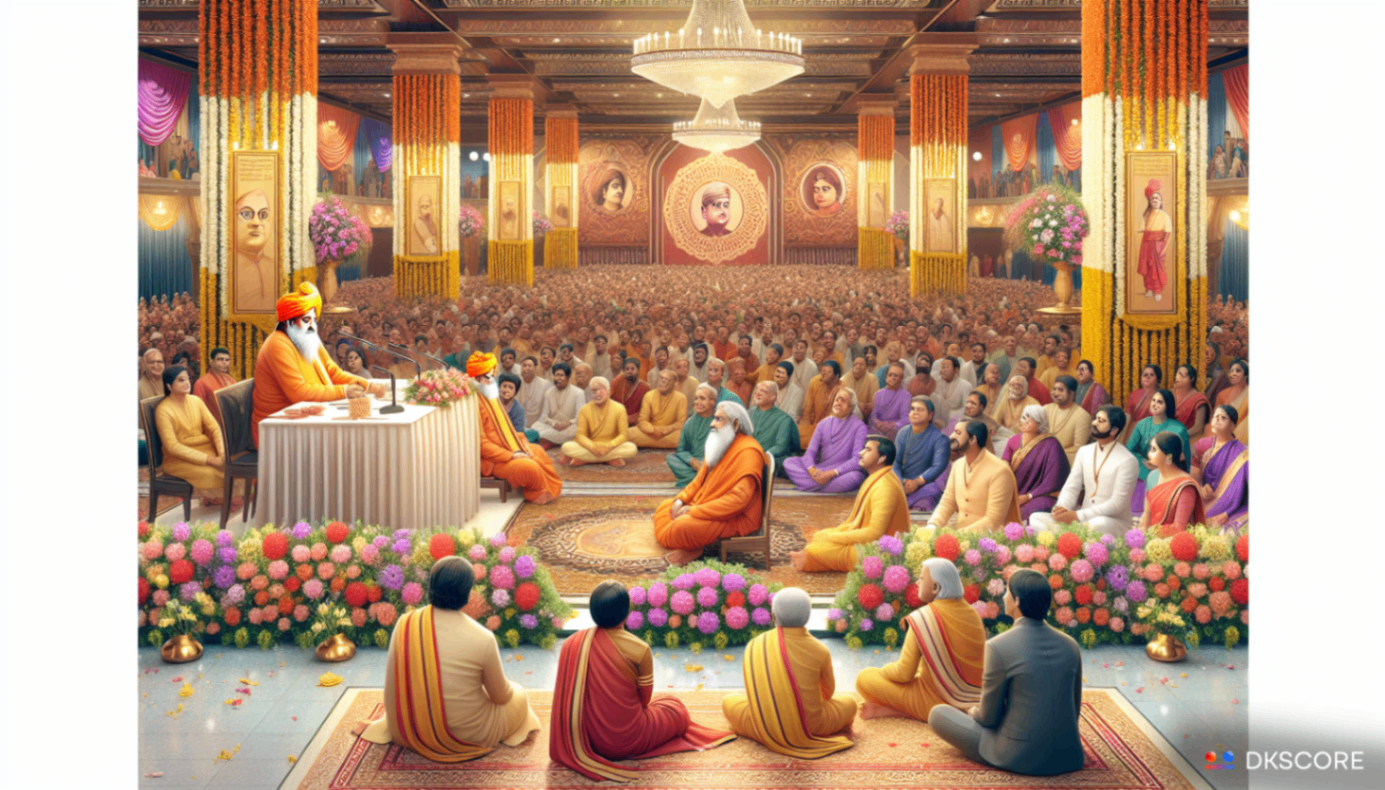
National Youth Day is observed every year on January 12th, marking the birthday of Swami Vivekananda. It aims to inspire the youth to follow his principles of education, strength, and spirituality, contributing to personal and societal growth.
festival
National Youth Day 2026
religion
Others
Date
12-01-2026
day
Monday
Muhurat time
--
Duration
--
 Festival Date
12 Jan, 2026
National Youth Day
 Today Date
07 Jan, 2026
National Youth Day
Time Remaining
Why we Celebrate National Youth Day ?
National Youth Day is celebrated to honor the birth anniversary of Swami Vivekananda, whose teachings and philosophies have inspired generations. This day is linked to intellectual and spiritual growth, symbolizing youthful energy and leadership, aligning with strong Mars energy in Vedic astrology, as Mars represents courage and dynamism.
Important Days
Meditation and Mantras
National Youth Day 2026: Festival Details, Schedule & Events
National Youth Day is a India’s annual occasion dedicated to honoring Swami Vivekananda’s empowering message for young people. In 2026, the festival continues to blend tradition with contemporary approaches, inviting youth to lead with integrity, service, and learning. This article takes you through the significance, dates, mythological roots, astrological reflections, rituals, health and spiritual benefits, mantra practices, and how the day plays out in modern times.
Understanding the Significance of festival National Youth Day 2026
National Youth Day (NYD) is celebrated every year on January 12 in India. It commemorates the birthday of Swami Vivekananda, a philosopher, teacher, and reformer whose work focused on the upliftment of young minds. The day is not only about rituals; it is a call to action for young people to shape a just, inclusive, and prosperous society. Vivekananda believed that youth have the power to transform nations with courage, compassion, discipline, and knowledge. The 2026 edition keeps this core idea alive while incorporating new avenues for learning, leadership, and service.
Beyond a ceremonial day, NYD is a window into how India views youth development. Governments, schools, universities, non-profits, and institutions organize workshops, seminars, competitions, and service activities. The aim is to foster critical thinking, skill-building, civic responsibility, and mental resilience. In practical terms, this means youth are encouraged to pursue higher education, entrepreneurship, community service, and healthy living. The festival also highlights issues that matter to young people today—digital literacy, climate action, gender equality, and inclusive workplaces.
National Youth Day 2026 Date and Timing
National Youth Day is observed on January 12 each year. In 2026, January 12 falls on a Monday, which makes it feasible for schools and colleges to incorporate a full-day program or a weekend-style celebration in surrounding days. The date itself honors Swami Vivekananda’s birthday, a figure whose life is a study in discipline, learning, and service.
Typical scheduling patterns for NYD programs include:
- Flag hoisting and a formal pledge in the morning at many schools and local government venues.
- In the late morning or early afternoon, seminars, youth talks, and panel discussions focused on leadership, civic engagement, and skill development.
- Afternoon cultural programs, including speeches, student presentations, and performances that reflect Vivekananda’s message of energy, courage, and service.
- Evening community service activities such as blood donation drives, environmental cleanups, or volunteering for local causes.
For organizers, the timing often centers around school hours, with parallel events in colleges, youth clubs, and community centers. Virtual programs and live streams are common in 2026, enabling participation from students who are learning remotely or who live far from major urban centers.
Mythological Stories Behind National Youth Day 2026
The mythic resonance of NYD comes from Swami Vivekananda’s life, which reads like a modern parable for youth empowerment. Several stories are shared to illustrate the qualities Vivekananda embodies and to inspire students to follow a path of learning and service.
The Spark of Curiosity: Vivekananda’s Early Years
Vivekananda was born Narendra Nath Datta in 1863 in Kolkata. From a young age, he showed a restless curiosity about science, philosophy, and social issues. He sought knowledge not for prestige but to understand the world and to help people improve their lives. This early curiosity is echoed in NYD’s emphasis on inquiry, critical thinking, and lifelong learning. The narrative encourages youth to ask questions, explore diverse ideas, and cultivate a spirit of discovery.
The Turning Point: Guidance from Ramakrishna
A defining chapter in Vivekananda’s life was his meeting with the mystic monk Sri Ramakrishna. This encounter reframed his purpose from personal ambition to universal service. The lesson for young people is clear: mentorship, humility, and a willingness to transform one’s own life can amplify one’s impact on others. The mentorship model remains relevant in schools and community programs that pair experienced mentors with young learners.
Voice for Youth: The Call to Arise, Awake
One of Vivekananda’s most enduring messages is the exhortation to “arise, awake, and stop not till the goal is reached.” In mythic form, this line is presented as a beacon for youth facing challenges—academic stress, social pressures, or uncertainty about the future. The story invites young people to convert fear into action, to persevere through setbacks, and to channel energy into constructive service.
Vedic Astrology and National Youth Day 2026
Astrology, in the Vedic tradition, is viewed as a symbolic aid that can offer guidance rather than certainty. For NYD 2026, several astrologically themed perspectives are commonly discussed by enthusiasts and practitioners alike. These perspectives are best understood as cultural reflections that connect people to a sense of timing, intention, and alignment with nature.
In astronomical terms, January 12 typically sits within the Sun’s transit in Capricorn (Makara Rasi in many Hindu calendars). Capricorn is associated with discipline, responsibility, and perseverance—qualities that align well with Vivekananda’s ideals and the day’s focus on youth leadership. Some traditions also look at the lunar phase around this date, which can influence emotional readiness and social interactions. In 2026, the lunar cycle around January 12 may be a full moon or near-full, depending on the year’s alignment, which practitioners say can heighten communal feelings and generosity.
It is important to note that astrology is a cultural framework rather than a scientific forecast. Many families and organizations at NYD reference these ideas to set intentions, choose auspicious times for ceremonies, or guide meditation and mantra practices. You can think of astrology as a symbolic language that helps people reflect on timing, energy, and the quality of attention they bring to the day.
National Youth Day 2026: Astrological Insights
Astrological insights for NYD 2026 can be framed around three themes: timing, inner focus, and social resonance. Here are some perspectives that people often consider when they discuss astrology in the context of this festival:
- Timing: The Makara (Capricorn) sun phase suggests a time of disciplined action. It encourages setting concrete goals—education, skill-building, or a volunteer project—and committing to steady progress.
- Inner Focus: The season can emphasize quiet reflection amid activity. Young people may benefit from short periods of meditation or journaling to clarify their priorities and energy levels.
- Social Resonance: The energy of the crowd around NYD can be uplifting if channeled into constructive action. Group activities, service initiatives, and collaborative learning align well with the social vitality associated with youth.
Practical takeaway: while astrology offers symbolic guidance, the real impact comes from practical steps—participating in programs, building new skills, mentoring others, and engaging in service. A balanced approach uses both intention-setting and action.
Rituals and Practices of National Youth Day 2026
Rituals for NYD blend tradition with contemporary practices. They center on honoring Vivekananda’s legacy while promoting youth development, leadership, and service. Here are some common rituals and activities you might encounter on or around January 12, 2026:
- Flag hoisting and national pledges in schools, colleges, and government offices to instill patriotism and civic responsibility.
- Public lectures, panel discussions, and student-led seminars on topics such as leadership, entrepreneurship, social impact, climate action, and digital literacy.
- Essay, poster, and debate competitions that explore Vivekananda’s philosophy and its relevance to modern youth challenges.
- Skill-building workshops, including coding bootcamps, maker-space sessions, and language or communication trainings.
- Volunteer drives and community service projects (blood donation, tree planting, cleanliness drives, and meals for the underprivileged).
- Cultural programs—poetry recitals, plays, music, and dance—highlighting messages of courage, compassion, and service.
- Reading sessions and library drives that promote lifelong learning and access to knowledge for all.
- Youth leadership forums where students present action plans to tackle local issues, with opportunities for mentorship and seed funding.
In many places, NYD is a multi-day affair. Schools and local governments coordinate calendars so that city-wide or district-wide programs occur in the days surrounding January 12. Digital campaigns, webinars, and online competitions extend participation to remote learners and diaspora communities.
Health and Spiritual Benefits of National Youth Day 2026 Rituals
The rituals surrounding NYD offer multiple health and spiritual benefits. On the health side, structured activities encourage physical movement, regular sleep patterns, and better stress management. Cleanliness drives and community service foster a sense of purpose that supports mental well-being. When young people engage in volunteer work, they often experience a boost in mood and self-esteem, a phenomenon supported by social psychology research on prosocial behavior.
Spiritually, the day invites contemplation on values such as courage, compassion, and service. Simple practices—such as donating time, sharing meals, or helping a neighbor—can cultivate inner peace and a sense of belonging. For some families, a short meditation or reflection session after morning events helps translate high energy into focused, compassionate action. The spiritual dimension is not about dogma; it is about aligning personal energy with constructive service to others and to the community.
Mantra Chanting During National Youth Day 2026
Mantra chanting is a common practice in many NYD programs. It helps calm the mind, set a positive tone, and cultivate focus. Below are some widely used mantras, along with simple guidance on pronunciation and intended effects. If you are new to mantra practice, start with short sessions and gradually increase duration as comfort grows.
Gayatri Mantra
Om Bhur Bhuvaḥ Swaḥ Tat Savitur Varenyam Bhargo Devasya Dhimahi Dhiyo Yonah Prachodayat
Pronunciation tip: Break the mantra into small, even syllables. Maintain a steady rhythm and breathe softly between lines. The Gayatri mantra is traditionally recited for wisdom and clarity, making it a fitting choice for students and learners.
Mahamrityunjaya Mantra (for healing and strength)
Om Tryambakam Yajamahe Sugandhim Pusat↑tivardhanam Urvarookamiva Bandhanan Mrityor Mukshiya Maamritat
Pronunciation tip: This is a longer chant. Practitioners often repeat it three to nine times, focusing on breath and the sense of release. It is popularly used for healing, resilience, and safety during stressful times.
Saraswati Vandana (for learning and wisdom)
May Saraswati, the goddess of knowledge, bless us with wisdom, clarity, and the joy of learning. A short invocation can be chanted at the start of a study session or a workshop.
Practical guidance for mantra practice on NYD: start with a few minutes of quiet breathing, choose one or two chants, and recite them with intention. If possible, practice in a clean, quiet space or during a designated quiet time in a school or community center. Always respect individual beliefs and invite voluntary participation.
National Youth Day 2026 in Modern Times
In recent years, NYD has evolved with technology and social change. The modern edition emphasizes digital literacy, youth leadership, and inclusive participation. Here are some contemporary trends you might observe in 2026:
- Digital campaigns and online learning portals that offer free courses, webinars, and mentorship matching for urban and rural youth alike.
- National and regional youth festivals, both in-person and virtual, to widen access and include students from different backgrounds.
- Collaboration with universities, corporate sponsors, and non-governmental organizations to fund scholarships, hackathons, and community development projects.
- Focus on mental health resources, with school counselors and helplines promoted during NYD campaigns.
- Volunteer corps and service initiatives connected to broader national programs—education access, healthcare awareness, environmental conservation, and disaster readiness.
- Inclusive programs that encourage girls and young women to participate in leadership roles, science, technology, engineering, arts, and mathematics (STEAM).
For communities and educators, modern NYD involves a mix of face-to-face gatherings and online engagement. This hybrid approach expands reach while maintaining the personal feeling of a shared national celebration. It also allows youth across diverse regions to share ideas, showcase projects, and build networks that last beyond a single day.
Conclusion
National Youth Day 2026 remains a powerful symbol of youth energy, aspiration, and responsibility. By honoring Swami Vivekananda’s legacy, the festival invites the next generation to imagine and create a better world through learning, service, and leadership. The day blends ancient wisdom with modern tools—mythic stories that inspire courage, astrological reflections that offer a framework for intention, practical rituals that cultivate discipline, and contemporary initiatives that promote digital literacy and social impact.
Whether you are a student, educator, parent, or community organizer, NYD 2026 offers a structure for meaningful participation. It encourages action—small and large—that compounds over time into personal growth and collective progress. The enduring message is simple yet transformative: empower your mind, serve your community, and pursue knowledge with integrity. If you take away one idea from this festival, let it be this: youth have the power to shape a future that is inclusive, compassionate, and courageous. The world needs your energy, your ideas, and your commitment to learning and service.
Charity and Donations
Joy Stories Foundations
Joy Story Foundation is a section-8, non-profit organization founded in November 2019, registered with Ministry of Corporate Affairs, Government of India. It aspires to build stories around “Joy for Everyone” by practicing the values of collective philanthropy and by maintaining utmost transparency in order to achieve it. Our vision is to ensure that we do our bit to free the world of gloom, sorrow, deprivation, pessimism, and pain by inducing small positive moments to bring joy in the world. And we would go to any extent to achieve that, irrespective of geographical boundaries, religion, age, color or need. Our giving would be completely unbiased, non- religious and non-political.
 Donation Links
https://joystoryfoundation.org/Upcoming Festivals

Masik Kalashtami January 2026
Dedicated to Lord Bhairava, observed on the eighth day of the dark half of every lunar month

Masik Krishna Janmashtami January 2026
Masik Krishna Janmashtami is celebrated by fasting, chanting Krishna mantras, and performing puja to… Read more
Swami Vivekananda Jayanti 2026
Commemorates the birth anniversary of Swami Vivekananda

Bhogi Pandigai 2026
On Bhogi Pandigai, people discard old possessions and light bonfires to symbolize the removal of neg… Read more

Lohri 2026
A harvest festival celebrated primarily in Punjab
Related Video
Have doubts and need help?
Check out our Frequently Asked Questions to find the answers. But hey, if your doubts still persist, we are only a demo call away!
Frequently Asked Questions
Do's: 1) Arrive on time and carry a valid ID; 2) Follow the event's dress code and venue guidelines; 3) Respect speakers, staff, and fellow attendees; 4) Keep noise to a minimum and switch devices to silent mode; 5) Use designated areas for photography if allowed; 6) Dispose of waste properly and keep the venue clean; 7) Follow safety instructions and emergency procedures. Don'ts: 1) Bring prohibited items (weapons, drugs, alcohol) or large bags where restricted; 2) Disrupt sessions, security checks, or crowd management; 3) Block exits or emergency routes; 4) Litter or misuse facilities; 5) Post unverified or sensitive information about participants on social media; 6) Ignore staff instructions or safety guidelines.
Remedies (practical steps) to observe National Youth Day 2026: organize or join youth mentorship and skill-building sessions; conduct community service activities (education drives, health camps, volunteer initiatives); promote youth-led projects in entrepreneurship, digital literacy, and civic engagement; share Swami Vivekananda's ideas through discussions to inspire young people; encourage healthy living, mindfulness, and inclusive participation. Benefits of observing National Youth Day 2026: fosters personal growth, confidence, and leadership in youth; strengthens community bonds and national pride; raises awareness about youth issues and resources for education, careers, and health; promotes voluntary service, civic responsibility, and social impact; aligns youth efforts with empowerment and national development.
National Youth Day 2026 is celebrated to honor Jawaharlal Nehru's birthday and his lifelong emphasis on youth development. Instituted by the Government of India in 1985, the day—observed on January 12 each year—recognizes the vital role young people play in shaping the nation's future. It promotes education, health, skill development, entrepreneurship, and civic participation, and provides a platform for youth voices and programs that empower the next generation to contribute to national progress.

 Download App